
Knee pain can appear suddenly after exercise, long walks, standing too much, or even from sitting for hours.
The good news is that many cases of knee pain improve quickly with simple home treatments.
In this guide, you’ll learn the fastest ways to relieve knee pain at home, what actually works, and when you should seek medical attention.
What Causes Knee Pain?
Knee pain is extremely common and can happen for many reasons:
- overuse
- inflammation
- muscle tightness
- arthritis
- poor movement patterns
- minor injuries
Sometimes the pain comes from the knee itself.
Other times, the surrounding muscles and joints are the real issue.
If you’re unsure where your pain is coming from, read:
Read also: Knee Pain Location Chart: What Your Pain Means
1. Use Cold Therapy for Fast Relief
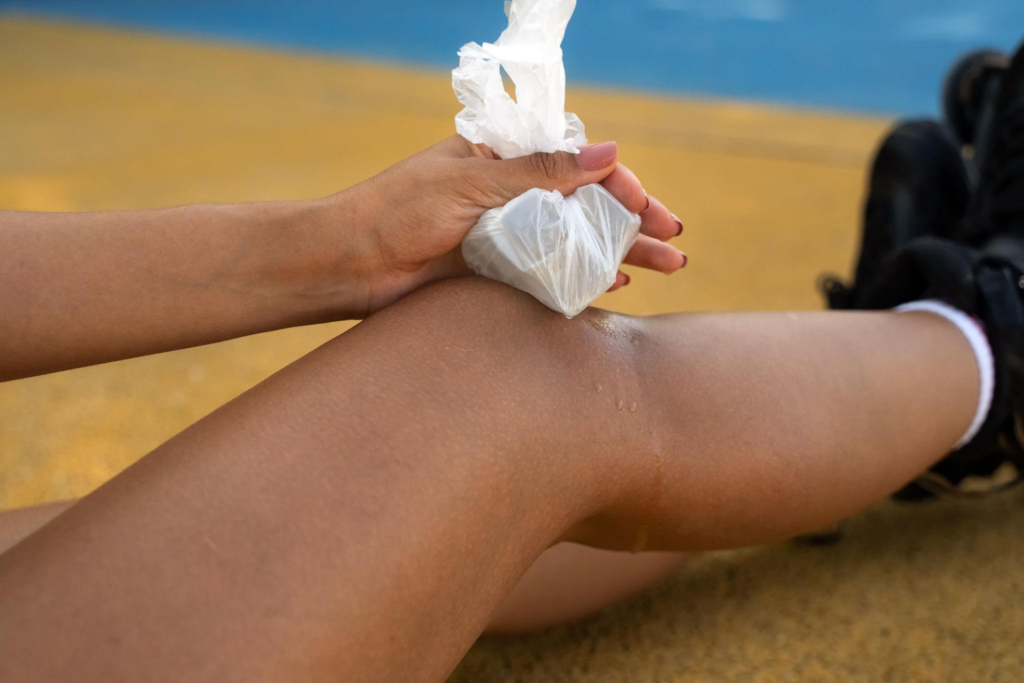
If your knee feels swollen, warm, or inflamed, ice is usually the fastest solution.
Cold therapy helps:
- reduce swelling
- numb pain
- calm inflammation
How to use it correctly
- Apply ice for 15 to 20 minutes
- Repeat every few hours
- Never place ice directly on skin
A reusable gel wrap usually works better than loose ice because it molds around the knee.
Read also: Knee Pain Treatment: What Actually Helps?
2. Compress the Knee
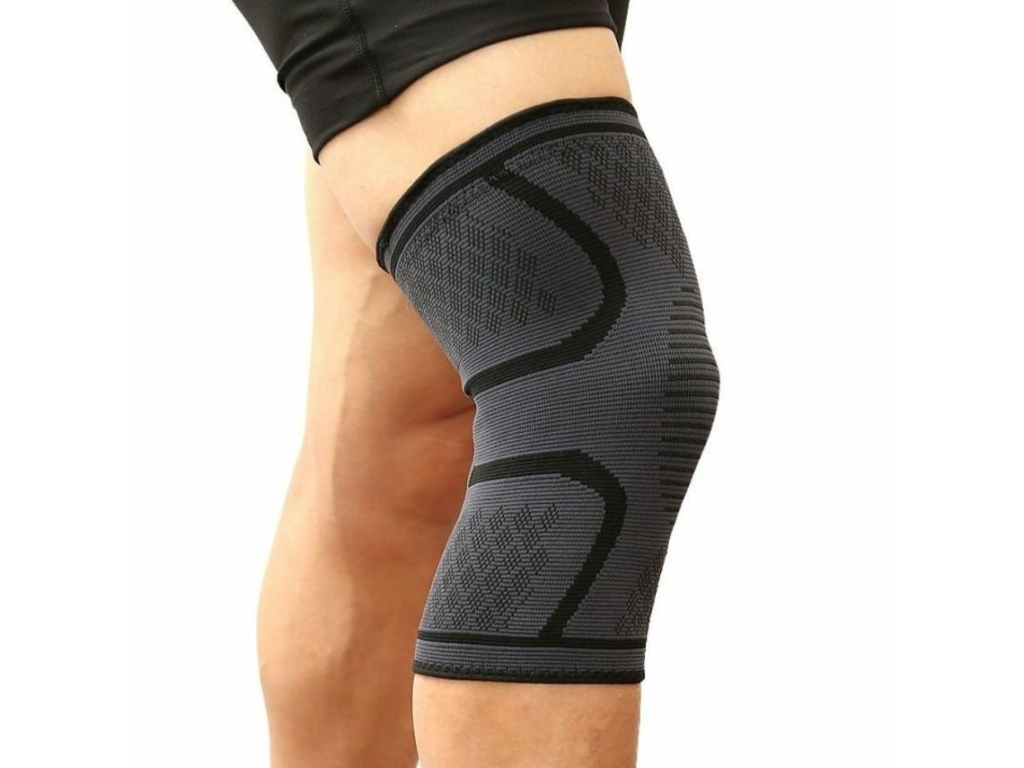
Compression provides support and reduces stress on the joint.
A simple compression sleeve can:
- improve stability
- reduce discomfort during movement
- help swelling
This is especially useful if:
- your knee feels weak
- pain increases while walking
- you stand for long periods
Avoid braces that are too tight, as they can restrict circulation.
3. Elevate Your Leg
One of the most overlooked methods is also one of the simplest.
Elevating the leg helps fluid drain away from the knee.
Best method
- Lie down
- Raise your leg above heart level
- Keep it elevated for 15 to 30 minutes
This works particularly well when combined with ice.
4. Use Heat for Stiffness
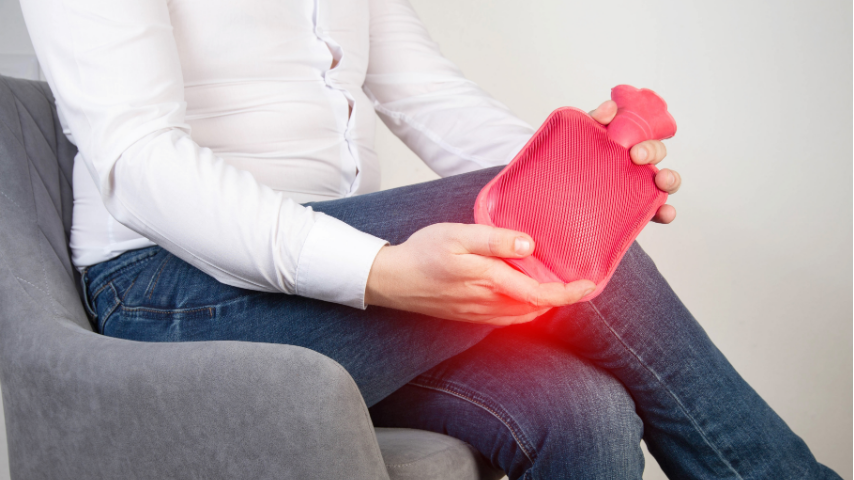
Not all knee pain should be iced.
If your knee feels:
- stiff
- tight
- achy without swelling
Heat may work better.
Heat therapy improves blood flow and relaxes surrounding muscles.
Good options
- heating pads
- warm towels
- hot water bottles
Use heat for about 15 to 20 minutes.
Read also: Ice vs Heat for Knee Pain: What Works Best?
5. Try Gentle Knee Mobility Exercises
Rest is important initially, but too much rest can make knee pain worse.
Gentle movement helps:
- reduce stiffness
- improve circulation
- strengthen supporting muscles
Simple exercises to start with
- straight leg raises
- hamstring stretches
- quad stretches
- seated knee extensions
Avoid high-impact movements if pain is sharp.
For a full routine, check:
Read also: Top Exercises for Knee Pain (Backed by Experts)
6. Reduce Activities That Irritate the Knee
Some activities can keep inflammation active without you realizing it.
Temporarily reduce:
- running
- jumping
- deep squats
- excessive stairs
That doesn’t mean complete inactivity.
The goal is reducing irritation while maintaining gentle movement.
7. Use Topical Pain Relief Products
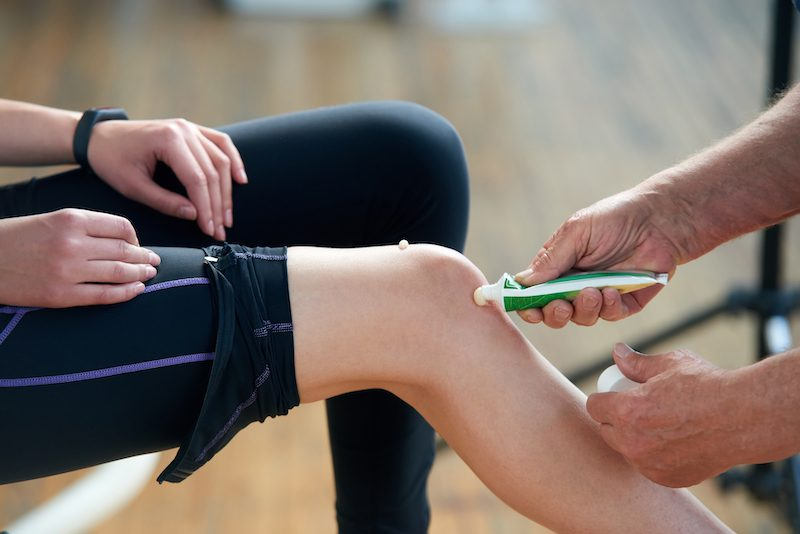
Pain relief creams and gels can help quickly, especially for mild to moderate discomfort.
Common ingredients include:
- menthol
- capsaicin
- anti-inflammatory compounds
These products are useful for:
- temporary pain reduction
- nighttime discomfort
- post-exercise soreness
What Usually Works Fastest?
The fastest relief often comes from combining methods.
Example:
- Ice + elevation for swelling
- Compression + mobility for support
- Heat + stretching for stiffness
Most people improve faster when they stop relying on only one solution.
Common Mistakes That Slow Recovery
Many people accidentally prolong knee pain.
Avoid these mistakes
- using heat on swollen knees
- staying inactive too long
- returning to exercise too early
- ignoring recurring pain
Small adjustments can dramatically improve recovery speed.
When Should You See a Doctor?
Home treatment works for many cases, but some symptoms require medical evaluation.
Seek medical attention if:
- pain is severe
- swelling is extreme
- you cannot bear weight
- the knee locks or gives out
- symptoms last several weeks
Read next:
Read also: When Should You See a Doctor for Knee Pain?
Final Thoughts
The fastest way to relieve knee pain at home depends on the cause of the pain.
But in most cases, these strategies help significantly:
- cold therapy
- compression
- elevation
- gentle movement
- reducing irritation
Start simple and stay consistent.
Even small improvements can make daily movement feel dramatically better.