Knee pain affects millions of people every year and can range from mild discomfort to severe pain that interferes with walking, exercise, work, and sleep. Because the knee is one of the most heavily used joints in the body, even small problems can quickly become frustrating if they are not properly managed.
The challenge is that there is no single treatment that works for every type of knee pain. Some cases improve with simple home remedies and movement adjustments, while others may require physical therapy, supportive braces, medication, or professional medical care.
The good news is that many effective knee pain treatments are available. Understanding what actually helps and when to use each approach can make recovery faster and prevent symptoms from becoming chronic.
Also read: Common Knee Pain Symptoms You Should Not Ignore
What Causes Knee Pain?
Knee pain can develop from many different causes, including:
- overuse
- arthritis
- inflammation
- tendon irritation
- muscle tightness
- sports injuries
- excess stress on the joint
Some people experience temporary pain after physical activity, while others develop chronic symptoms over time.
Read also: Knee Pain: Causes, Symptoms, and Treatment Options
Rest and Activity Modification
One of the first steps in knee pain treatment is reducing activities that aggravate the joint.
This may include temporarily limiting:
- running
- jumping
- deep squats
- repetitive stair climbing
Rest can help calm inflammation, but complete inactivity for long periods is usually not ideal. Gentle movement often supports recovery better than prolonged immobilization.
Cold Therapy for Swelling
Cold therapy is commonly used for:
- swelling
- inflammation
- recent injuries
- pain flare-ups
Ice may help:
- numb discomfort
- reduce swelling
- calm irritated tissues
Most people benefit from:
- 15 to 20 minute sessions
- several applications per day if needed
Read also: Ice vs Heat for Knee Pain: What Works Best?
Heat Therapy for Stiffness
Heat is often better for:
- stiffness
- chronic discomfort
- arthritis symptoms
- muscle tightness
It may help:
- improve circulation
- relax muscles
- increase flexibility
- improve comfort before exercise
Heating pads and warm compresses are common options.
Exercise and Physical Therapy
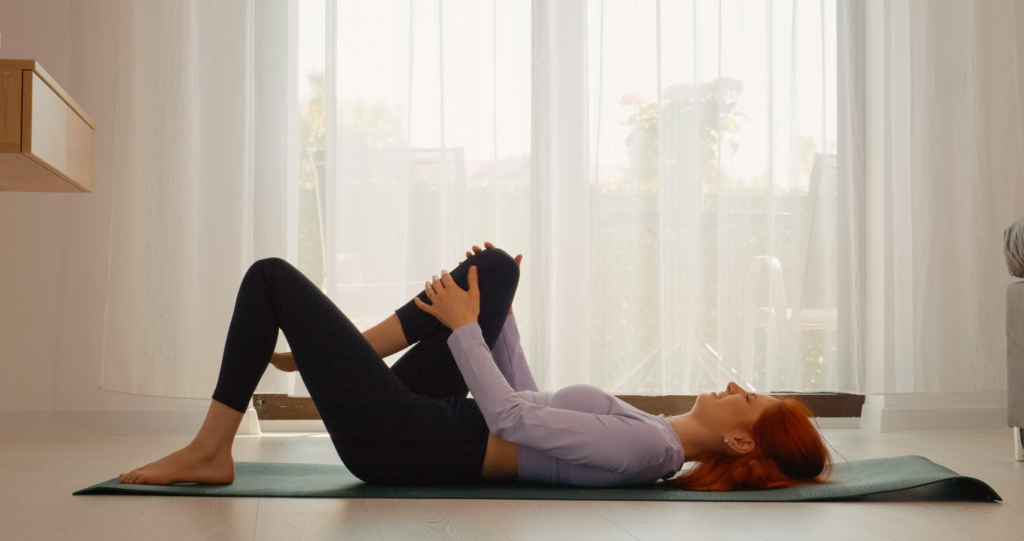
Exercise is one of the most effective long-term knee pain treatments when performed correctly.
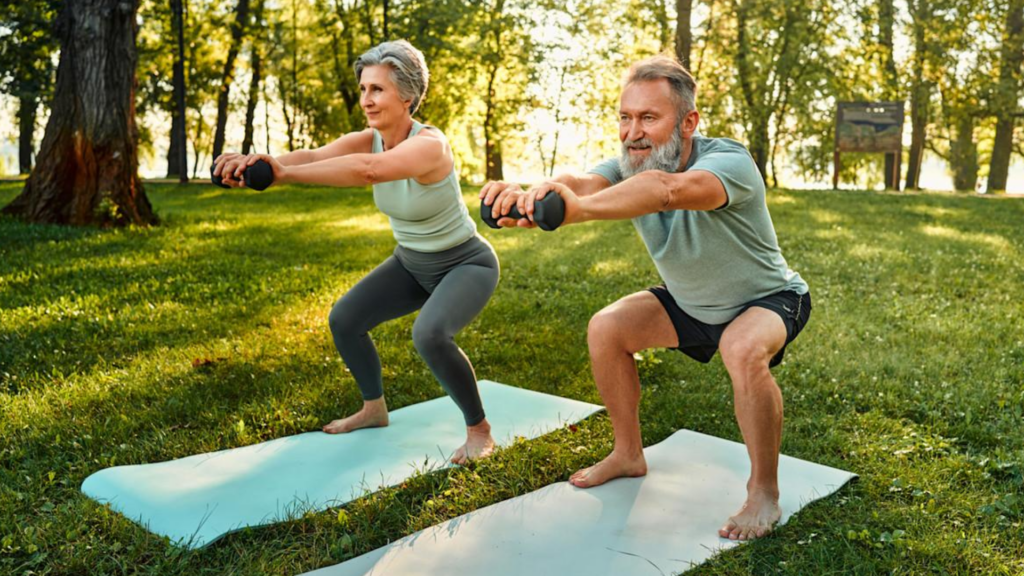
Proper movement may help:
- strengthen muscles around the knee
- improve stability
- reduce stiffness
- support joint function
- improve mobility
Helpful approaches often include:
- stretching
- strengthening exercises
- balance training
- low-impact cardio
- mobility work
Read also: Top Exercises for Knee Pain (Backed by Experts)
Knee Braces and Compression Support
Knee braces and compression sleeves may help:
- improve support
- reduce discomfort
- increase stability
- improve confidence during movement
Different brace styles are designed for different situations, including sports support, arthritis, and instability.
Read also: Best Knee Pain Relief Products (2026 Guide)
Weight Management and Joint Stress
Excess body weight increases pressure on the knees significantly during walking and movement.
Even modest weight reduction may help:
- decrease stress on the joint
- improve mobility
- reduce inflammation
- lower pain levels
For many people, this becomes an important long-term treatment strategy.
Supplements and Joint Support Products
Some people use supplements such as:
- glucosamine
- chondroitin
- collagen
- omega-3 fatty acids
Research findings vary, but some individuals report symptom improvement when supplements are combined with exercise and recovery strategies.
Medication and Medical Treatment
Medical treatment may sometimes include:
- anti-inflammatory medication
- physical therapy
- injections
- imaging tests
- orthopedic evaluation
According to the Mayo Clinic, treatment depends on the underlying cause, severity, and type of knee pain.
When Should You See a Doctor?
You should consider professional evaluation if:
- swelling is severe
- the knee locks or gives out
- pain becomes intense suddenly
- walking becomes difficult
- symptoms continue for several weeks
Read also: When Should You See a Doctor for Knee Pain?
Common Mistakes That Slow Recovery
Many people unintentionally make knee pain worse by:
- returning to activity too quickly
- avoiding movement completely
- ignoring muscle weakness
- relying only on pain creams
- using the wrong treatment type
Long-term improvement usually requires consistency and a combination of strategies.
Final Thoughts
The best knee pain treatment depends on the cause of the problem, symptom severity, and overall joint health. For many people, a combination of movement, recovery strategies, supportive products, and activity adjustments provides significant improvement.
Simple approaches such as exercise, cold therapy, compression support, and mobility work often help more than people expect when used consistently over time.