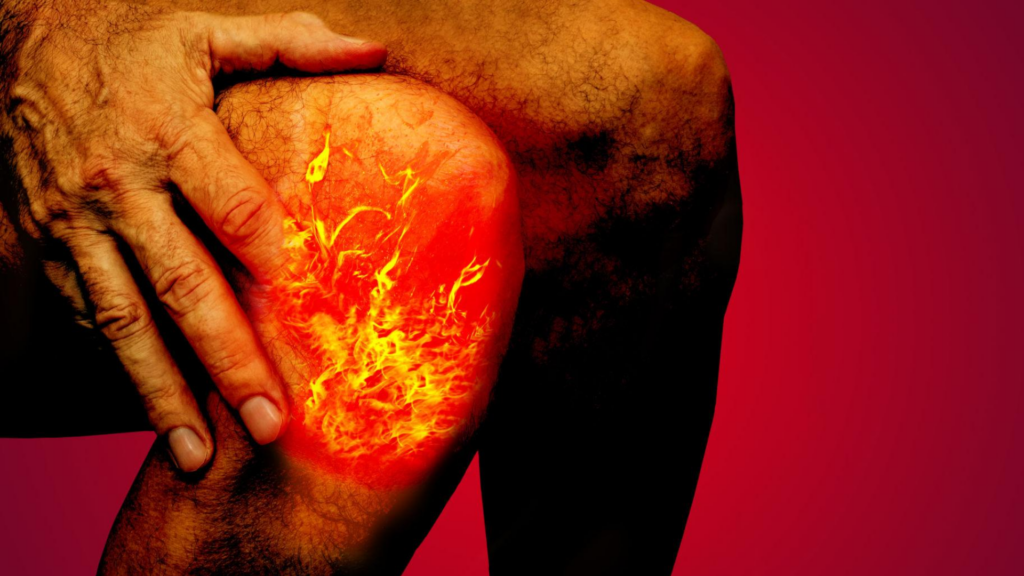
Knee pain can appear in many different ways. For some people, it starts as mild stiffness after exercise or long walks. For others, symptoms become more serious and begin interfering with walking, sleep, movement, and daily activities.
The challenge is that many people ignore early warning signs until the problem becomes much worse. While some knee discomfort is temporary and harmless, certain symptoms may indicate inflammation, arthritis, tendon irritation, structural damage, or more serious joint problems.
Understanding which knee pain symptoms should not be ignored can help you seek treatment earlier, reduce long-term damage, and improve recovery outcomes.

Pain While Walking
One of the most common knee pain symptoms is discomfort during walking.
Pain may appear:
- during long walks
- while climbing stairs
- after standing for long periods
- during exercise
This type of symptom may be linked to:
- inflammation
- overuse
- arthritis
- muscle weakness
- cartilage irritation
If walking pain continues for weeks, it may require further evaluation.
Swelling
Swelling is one of the clearest signs that something is irritating the knee joint.
Symptoms may include:
- visible puffiness
- tightness around the knee
- warmth
- pressure sensations
Swelling often appears after:
- injuries
- repetitive stress
- inflammation flare-ups
- arthritis irritation
Sudden severe swelling should never be ignored.
Stiffness
Many people experience stiffness:
- in the morning
- after sitting
- after inactivity
- during cold weather
This symptom is especially common in:
- arthritis
- chronic inflammation
- reduced mobility conditions
Stiffness that improves slightly with movement is often associated with joint inflammation or arthritis-related discomfort.
Read also: Best Stretches for Stiff Knees
Weakness or Instability
Some individuals feel like the knee:
- may give out
- feels unstable
- lacks strength during movement
This symptom may point to:
- muscle weakness
- ligament problems
- instability
- poor joint support
Instability should be taken seriously because it increases the risk of falls and further injury.
Read also: Why Does My Knee Give Out?
Popping, Clicking, or Cracking Sounds
Many knees produce occasional noises without serious problems.
However, persistent:
- cracking
- clicking
- popping
- grinding sensations
…combined with pain or swelling may indicate:
- cartilage irritation
- arthritis
- joint dysfunction
Read also: Why Does My Knee Crack?
Pain in Specific Areas of the Knee
The location of knee pain often provides useful clues.
Examples include:
- front knee pain
- inner knee pain
- outer knee pain
- pain behind the knee
- pain below kneecap
- pain above kneecap
Different locations may point to different causes and movement problems.
Read also: Knee Pain Location Chart: What Your Pain Means
Knee Pain at Night
Pain that worsens at night may interfere with sleep and recovery.
Nighttime symptoms are commonly associated with:
- arthritis
- inflammation
- overuse
- poor sleeping position
- chronic irritation
Read also: Knee Pain at Night: Causes and Simple Fixes
Reduced Range of Motion
Some people notice difficulty:
- bending the knee
- straightening the leg
- squatting
- kneeling
Restricted movement may result from:
- swelling
- inflammation
- injuries
- stiffness
- structural irritation
Sharp or Sudden Pain
Sharp pain should not be ignored, especially after:
- twisting movements
- falls
- sports injuries
- sudden impacts
This may sometimes indicate:
- ligament injuries
- tendon damage
- cartilage problems
- meniscus irritation
Warmth and Redness
If the knee becomes:
- warm
- red
- swollen
- painful to touch
…it may indicate significant inflammation or infection.
Symptoms combined with fever should be evaluated quickly by a medical professional.
When Should You See a Doctor?
You should consider medical evaluation if:
- pain becomes severe
- swelling increases significantly
- the knee locks or gives out
- walking becomes difficult
- symptoms continue for several weeks
Read also: When Should You See a Doctor for Knee Pain?
Common Mistakes People Make
Many people ignore symptoms too long because they assume knee pain will disappear on its own.
Common mistakes include:
- training through pain
- avoiding movement completely
- delaying medical evaluation
- ignoring swelling and instability
- relying only on pain creams
Early treatment often leads to faster recovery and better long-term outcomes.
Final Thoughts
Knee pain symptoms can range from mild stiffness to severe swelling and instability. While many cases improve with rest, exercise, and recovery strategies, certain warning signs should never be ignored.
Paying attention to symptoms early and understanding what they may indicate can help reduce long-term joint problems and improve overall mobility and comfort.