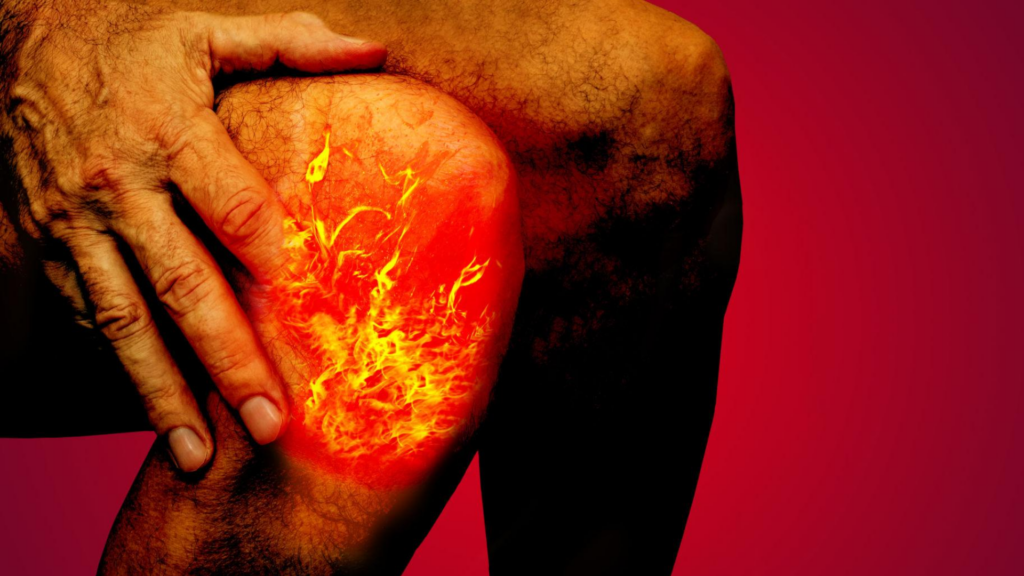
Knee pain is extremely common and, in many cases, improves with rest, mobility work, and simple home treatment.
But sometimes knee pain can signal a more serious issue that requires medical attention.
Knowing when to see a doctor can help prevent long-term damage, reduce recovery time, and give you peace of mind.
This guide explains the warning signs you should not ignore, possible causes of persistent knee pain, and when professional evaluation becomes important.
When Knee Pain Is Usually Not Serious
Many mild cases improve within days or weeks.
Common causes include:
- overuse
- muscle tightness
- minor strains
- temporary inflammation
- exercise-related soreness
These situations often respond well to:
- rest
- ice
- compression
- mobility exercises
- activity modification
You can also read: What Is the Fastest Way to Relieve Knee Pain at Home?
Signs You Should See a Doctor for Knee Pain
1. Severe Swelling

Some swelling after activity can be normal.
But rapid or severe swelling may indicate:
- ligament injury
- meniscus damage
- internal bleeding
- significant inflammation
Especially if swelling appears suddenly after an injury.
2. You Cannot Bear Weight Properly

If walking becomes difficult or painful, the joint may need professional evaluation.
Warning signs include:
- limping heavily
- inability to stand comfortably
- feeling unstable while walking
- knee “giving out”
This can sometimes point to ligament or structural problems.
Read also: Outer Knee Pain: Causes and Relief
3. The Knee Locks or Gets Stuck
A knee that locks or becomes stuck during movement should not be ignored.
Possible causes include:
- cartilage problems
- meniscus irritation
- joint dysfunction
This is especially important if locking happens repeatedly.
4. Pain Lasts More Than Several Weeks
Minor knee pain often improves gradually.
If symptoms continue despite:
- rest
- stretching
- mobility work
- reduced activity
…it may be time to seek medical advice.
Persistent pain sometimes indicates:
- arthritis
- tendon irritation
- chronic inflammation
- structural problems
Read also: Pain Above the Kneecap: Causes and Relief
5. The Knee Looks Deformed
A visibly misshapen knee after injury requires immediate medical attention.
This may indicate:
- dislocation
- fracture
- major ligament injury
Do not attempt to “walk it off.”
6. Fever or Redness Around the Knee
If knee pain is accompanied by:
- fever
- redness
- warmth
- severe swelling
…it could indicate infection or significant inflammation.
Seek medical evaluation quickly in these situations.
7. Sharp Pain After Trauma
Sudden pain after:
- twisting
- falling
- sports impact
- accidents
…can sometimes involve:
- ligament tears
- meniscus injuries
- tendon damage
If pain is intense or movement becomes limited, medical evaluation is important.
What Type of Doctor Should You See?
Depending on symptoms, people may see:
- general practitioner
- orthopedic specialist
- sports medicine doctor
- physical therapist
For many mild to moderate cases, physical therapy is often recommended before invasive treatment.
What Happens During a Knee Evaluation?
Doctors typically evaluate:
- pain location
- swelling
- stability
- range of motion
- injury history
Sometimes imaging tests may be requested:
- X-rays
- MRI scans
- ultrasound
Not all knee pain requires imaging.
What You Can Try Before Seeing a Doctor
If symptoms are mild, these strategies may help:
- temporary rest
- cold therapy
- compression sleeves
- mobility exercises
- reducing high-impact activity
Read also: Top Exercises for Knee Pain (Backed by Experts)
Common Mistakes People Make
Many people delay recovery by:
- ignoring symptoms too long
- returning to intense exercise too early
- avoiding movement completely
- relying only on pain creams
Early action often leads to faster recovery.
Can Knee Pain Go Away on Its Own?
Yes, many cases improve naturally.
Especially when caused by:
- temporary overuse
- muscle tightness
- mild inflammation
But persistent or worsening symptoms should not be ignored.
Read also: Knee Pain at Night: Causes and Simple Fixes
Final Thoughts
Most knee pain is not dangerous.
But certain symptoms can indicate more serious problems that deserve professional attention.
You should consider seeing a doctor if:
- pain becomes severe
- swelling is significant
- movement is restricted
- the knee feels unstable
- symptoms persist for weeks
Paying attention early can help prevent long-term issues and get you back to normal activity faster.