
Knee pain at night can make it difficult to relax, fall asleep, or stay asleep comfortably. Many people notice that their knees feel relatively manageable during the day, only for the discomfort to become much more noticeable once they get into bed. In some cases, the pain feels like a dull ache or stiffness. In others, it may become sharp, throbbing, or intense enough to wake you up repeatedly throughout the night.
Nighttime knee pain is often linked to inflammation, overuse, arthritis, muscle tightness, or even sleeping position. Long periods of inactivity can also increase stiffness around the joint, especially after a physically demanding day.
The good news is that many cases improve with simple adjustments such as better sleep positioning, cold or heat therapy, gentle stretching, and reducing activities that place excessive stress on the knees. Understanding the possible causes can help you choose the right strategy and reduce discomfort more effectively.
Why Does Knee Pain Get Worse at Night?
There are several reasons why knee pain may become more noticeable at night.
Reduced Distractions
During the day, your brain is focused on work, movement, and daily activities. At night, there are fewer distractions, making pain sensations more noticeable.
Inflammation After Activity
Inflammation can build throughout the day from walking, standing, exercising, or repetitive movements. By nighttime, the knee may feel more swollen, stiff, or irritated.
Sleeping Position
Certain sleeping positions place additional pressure on the knees and surrounding joints, especially if the knees remain bent for long periods.
Stiffness From Inactivity
Remaining still for long periods can increase stiffness and discomfort, especially in people with arthritis or chronic inflammation.
Common Causes of Knee Pain at Night
Arthritis

Arthritis is one of the most common causes of nighttime knee pain. Symptoms often include:
- aching pain
- stiffness
- swelling
- discomfort during weather changes
Pain may worsen after long periods of inactivity or after a physically demanding day.
Overuse and Inflammation
Overusing the knee during exercise, sports, or long periods of standing can lead to inflammation that becomes more noticeable later in the day.
Common examples include:
- running
- hiking
- repetitive squatting
- physically demanding jobs
Tendon Irritation
Tendons surrounding the knee can become irritated from repetitive movement or strain. This may cause throbbing or aching pain at night.
Poor Sleeping Position
Sleeping with knees twisted or unsupported can place stress on the joint and surrounding muscles.
Read also: Inner Knee Pain: Causes and Relief
Severe Knee Pain at Night
Severe knee pain at night should not be ignored, especially if it repeatedly wakes you up or becomes worse over time.
Possible causes include:
- arthritis flare-ups
- inflammation
- bursitis
- tendon irritation
- gout
- infection
- recent overuse or injury
If the pain is intense, sudden, or accompanied by swelling, warmth, redness, fever, or difficulty walking, medical evaluation is recommended.
Read also: Signs Your Knee Pain Is Serious
Knee Pain That Wakes You Up
Knee pain that wakes you up during the night is often linked to inflammation, arthritis, poor sleep posture, or pressure on the joint.
This may happen when the knee stays in one position for too long. Pain can also become more noticeable at night because there are fewer distractions.
Simple fixes may include:
- placing a pillow between the knees
- placing a pillow under the knees
- avoiding twisted sleeping positions
- using ice if the knee feels swollen
- using heat if the knee feels stiff
Read also: Best Sleeping Position for Knee Pain
Burning Knee Pain at Night
Burning knee pain at night may feel different from a dull ache or stiffness. Some people describe it as heat, irritation, tingling, or a deep burning sensation around the joint.
Possible causes include:
- inflammation
- arthritis
- tendon irritation
- bursitis
- nerve irritation
- overuse
Burning pain that becomes severe, spreads, or appears with numbness, swelling, redness, or weakness should be checked by a healthcare professional.
Back of Knee Pain at Night
Pain behind the knee at night may be related to tight muscles, swelling, inflammation, or irritation behind the joint.
Possible causes include:
- hamstring tightness
- tendon irritation
- arthritis
- fluid buildup
- Baker’s cyst
- overuse
Symptoms may include aching behind the knee, tightness, swelling, or discomfort when bending the knee.
Read also: Back of Knee Pain: Causes and Relief
Simple Fixes for Knee Pain at Night
Use Ice if the Knee Feels Swollen
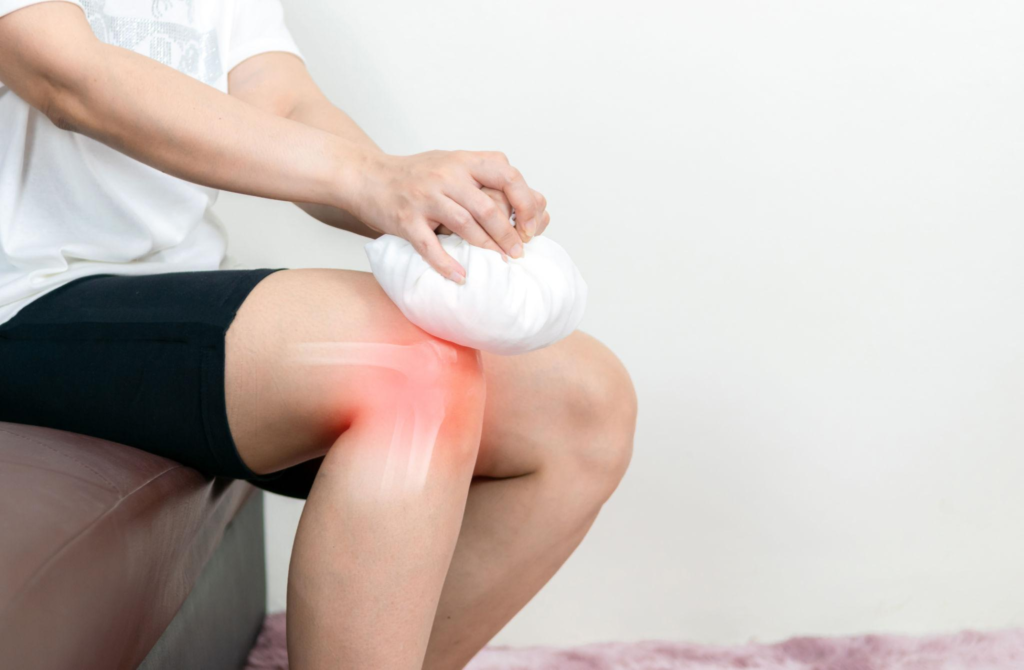
If your knee feels swollen, warm, or inflamed, cold therapy may help reduce discomfort.
Tips:
- apply ice for 15 to 20 minutes
- avoid direct skin contact
- use before bedtime
Cold therapy helps reduce inflammation and numb pain temporarily.
Use Heat for Stiffness
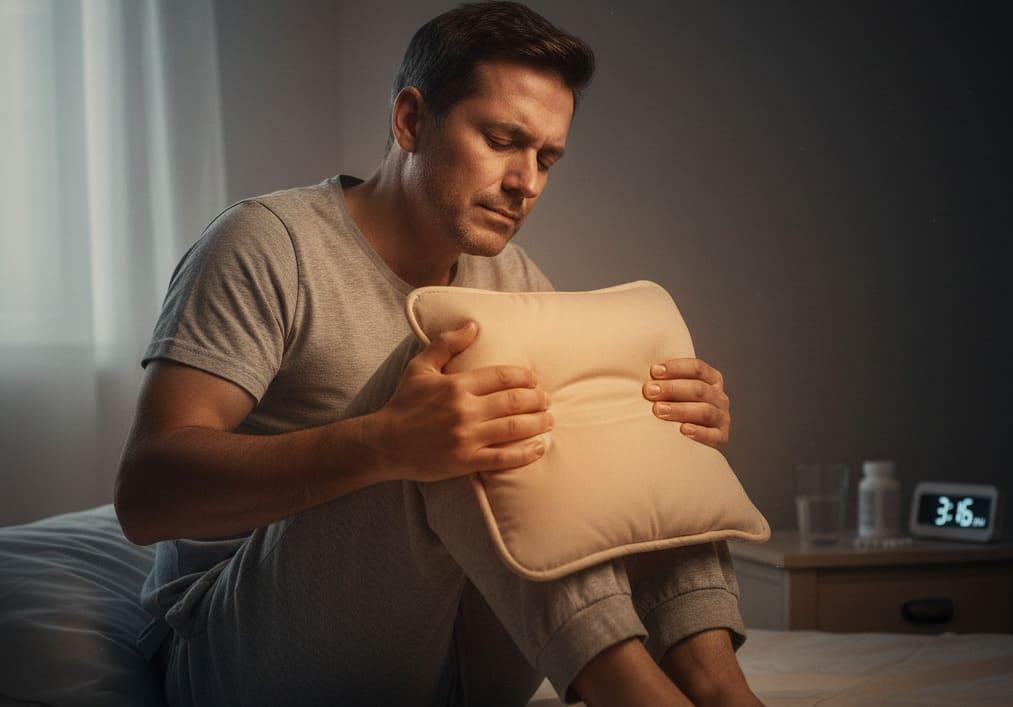
If the knee feels stiff rather than swollen, heat therapy may work better.
Heat can:
- improve circulation
- relax muscles
- reduce stiffness
Heating pads or warm compresses are often effective before sleep.
Read also: Ice vs Heat for Knee Pain: What Works Best?
Improve Your Sleeping Position
Sleeping posture matters more than many people realize.
Helpful adjustments include:
- placing a pillow between the knees when side sleeping
- placing a pillow under the knees when sleeping on your back
- avoiding twisting positions
These changes can reduce pressure on the joint during sleep.
Knee Pain While Sleeping
Knee pain while sleeping is often related to pressure, poor alignment, stiffness, or inflammation. The right sleeping position can reduce stress on the joint and help you stay comfortable for longer.
Gentle Stretching Before Bed
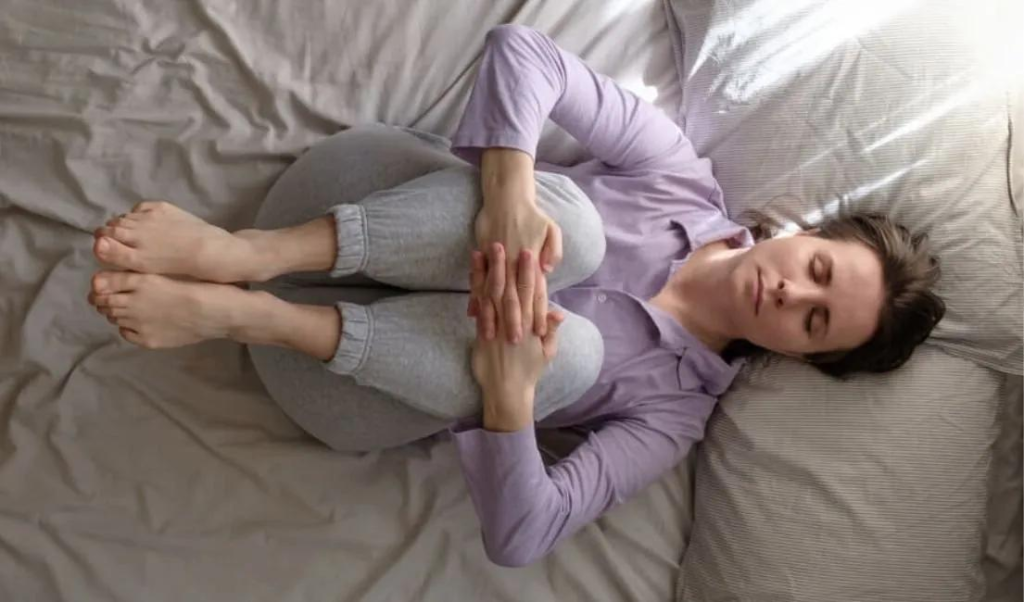
Light stretching before bed can reduce tightness and improve mobility.
Focus on:
- hamstrings
- quadriceps
- calves
- hips
Avoid aggressive stretching if pain is sharp.
Reduce High-Impact Activity Temporarily
If symptoms worsen after certain activities, temporarily reducing stress on the knee may help.
Examples:
- running
- jumping
- deep squats
- excessive stair climbing
This does not mean complete inactivity. Gentle movement is usually still beneficial.
Consider Compression Support
Some people experience relief using light compression sleeves, especially if the knee feels unstable or swollen.
Compression may help:
- improve support
- reduce mild swelling
- increase comfort during movement
Knee Pain While Sleeping
Knee pain while sleeping is often related to pressure, poor alignment, stiffness, or inflammation. The right sleeping position can reduce stress on the joint and help you stay comfortable for longer.
| Sleeping Issue | Possible Cause | Simple Fix |
|---|---|---|
| Knee pain while side sleeping | Pressure between the knees | Place a pillow between the knees |
| Knee pain while back sleeping | Knee fully extended too long | Place a pillow under the knees |
| Knee pain only at night | Inflammation or stiffness | Try gentle stretching before bed |
| Knee pain that wakes you up | Arthritis, swelling, or irritation | Review symptoms and consider medical advice |
| Burning knee pain at night | Inflammation or nerve irritation | Avoid pressure and monitor severity |
If knee pain happens mostly in bed, small changes in pillow position, mattress support, and leg alignment may make a noticeable difference.
When Nighttime Knee Pain Could Be Serious
Sometimes nighttime pain may signal a more significant issue.
You should consider medical evaluation if:
- swelling is severe
- pain becomes intense suddenly
- the knee feels unstable
- symptoms persist for several weeks
- fever or redness is present
Read also: When Should You See a Doctor for Knee Pain?
Common Mistakes People Make
Many people accidentally worsen nighttime knee pain by:
- remaining inactive all day
- ignoring mobility work
- using heat on swollen knees
- sleeping in poor positions
- returning to intense exercise too quickly
Small adjustments often produce noticeable improvements.
Frequently Asked Questions
Why do my knees ache at night?
Knees may ache at night because of arthritis, inflammation, overuse, stiffness after inactivity, or sleeping positions that place pressure on the joint.
Why does knee pain seem worse at night?
Knee pain often feels worse at night because there are fewer distractions and the joint stays still for longer periods, which can increase stiffness.
Can arthritis cause knee pain at night?
Yes. Arthritis is one of the most common causes of aching knees at night. It may also cause stiffness, swelling, and discomfort after inactivity.
How can I stop knee pain from waking me up?
Supportive pillows, better sleeping position, gentle stretching, and using ice or heat appropriately may help. If pain repeatedly wakes you up, the underlying cause should be addressed.
When should I worry about knee pain at night?
You should seek medical advice if the pain is severe, worsening, associated with swelling or redness, or repeatedly interrupts sleep.
Final Thoughts
Knee pain at night is common, especially after long days, exercise, or repetitive movement.
In many cases, simple strategies can provide significant relief:
- ice for swelling
- heat for stiffness
- better sleeping positions
- gentle stretching
- temporary activity modification
Consistency matters more than extreme treatments. Small daily improvements can help reduce discomfort and improve sleep quality over time.