Knee pain can slow everything down. Walking, training, even sitting comfortably.
The good news?
You don’t always need medication or expensive treatments to get relief.
The right product, used correctly, can reduce pain, improve mobility, and help you recover faster.
This guide breaks down the best knee pain relief products in 2026, based on effectiveness, ease of use, and real-world results.
Quick Overview: What Actually Works
Not all solutions are equal.
Here’s what tends to work best depending on the type of pain:
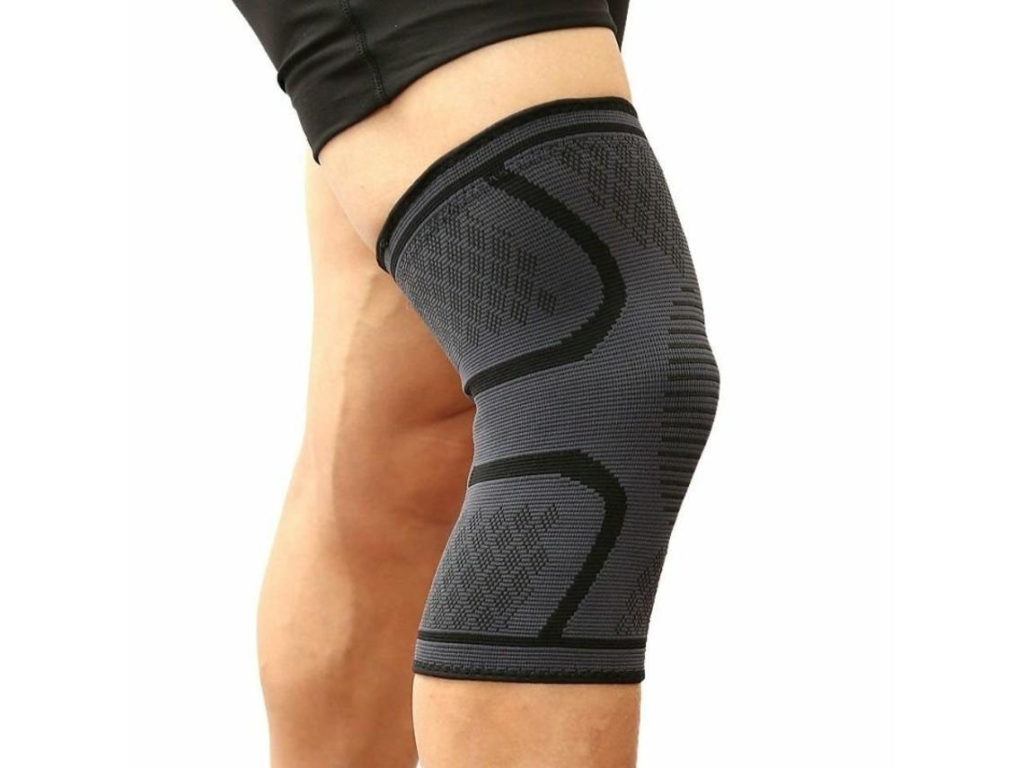
- Compression braces → stability and support
- Cold therapy → swelling and inflammation
- Heat therapy → stiffness and chronic pain
- Topical creams → fast temporary relief
- Mobility tools → long-term improvement
If you’re not sure what your pain means, check this next:
Read also: Knee Pain Location Chart: What Your Pain Means
1. Knee Braces and Compression Sleeves

Best for: instability, arthritis, mild injuries
Knee braces are one of the most effective first-line solutions.
They work by:
- stabilizing the joint
- reducing strain
- improving blood flow
Types to consider
- Compression sleeves: Lightweight, good for daily use and mild pain
- Hinged braces: More support, ideal after injury
- Patellar straps: Targeted support for tendon pain
Pros
- Immediate support
- Affordable
- Easy to use daily
Cons
- Doesn’t fix root cause
- Wrong fit = no benefit
2. Cold Therapy (Ice Packs and Wraps)
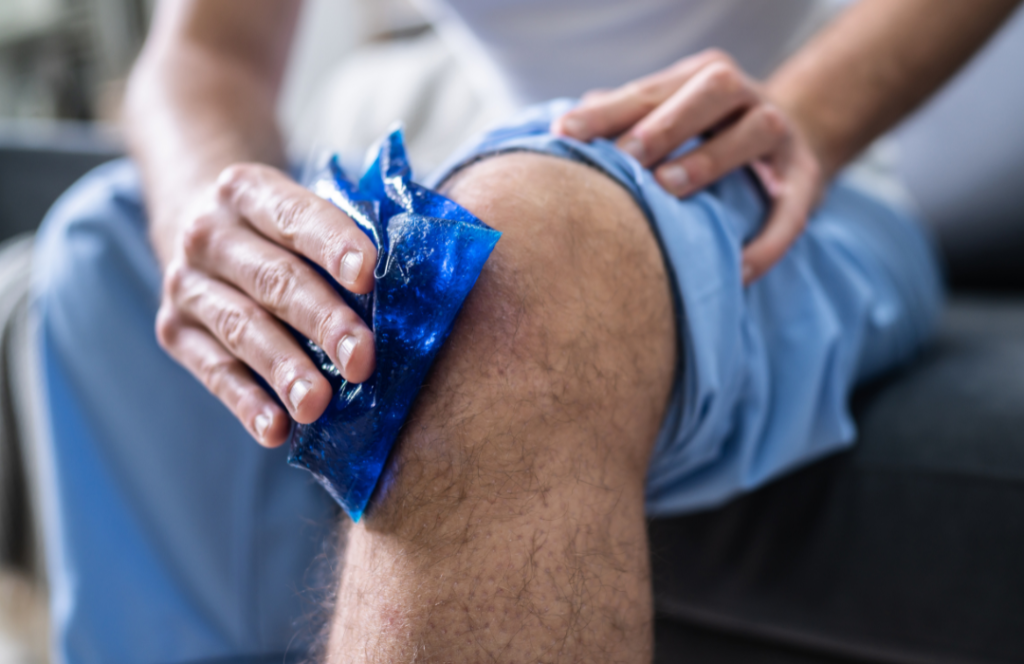
Best for: swelling, inflammation, acute pain
Cold therapy is one of the fastest ways to reduce knee pain.
It works by:
- constricting blood vessels
- reducing inflammation
- numbing pain
What to look for
- Flexible gel packs
- Adjustable straps
- Full knee coverage
How to use
- 15 to 20 minutes per session
- 2 to 3 times per day
Pros
- Fast pain reduction
- Very effective post-exercise
Cons
- Temporary relief only
- Can feel uncomfortable initially
Read also: Ice vs Heat for Knee Pain: What Works Best?
3. Heat Therapy (Heating Pads)
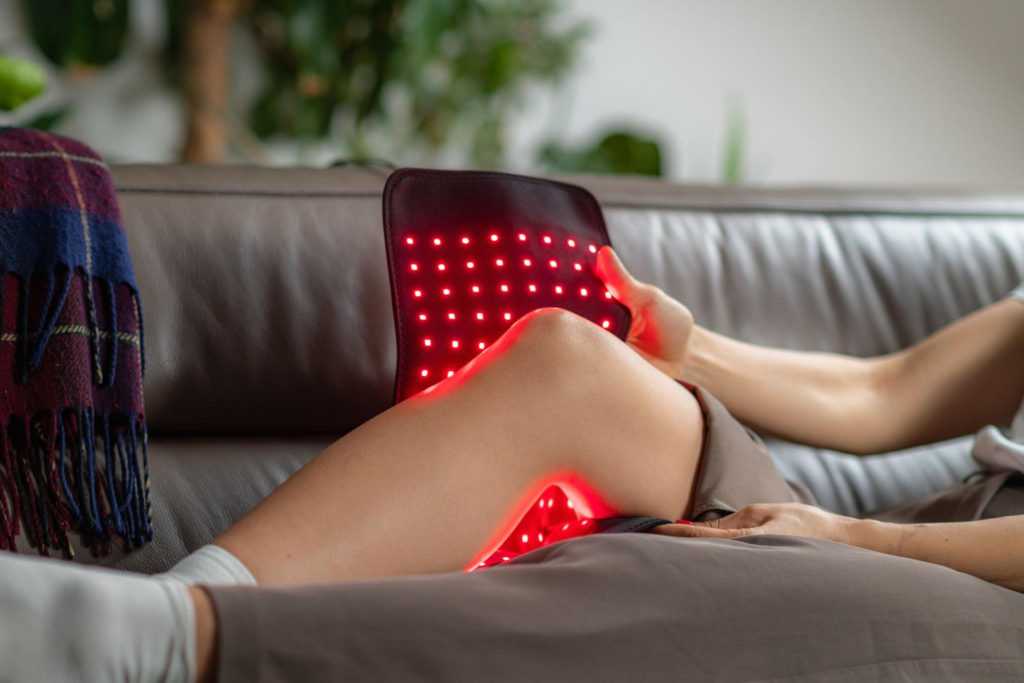
Best for: stiffness, chronic pain, arthritis
Heat is ideal when your knee feels tight rather than swollen.
It helps:
- increase blood flow
- relax muscles
- improve flexibility
Best options
- Electric heating pads
- Infrared wraps
- Microwave heat packs
Pros
- Great for morning stiffness
- Comfortable and relaxing
Cons
- Not for swollen knees
- Slower than cold therapy
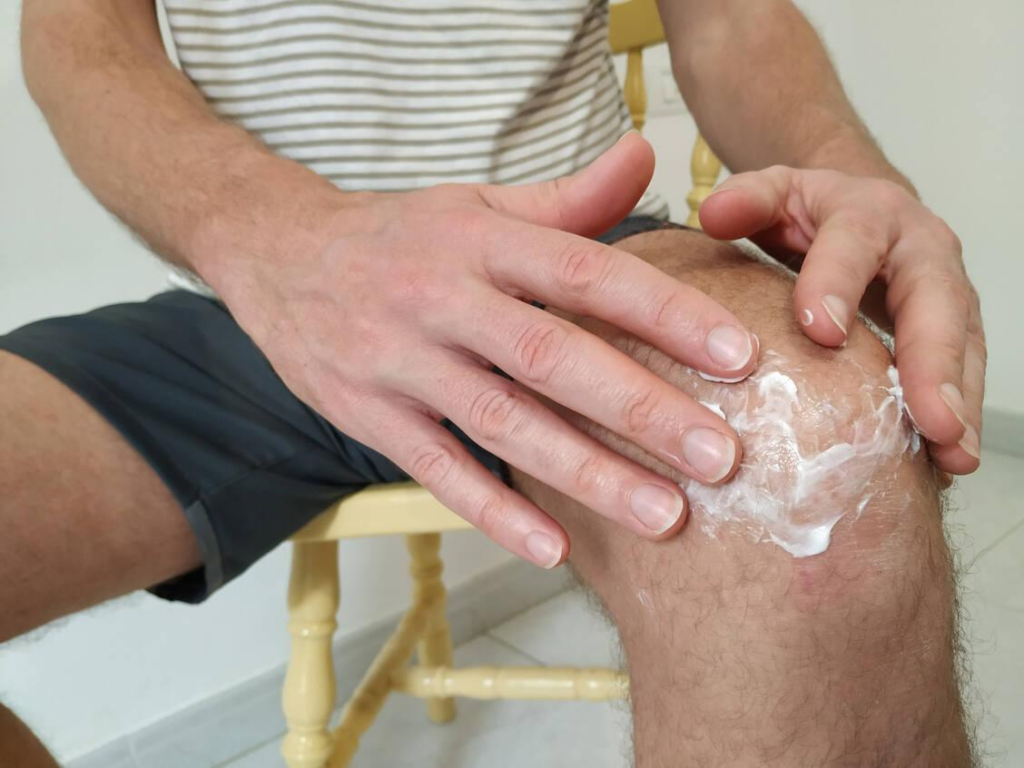
4. Topical Pain Relief Creams and Gels
Best for: quick, on-the-go relief
These products are widely used because they work fast.
They usually contain:
- menthol (cooling effect)
- capsaicin (heat sensation)
- anti-inflammatory ingredients
Pros
- Fast acting
- Portable
- No equipment needed
Cons
- Short duration
- Doesn’t treat underlying issue
Read also: Inner Knee Pain: Causes and Relief
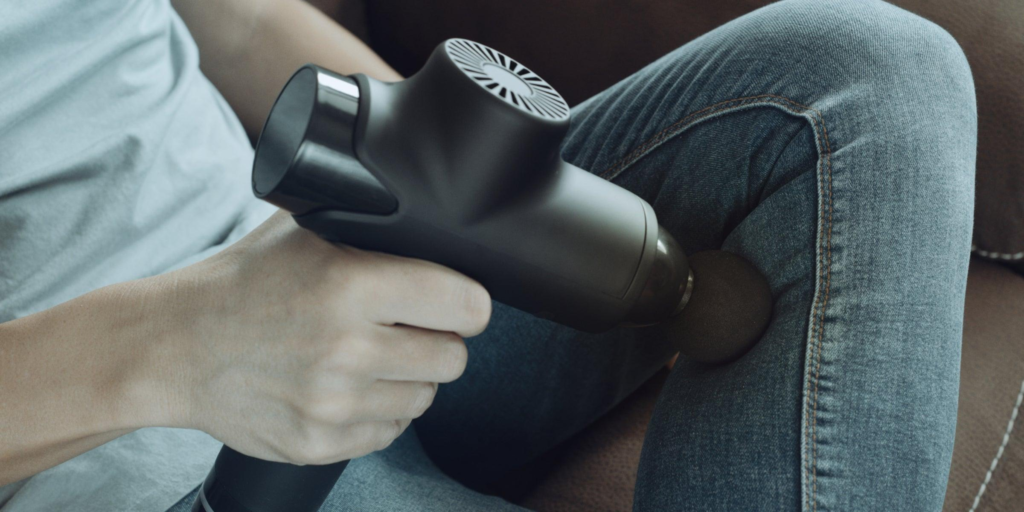
5. Foam Rollers and Massage Tools
Best for: muscle-related knee pain, prevention
Sometimes the knee isn’t the real problem.
Tight muscles around it are.
Foam rolling helps:
- release tension in quads and hamstrings
- improve mobility
- reduce long-term pain
Pros
- Addresses root cause
- Improves performance
Cons
- Requires consistency
- Slight learning curve
How to Choose the Right Product
Don’t overcomplicate it.
Match the product to your situation:
- Swollen knee → cold therapy
- Stiff knee → heat therapy
- Weak or unstable → brace
- Need fast relief → cream
- Recurring pain → mobility tools
You can also combine them for better results.
Example:
- Ice after activity
- Brace during the day
- Heat at night
Common Mistakes to Avoid
Most people delay recovery because of simple mistakes:
- Using heat on a swollen knee
- Wearing the wrong brace size
- Relying only on creams
- Ignoring mobility work
Fix these and results improve fast.
When Products Are Not Enough
If pain persists, products alone won’t solve it.
You should read:
Read also: When Should You See a Doctor for Knee Pain?
Final Thoughts
Knee pain relief doesn’t have to be complicated.
Start simple:
- pick one product based on your pain type
- use it consistently
- adjust if needed
Small improvements compound quickly.