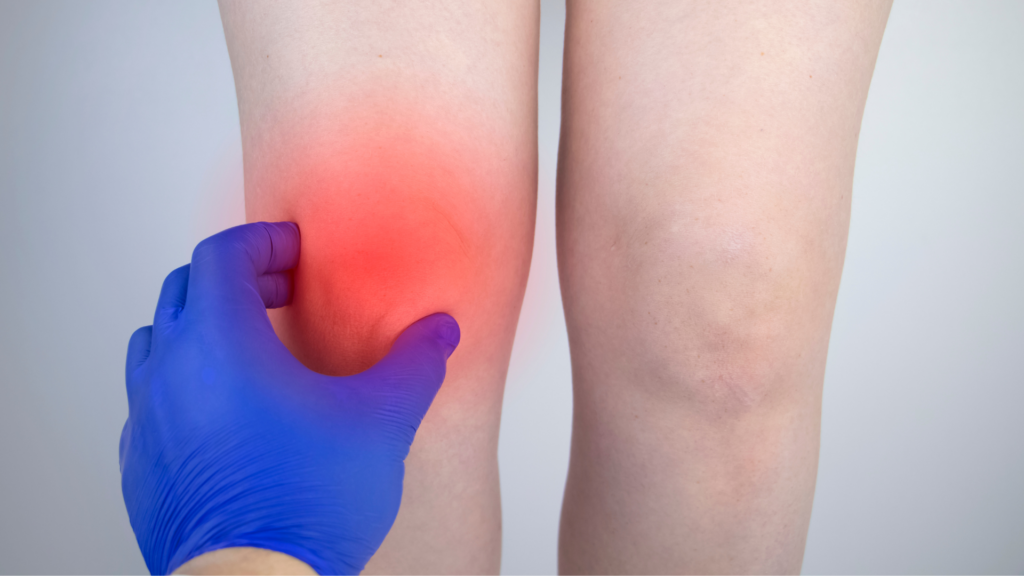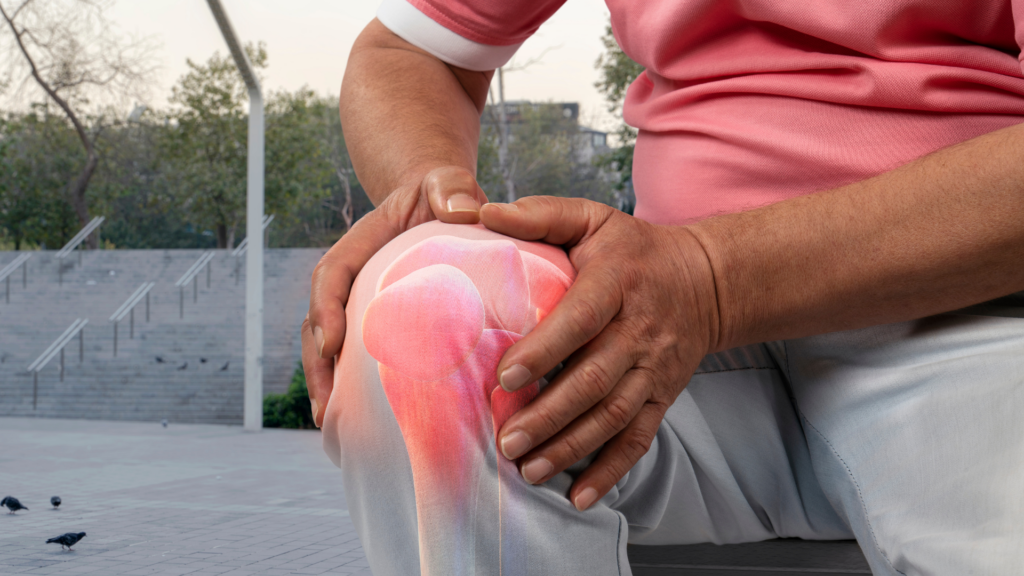
The location of your knee pain can reveal a lot about what may be causing it.
Pain in the front of the knee often means something very different from pain on the inside, outside, or back.
While a proper diagnosis should always come from a medical professional, understanding where your pain is located can help you choose the right treatment and avoid making the problem worse.
This guide explains the most common knee pain locations, possible causes, and what you can do at home to relieve discomfort.
Front Knee Pain
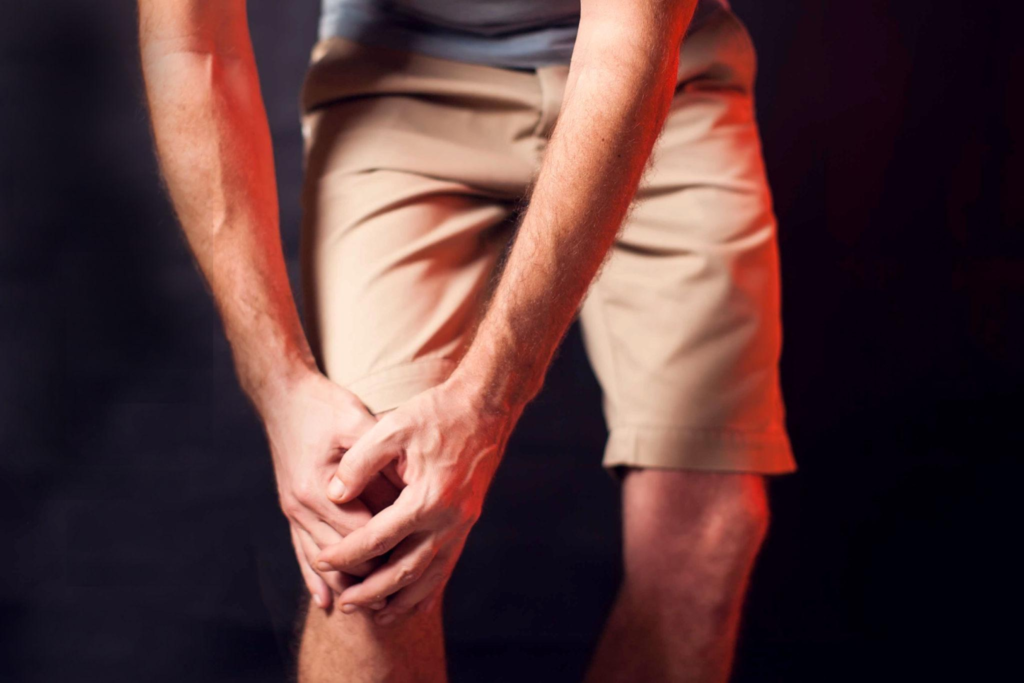
Common symptoms
- pain around the kneecap
- discomfort while climbing stairs
- pain when squatting
- stiffness after sitting
Possible causes
- patellar tendon irritation
- runner’s knee
- cartilage irritation
- overuse from exercise
Front knee pain is extremely common in runners, cyclists, and people who spend long periods sitting.
What may help
- reduce repetitive impact
- ice after activity
- strengthen quads and glutes
- use a compression sleeve or knee braces
Inner Knee Pain (Medial Knee Pain)
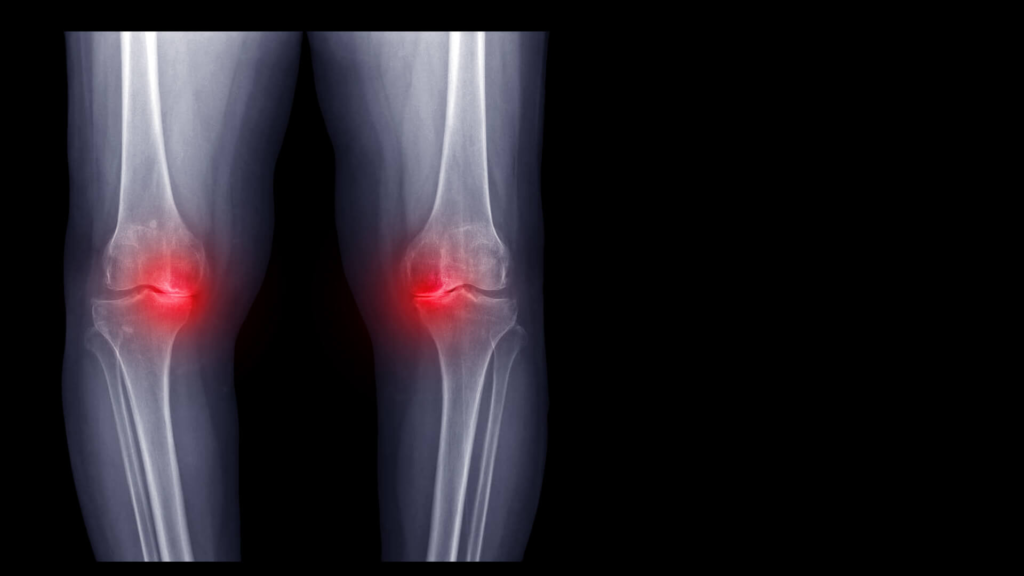
Common symptoms
- pain on the inside of the knee
- tenderness when touching the area
- discomfort while twisting
Possible causes
- medial ligament strain
- meniscus irritation
- arthritis
- overuse injuries
This type of inner knee pain often appears after sudden twisting movements or repetitive stress.
What may help
- rest and ice
- avoid twisting movements
- gentle mobility exercises
- temporary compression support
Outer Knee Pain (Lateral Knee Pain)

Common symptoms
- pain on the outside of the knee
- pain during running or downhill walking
- tightness along the side of the leg
Possible causes
- iliotibial band syndrome (IT band syndrome)
- muscle tightness
- overtraining
- poor movement mechanics
Outer knee pain is especially common in runners and active individuals.
What may help
- foam rolling
- stretching hips and quads
- reducing training volume temporarily
- improving running form
Back of Knee Pain
Common symptoms
- pain behind the knee
- tightness while bending
- swelling or pressure sensation
Possible causes
- hamstring tightness
- Baker’s cyst
- swelling from overuse
- joint irritation
Pain behind the knee can sometimes feel more like pressure than sharp pain.
What may help
- gentle stretching
- elevation
- reducing strain temporarily
- cold therapy if swelling exists
Inner Knee Pain Location Chart
Pain on the inside of the knee often points to structures located along the medial side of the joint.
Common causes include:
- medial meniscus tears
- MCL injuries
- osteoarthritis
- inflammation
| Location of Pain | Possible Cause |
|---|---|
| Along the joint line | Meniscus tear |
| Slightly below the joint | Pes anserine bursitis |
| Inner side after twisting | MCL sprain |
| Diffuse inner knee ache | Arthritis |
Meniscus Knee Pain Location Chart
Meniscus injuries are one of the most common causes of knee pain.
Typical symptoms include:
- pain along the joint line
- clicking or popping
- swelling
- locking sensations
| Pain Pattern | Possible Meniscus Problem |
|---|---|
| Inner joint line | Medial meniscus tear |
| Outer joint line | Lateral meniscus tear |
| Pain with twisting | Meniscus irritation |
| Locking or catching | Larger tear |
Ligament Knee Pain Location Chart
Different ligaments produce pain in different locations.
| Area of Pain | Ligament Involved |
|---|---|
| Inner side of knee | MCL |
| Outer side of knee | LCL |
| Deep inside knee | ACL |
| Back of knee | PCL |
Symptoms of ligament injuries often include:
- instability
- swelling
- pain during movement
- a feeling that the knee gives out
Read also: Why Does My Knee Give Out?
Back of Knee Pain Location Chart
Pain behind the knee may come from several structures.
| Location Behind Knee | Possible Cause |
|---|---|
| Center of knee | Baker’s cyst |
| Upper back area | Hamstring tendon |
| Lower back area | Calf muscle |
| Deep ache behind knee | Arthritis or swelling |
Common symptoms include:
- stiffness
- swelling
- tightness
- pain when bending
Read also: Back of Knee Pain: Causes and Relief
Pain Below the Kneecap
Common symptoms
- pain directly below the kneecap
- discomfort during jumping
- pain after exercise
Possible causes
- patellar tendon irritation
- jumper’s knee
- repetitive strain
This type of pain is common in sports involving jumping and explosive movement.
What may help
- reduce jumping temporarily
- ice after activity
- gradual strengthening exercises
- patellar support straps
Also read: Top Exercises for Knee Pain (Backed by Experts)
General Knee Stiffness and Aching

Common symptoms
- stiffness in the morning
- aching during weather changes
- discomfort after inactivity
Possible causes
- arthritis
- inflammation
- reduced mobility
- aging-related wear and tear
What may help
- heat therapy
- light movement
- low-impact exercise
- consistent mobility work
Quick Knee Pain Location Summary
| Pain Location | Common Causes |
|---|---|
| Front of knee | Runner’s knee, tendon irritation |
| Inside of knee | Meniscus issues, ligament strain |
| Outside of knee | IT band syndrome |
| Back of knee | Tight muscles, swelling |
| Below kneecap | Patellar tendon irritation |
Read also: Pain Above the Kneecap: Causes and Relief
What Helps Most Cases of Knee Pain?
Regardless of the exact location, a few strategies help many people:
- reducing excessive strain
- improving mobility
- strengthening surrounding muscles
- using compression support
- applying heat or ice appropriately
You can read more here:
Read also: What Is the Fastest Way to Relieve Knee Pain at Home?
Common Mistakes People Make
Many people accidentally worsen knee pain by:
- ignoring early symptoms
- training through sharp pain
- remaining inactive too long
- using the wrong treatment type
Example:
- heat can worsen swollen knees
- complete inactivity can increase stiffness
When Knee Pain Could Be Serious
You should seek medical attention if:
- swelling is severe
- the knee feels unstable
- pain becomes intense suddenly
- you cannot walk properly
- symptoms continue for weeks
Read next:
Read also: When Should You See a Doctor for Knee Pain?
Frequently Asked Questions
Can knee pain location help identify the cause?
Yes. The location of pain often provides clues about which structures may be involved, although a proper diagnosis may require medical evaluation.
What does inner knee pain usually mean?
Inner knee pain commonly involves the medial meniscus, MCL, or arthritis.
What does pain behind the knee indicate?
Pain behind the knee may be caused by hamstring tightness, tendon irritation, arthritis, or a Baker’s cyst.
Can you diagnose knee pain by location?
Pain location can provide useful clues, but additional symptoms and medical evaluation are often needed for an accurate diagnosis.
Which type of knee pain is most serious?
Pain accompanied by severe swelling, instability, inability to bear weight, or persistent symptoms should be evaluated by a healthcare professional.
Final Thoughts
The location of your knee pain can provide valuable clues about what may be happening.
Front, inner, outer, or back knee pain often point to different causes and may respond better to different knee pain treatments.
Understanding the pattern is the first step toward finding relief and preventing the issue from getting worse.