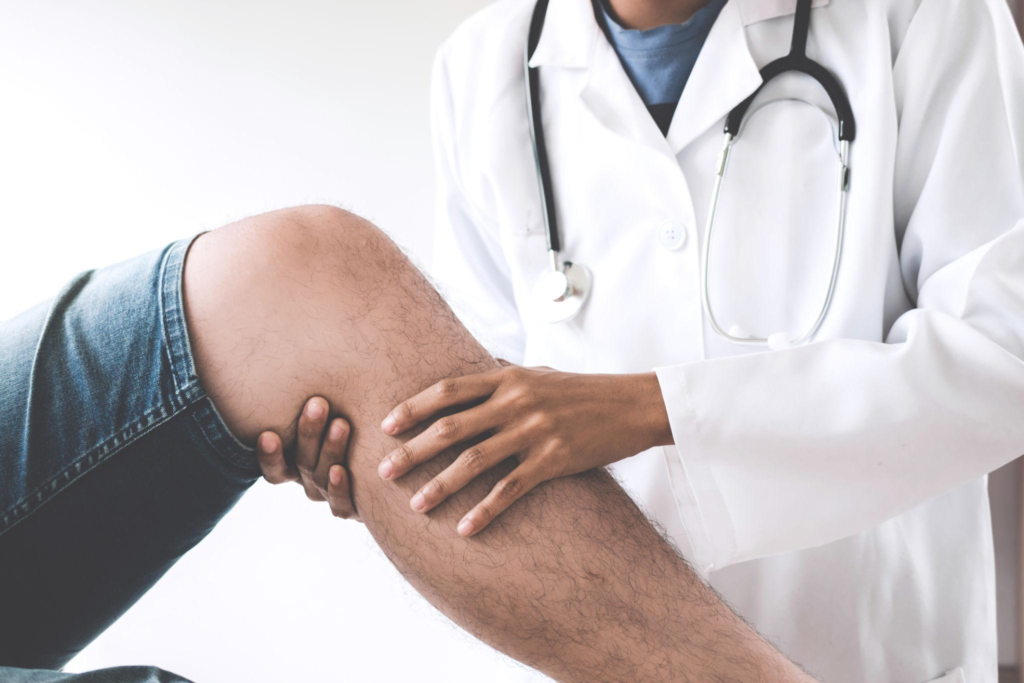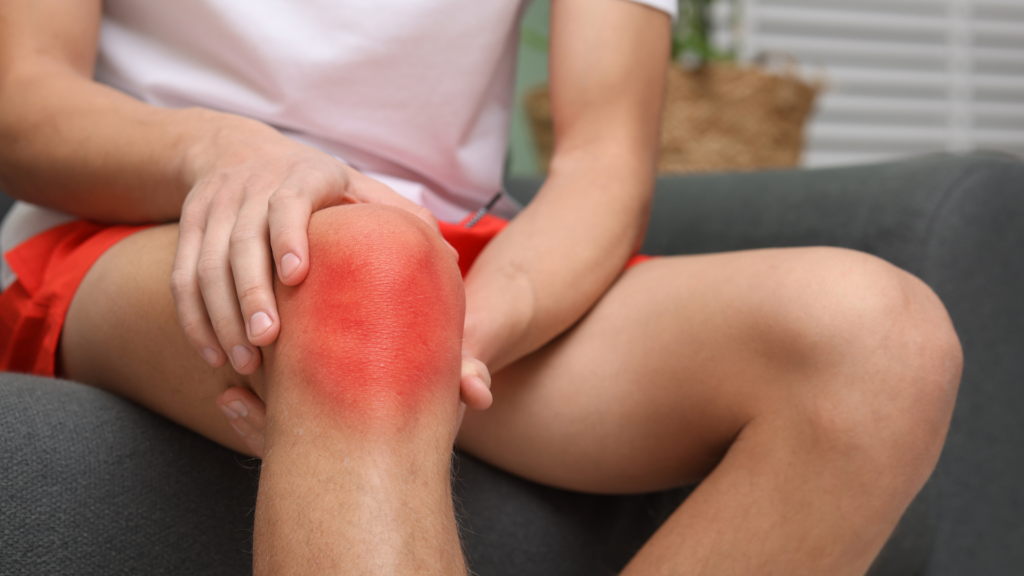
Knee pain is one of the most common joint problems affecting adults of all ages. It can appear suddenly after an injury or develop gradually over time due to overuse, inflammation, arthritis, or repetitive stress. For some people, the discomfort is mild and occasional. For others, pain in the knee can interfere with walking, exercise, sleep, and daily activities.
Because the knee is one of the most heavily used joints in the body, even small problems can quickly become frustrating. Activities such as climbing stairs, standing for long periods, running, or squatting may place additional pressure on the joint and worsen symptoms.
The good news is that many cases of pain improve with proper treatment, movement adjustments, and supportive recovery strategies. Understanding the possible causes, symptoms, and treatment options can help you find relief faster and reduce the risk of long-term problems.
Common Causes of Knee Pain
Pain in your knee can have many different causes. Some are related to injuries, while others develop gradually over time.
Overuse and Repetitive Stress
Repetitive movement is one of the most common causes of knee discomfort.
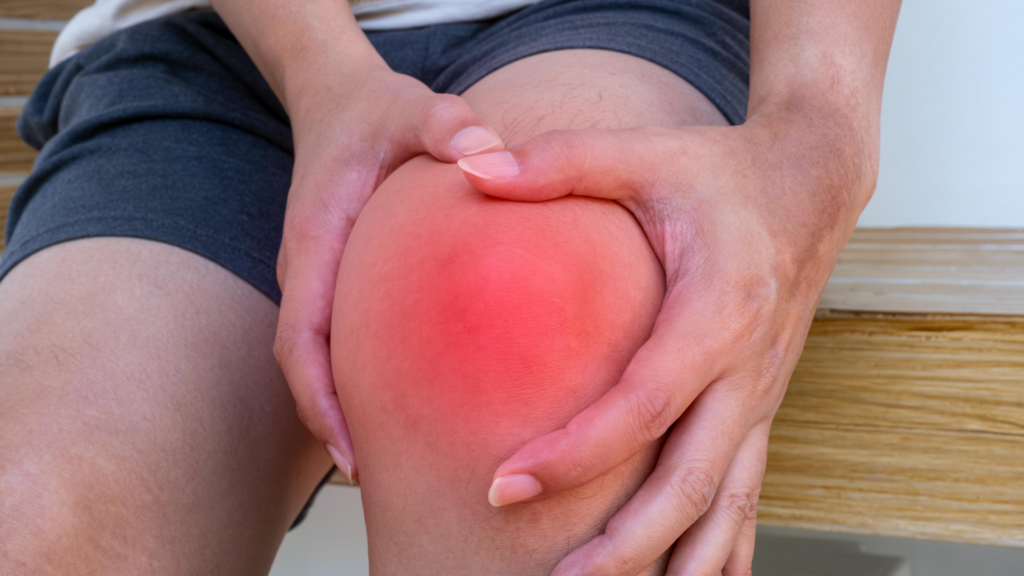
Common examples include:
- running
- jumping
- excessive stair climbing
- repetitive squatting
- physically demanding work
Over time, stress on the joint and surrounding tissues can lead to inflammation and irritation.
Arthritis
Arthritis is a major cause of chronic knee pain, especially in older adults.
Common knee pain symptoms include:
- stiffness
- swelling
- aching pain
- discomfort after inactivity
Pain may worsen in the morning or after long periods of sitting.
Tendon Irritation
Tendons surrounding the knee can become inflamed from repetitive movement or overtraining.
This often causes:
- pain during activity
- tenderness
- discomfort below or around the kneecap
Ligament or Meniscus Injuries
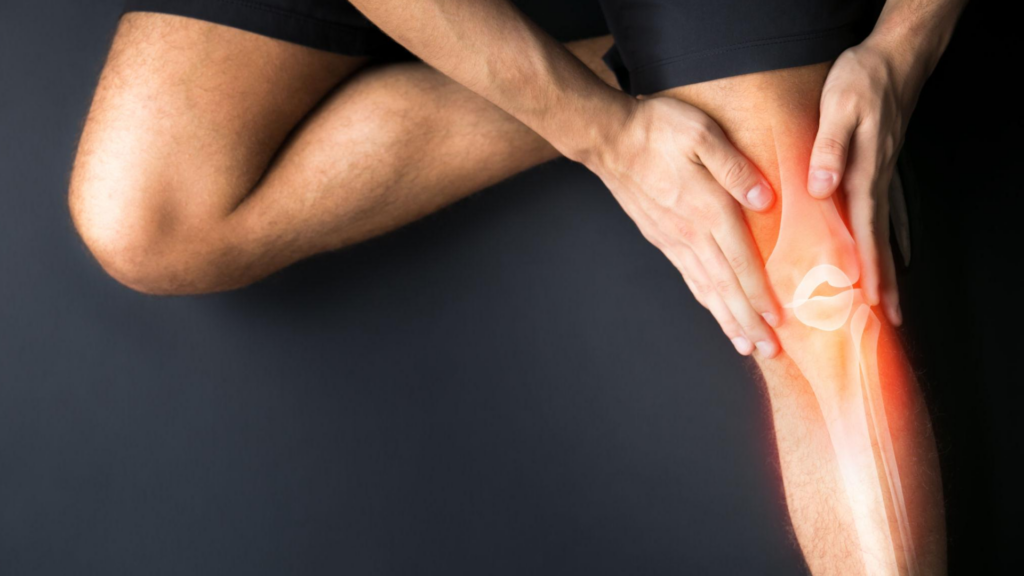
Sudden twisting movements, falls, or sports injuries may damage:
- ligaments
- cartilage
- meniscus tissue
These injuries sometimes cause instability, swelling, or locking sensations.
Common Knee Pain Symptoms
Symptoms vary depending on the cause and severity of the problem.
Pain While Walking
Many people notice discomfort during:
- walking
- climbing stairs
- standing for long periods
This may indicate inflammation, weakness, or joint irritation.
Swelling
Swelling often appears after:
- injuries
- overuse
- inflammation flare-ups
The knee may feel tight, warm, or visibly enlarged.
Stiffness

Stiffness is especially common:
- in the morning
- after sitting
- after inactivity
This symptom frequently appears in arthritis-related pain.
Weakness or Instability
Some people feel like the knee:
- may give out
- feels unstable
- lacks strength during movement
This can sometimes indicate muscle weakness or structural problems.
Different Knee Pain Locations
The location of pain can provide important clues.
Examples:
- front knee pain
- inner knee pain
- outer knee pain
- pain behind the knee
Each location may point to different causes or movement problems.
Read also: Knee Pain Location Chart: What Your Pain Means
Pain Treatment Options
Knee Pain treatment depends on the cause and severity of symptoms.
Rest and Activity Modification
Reducing activities that aggravate the knee is often helpful initially.
Examples:
- reducing running volume
- limiting deep squats
- avoiding repetitive jumping
Complete inactivity is usually not recommended for long periods.
Cold Therapy
Ice therapy may help:
- reduce swelling
- calm inflammation
- numb pain temporarily
Cold therapy is usually best for:
- recent injuries
- swollen knees
- inflammation flare-ups
Heat Therapy
When can heat help?
- reduce stiffness
- improve circulation
- relax muscles
Heat is generally more useful for chronic tightness rather than swelling.
Read also: Ice vs Heat for Knee Pain: What Works Best?
Knee Braces and Compression Sleeves
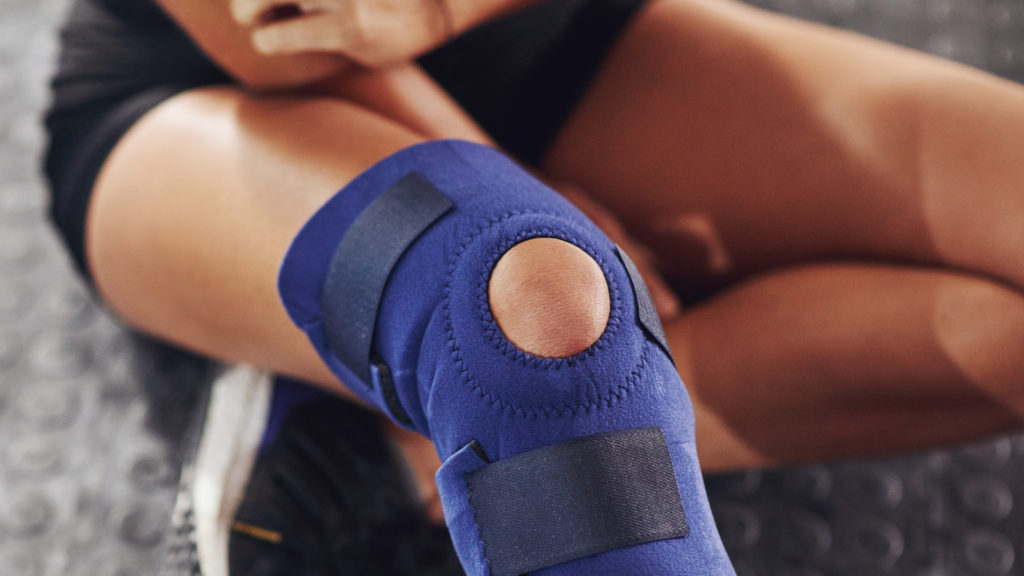
Compression and support products may help:
- improve stability
- reduce discomfort
- support movement
These products are especially common among active individuals and older adults.
Also read: Best Knee Braces for Support and Pain Relief
Exercise and Mobility Work
Proper movement and strengthening exercises often play a major role in recovery.
Helpful strategies include:
- stretching
- strengthening surrounding muscles
- improving mobility
- low-impact activity
Read also: Top Exercises for Knee Pain (Backed by Experts)
Supplements for Knee Pain
Some people use supplements such as:
- glucosamine
- chondroitin
- collagen
Research results vary, but some individuals report symptom improvement over time.
When Should You See a Doctor?
You should consider medical evaluation if:
- swelling is severe
- pain becomes intense suddenly
- the knee locks or gives out
- you cannot walk properly
- symptoms continue for several weeks
Read also: When Should You See a Doctor for Knee Pain?
Common Mistakes People Make
Many people accidentally prolong pain by:
- ignoring early symptoms
- returning to intense activity too quickly
- remaining inactive for too long
- avoiding mobility work completely
Small adjustments often produce significant improvements.
Final Thoughts
Pain can result from many different causes, including overuse, arthritis, inflammation, injuries, and movement problems. While some cases improve quickly with rest and simple home treatment, others may require long-term management and professional evaluation.
Understanding the symptoms, identifying the likely cause, and choosing the right treatment strategy can help reduce discomfort and improve movement over time.