Knee braces are one of the most popular and effective tools for reducing knee pain, improving stability, and supporting movement. Whether the discomfort comes from arthritis, sports injuries, overuse, weakness, or general joint stress, the right knee brace can make daily activities significantly more comfortable.
The challenge is that not all knee braces are designed for the same purpose. Some focus on compression and mild support, while others provide advanced stabilization for more serious knee problems. Choosing the wrong type may provide little benefit or even make movement more uncomfortable.
This guide explains the best types of knee braces for support and pain relief, how they work, and which option may fit your situation best.
How Knee Braces Help
A knee brace works by supporting the joint and reducing stress during movement.
Depending on the design, a brace may help:
- Improve stability
- Reduce pressure on the knee
- Increase confidence while walking
- Reduce discomfort during activity
- Support recovery after irritation or injury
Many people also find that braces improve awareness of knee positioning and movement.
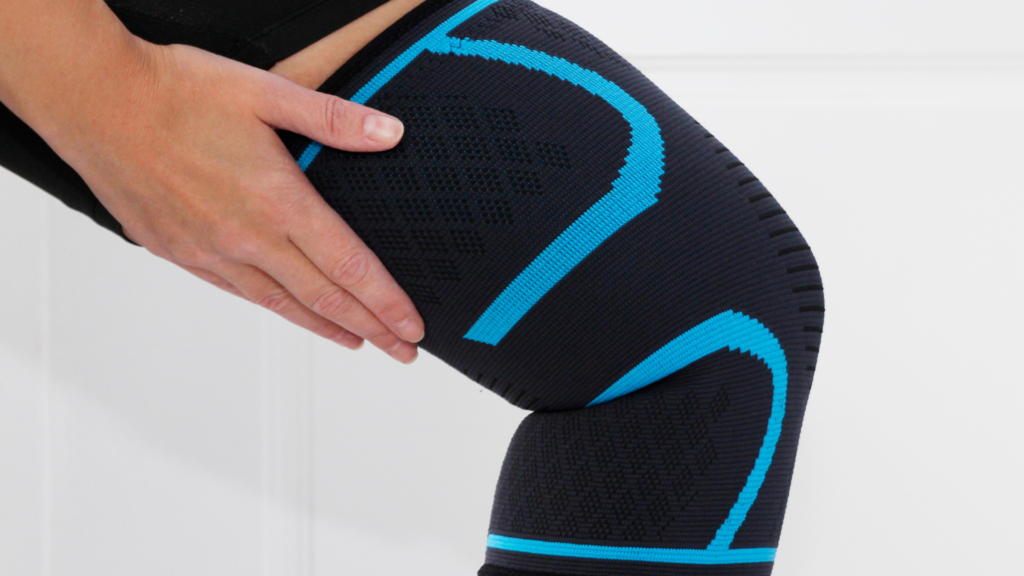
Compression Sleeves
Compression sleeves are among the most common and affordable options.
They are best for:
- Mild knee pain
- General support
- Walking
- Exercise
- Mild swelling
Compression sleeves work by:
- Improving compression around the joint
- Increasing warmth
- Providing light stabilization
Advantages
- Lightweight
- Comfortable for daily use
- Easy to wear under clothing
Limitations
- Less support for serious instability
- May not help major injuries
Hinged Knee Braces
Hinged braces provide more advanced support and stabilization.
They are often used for:
- Ligament injuries
- Instability
- Post-injury recovery
- More severe knee weakness
These braces include side supports that help control movement.
Advantages
- Stronger stabilization
- Improved support during movement
- Useful for unstable knees
Limitations
- Bulkier
- Less comfortable for all-day wear
- More expensive
Patellar Straps
Patellar straps are smaller braces worn below the kneecap.
They are commonly used for:
- Tendon irritation
- Jumper’s knee
- Pain below the kneecap
- Sports-related knee stress
Advantages
- Lightweight
- Affordable
- Targeted support
Limitations
- Limited overall stabilization
- Not ideal for arthritis or instability
Arthritis Knee Braces
Some braces are specifically designed for arthritis-related discomfort.
These braces may help:
- Reduce pressure on the joint
- Improve walking comfort
- Support daily movement
- Reduce stiffness
Many arthritis braces combine:
- Compression
- Moderate stabilization
- Improved joint alignment
What to Look for in a Good Knee Brace
The best knee brace depends on your symptoms and activity level.
Important factors include:
- Comfort
- Support level
- Fit
- Breathability
- Mobility
- Ease of use
A poorly fitting brace may:
- Slip during movement
- Feel uncomfortable
- Restrict circulation
- Provide poor support
How Tight Should a Knee Brace Be?
A brace should feel supportive but not painfully tight.
Signs the brace may be too tight:
- Numbness
- Tingling
- Skin discoloration
- Excessive pressure
The goal is stability and comfort, not excessive compression.
Can a Knee Brace Actually Reduce Pain?
For many people, yes.
Knee braces may help by:
- Reducing joint stress
- Improving stability
- Increasing confidence during movement
- Supporting irritated tissues
However, braces usually work best when combined with:
- Exercise
- Mobility work
- Recovery strategies
- Activity modification
Read also: Best Knee Pain Relief Methods That Actually Work
Exercises Still Matter
A knee brace should not completely replace strengthening and mobility work.
Long-term knee health often improves with:
- Stronger leg muscles
- Better mobility
- Improved movement patterns
- Low-impact exercise
Read also: Top Exercises for Knee Pain (Backed by Experts)
When Should You Use a Knee Brace?
People commonly wear knee braces during:
- Exercise
- Long walks
- Sports
- Physically demanding work
- Flare-ups of knee pain
Some individuals also wear braces temporarily during recovery periods.
Common Mistakes People Make
Many people choose braces based only on appearance or price.
Common mistakes include:
- Using the wrong brace type
- Choosing incorrect sizing
- Wearing braces too tightly
- Relying only on support without strengthening the knee
A brace is usually most effective as part of a broader recovery strategy.
When to See a Doctor
You should seek medical evaluation if:
- The knee feels unstable
- Swelling becomes severe
- Pain worsens significantly
- The knee locks or gives out
- Symptoms continue for several weeks
Read also: When Should You See a Doctor for Knee Pain?
Final Thoughts
The best knee brace depends on the type of pain, support needs, and activity level. Compression sleeves may work well for mild discomfort and daily support, while hinged braces provide stronger stabilization for instability or injury recovery.
For many people, the right knee brace can improve comfort, confidence, and mobility significantly when combined with proper exercise, recovery, and movement habits.