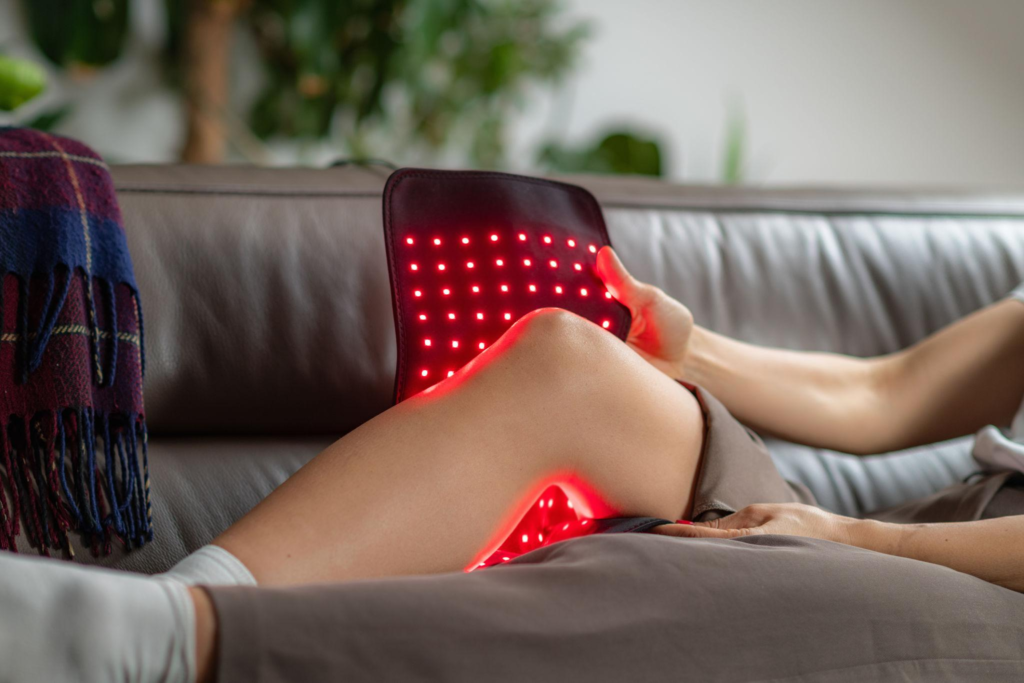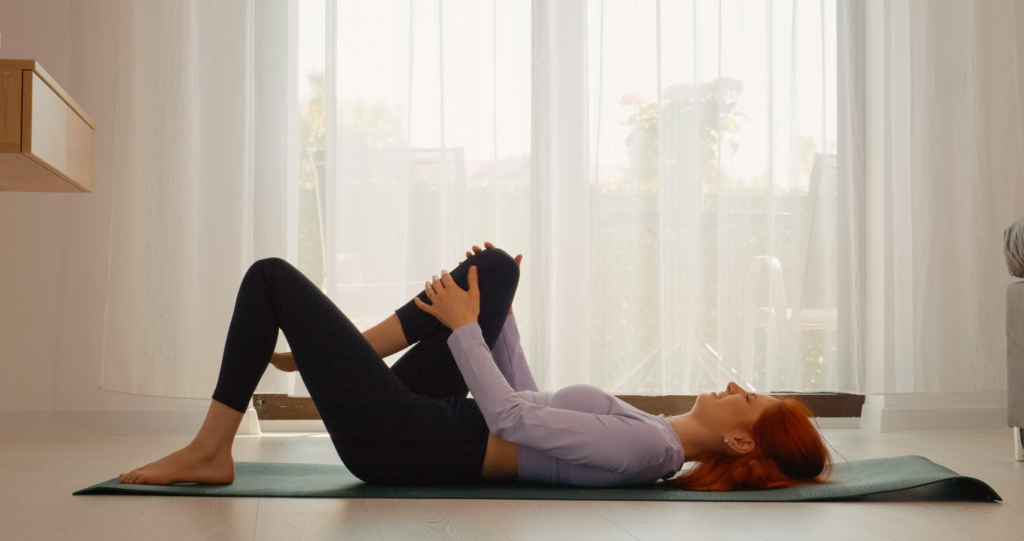
Knee pain can affect almost every part of daily life. Walking, climbing stairs, exercising, working, and even sleeping may become uncomfortable when the knees are stiff, inflamed, or painful. While some cases improve quickly, others become chronic and frustrating if the underlying causes are not properly addressed.
The good news is that many knee pain relief methods actually work when matched correctly to the type of pain you are experiencing. The key is understanding that there is no single universal solution. Some people respond best to exercise and mobility work, while others benefit more from braces, cold therapy, weight management, or medical treatment.
This guide covers some of the most effective knee pain relief strategies, including home treatments, exercises, supportive products, supplements, and professional treatment options.
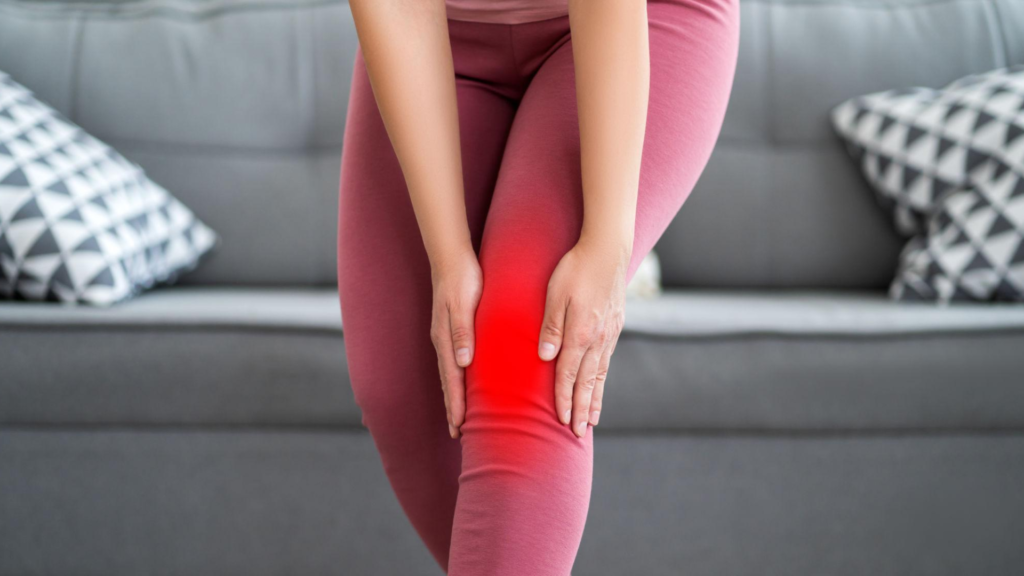
What Causes Knee Pain?
Knee pain can develop for many different reasons.
Common causes include:
- overuse
- arthritis
- inflammation
- muscle tightness
- tendon irritation
- sports injuries
- excess stress on the joint
The best relief method often depends on the specific cause and severity of symptoms.
Cold Therapy for Swelling and Inflammation
Cold therapy is one of the fastest ways to reduce inflammation and discomfort.
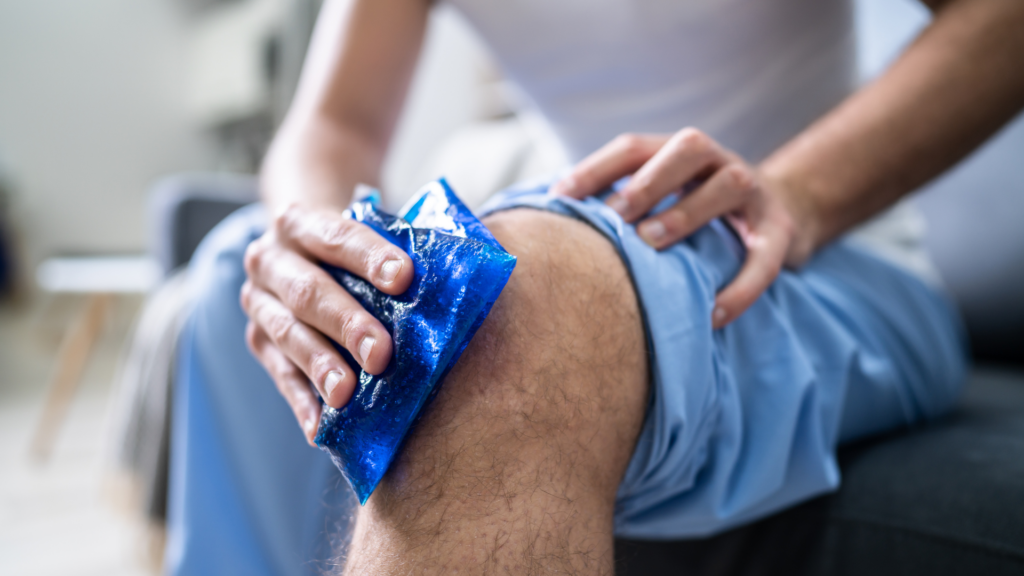
Ice therapy may help:
- reduce swelling
- numb pain
- calm inflammation
- improve comfort after activity
Cold therapy is especially useful:
- after exercise
- during flare-ups
- for swollen knees
- after minor injuries
Most people benefit from:
- 15 to 20-minute sessions
- several times per day if needed
Heat Therapy for Stiffness
Heat works differently from ice.
It may help:
- relax muscles
- reduce stiffness
- improve circulation
- increase mobility
Heat is often more effective for:
- chronic pain
- arthritis
- morning stiffness
- tight muscles
Read also: Ice vs Heat for Knee Pain: What Works Best?
Knee Braces and Compression Sleeves
Knee braces are commonly used to improve support and reduce stress on the joint.
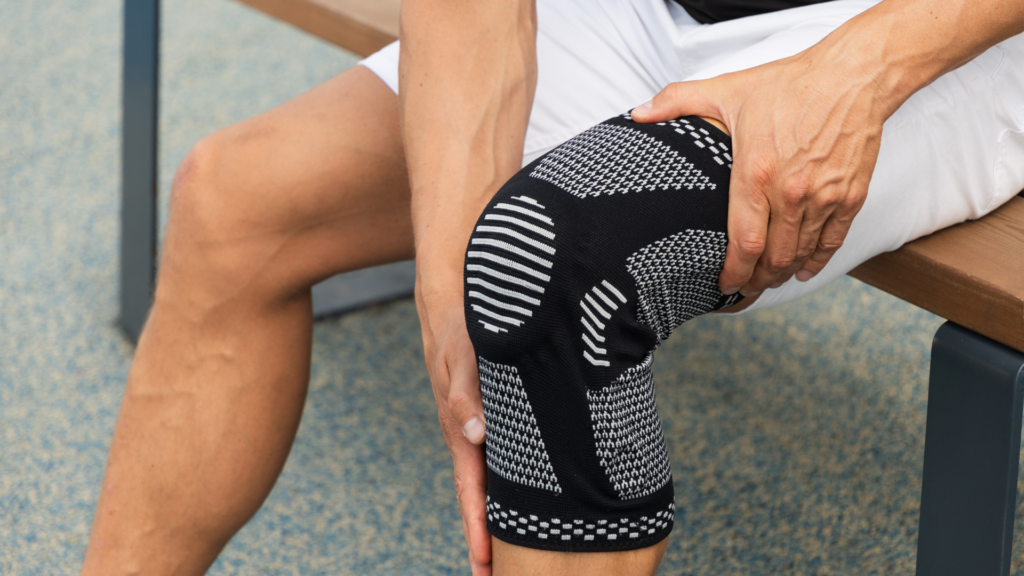
They may help:
- increase stability
- reduce discomfort during movement
- support weak knees
- improve confidence while walking or exercising
Different types of braces work better for different situations.
Examples include:
- compression sleeves
- hinged braces
- patellar straps
Read also: Best Knee Pain Relief Products (2026 Guide)
Exercise and Mobility Work
One of the biggest mistakes people make is avoiding movement completely.
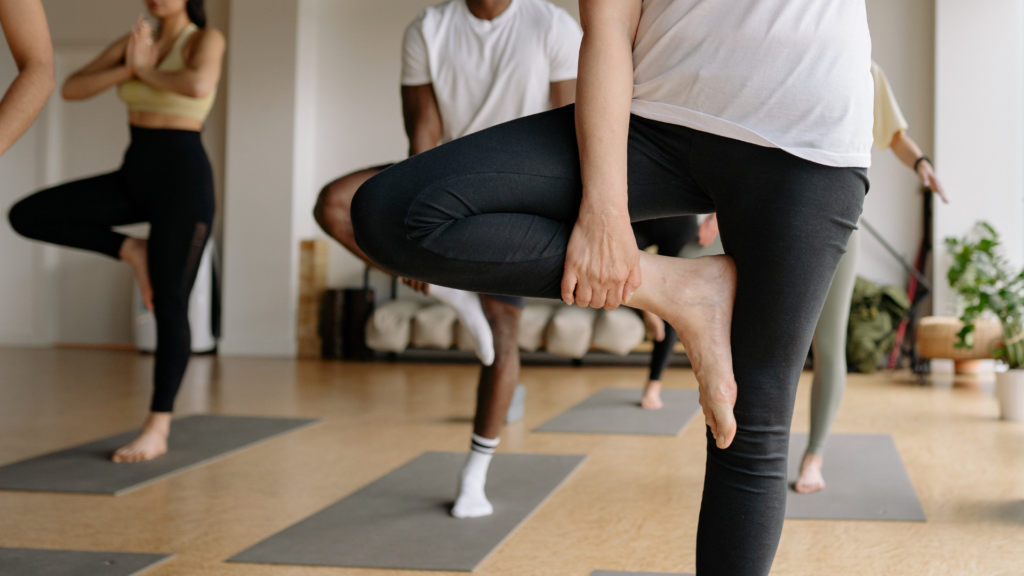
Proper exercise helps:
- strengthen muscles around the knee
- improve stability
- reduce stiffness
- support joint function
- improve mobility long-term
Helpful exercises often include:
- leg raises
- hamstring stretches
- glute bridges
- mobility work
- low-impact cardio
Read also: Top Exercises for Knee Pain (Backed by Experts)
Weight Management and Joint Stress
Extra body weight increases pressure on the knees significantly.
Even moderate weight reduction may help:
- reduce stress on the joint
- improve mobility
- decrease inflammation
- reduce pain during walking
For many people, this becomes one of the most important long-term relief strategies.
Supplements for Knee Pain Relief
Some people use supplements to support joint health and reduce discomfort.

Common options include:
- glucosamine
- chondroitin
- collagen
- omega-3 fatty acids
Research results are mixed, but some individuals report gradual improvement over time.
Supplements are usually most effective when combined with:
- exercise
- mobility work
- recovery strategies
Activity Modification
Certain activities may worsen knee pain temporarily.
Common triggers include:
- excessive running
- deep squats
- jumping
- repetitive stair climbing
Reducing irritation while staying moderately active often helps recovery.
Medical Treatments for Knee Pain
Some cases require professional treatment.
Depending on the cause, medical approaches may include:
- physical therapy
- anti-inflammatory medication
- injections
- imaging tests
- orthopedic evaluation
According to the Mayo Clinic, knee pain can result from injuries, arthritis, mechanical problems, and overuse.
When Should You See a Doctor?
You should consider medical evaluation if:
- swelling is severe
- pain becomes intense suddenly
- the knee feels unstable
- symptoms last several weeks
- movement becomes restricted
Read also: When Should You See a Doctor for Knee Pain?
Common Mistakes That Slow Recovery
Many people accidentally prolong knee pain by:
- returning to exercise too quickly
- remaining inactive for too long
- ignoring mobility work
- using the wrong knee pain treatment method
- relying only on pain creams
Successful recovery usually requires consistency and a combination of strategies.
Final Thoughts
The best knee pain relief methods depend on the type and cause of your symptoms. For some people, simple changes such as exercise, stretching, cold therapy, or compression support provide significant improvement. Others may require more advanced treatment or medical guidance.
In most cases, combining multiple approaches produces the best results:
- movement and strengthening
- proper recovery
- supportive products
- reducing excessive stress on the joint
- long-term consistency
Understanding what actually works can help you reduce pain, improve mobility, and return to daily activities more comfortably.