
When knee pain appears, one of the most common questions people ask is whether they should use ice or heat. Both can help relieve discomfort, but they work in completely different ways. Using the wrong one at the wrong time may actually make symptoms worse.
In general, ice is better for swelling and inflammation, while heat is better for stiffness and muscle tightness. The challenge is understanding which type of pain you are dealing with and when each treatment makes the most sense.
This guide explains the differences between cold and heat therapy, when to use each one, and how to apply them safely for the best results.
How Ice Therapy Works
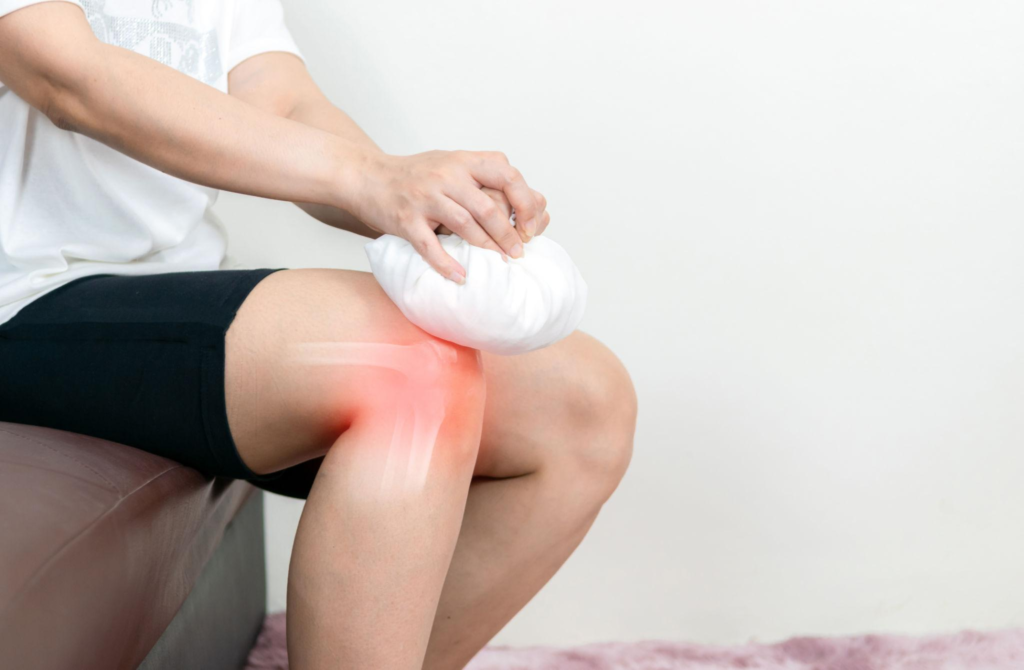
Ice therapy, also called cold therapy or cryotherapy, helps reduce inflammation and swelling by narrowing blood vessels around the injured area.
Cold therapy can help:
- reduce swelling
- numb pain
- calm inflammation
- decrease irritation after activity
Ice is usually most effective during the early stages of pain or after activities that irritate the knee.
When Ice Is Usually Best
Ice therapy is often recommended if:
- the knee looks swollen
- the area feels warm
- pain started recently
- discomfort increases after exercise
- inflammation is present
Common situations include:
- sports injuries
- overuse after workouts
- knee swelling
- flare-ups after long walks or standing
How to Use Ice Correctly
To apply cold therapy safely:
- use ice for 15 to 20 minutes
- place a towel between ice and skin
- repeat several times per day if needed
- avoid falling asleep with ice on the knee
Reusable gel wraps are often more convenient because they mold around the joint.
Common Mistakes With Ice Therapy
Many people overuse ice or apply it incorrectly.
Common mistakes include:
- applying ice directly to skin
- using ice too long
- icing stiff knees without swelling
- expecting ice to solve chronic pain alone
Cold therapy works best for inflammation, not long-term stiffness.
How Heat Therapy Works
Heat therapy increases blood flow to the area and helps relax muscles and surrounding tissues.
Heat can help:
- reduce stiffness
- improve mobility
- relax tight muscles
- increase comfort before movement
Also, heat is often more helpful for chronic pain than acute injuries.
When Heat Is Usually Best
Heat therapy may work well if:
- the knee feels stiff
- pain is chronic rather than sudden
- there is no noticeable swelling
- discomfort is worse after inactivity
- arthritis symptoms are present
Many people benefit from heat in the morning or before exercise.
Read also: Knee Pain at Night: Causes and Simple Fixes
Best Ways to Apply Heat
Common heat therapy options include:
- heating pads
- warm towels
- hot water bottles
- warm baths
Apply heat for:
- 15 to 20 minutes at a time
- before stretching or mobility work
Common Mistakes With Heat Therapy
Using heat at the wrong time can worsen symptoms.
Avoid heat if:
- the knee is visibly swollen
- the area feels hot or inflamed
- pain started immediately after injury
Applying heat to an inflamed knee may increase swelling.
Should You Ever Use Both?
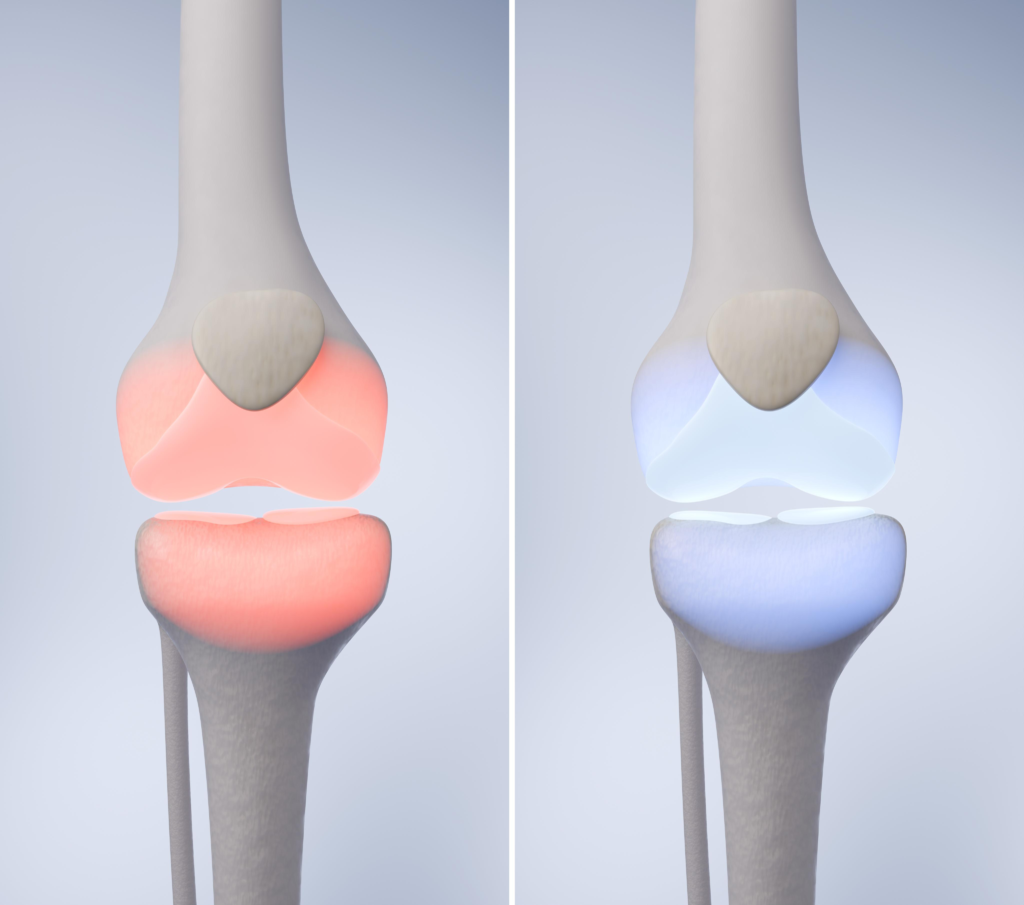
Yes. Some people benefit from alternating heat and ice depending on symptoms.
Example:
- ice after exercise to reduce inflammation
- heat later for stiffness and recovery
This approach is sometimes called contrast therapy.
Ice vs Heat: Quick Comparison
| Situation | Better Option |
|---|---|
| Swelling after activity | Ice |
| Recent injury | Ice |
| Warm, inflamed knee | Ice |
| Morning stiffness | Heat |
| Arthritis discomfort | Heat |
| Tight muscles around knee | Heat |
What About Chronic Knee Pain?
Chronic knee pain often responds better to a combination of approaches:
- heat therapy
- mobility exercises
- strengthening work
- temporary activity modification
Read also: Top Exercises for Knee Pain (Backed by Experts)
When Ice or Heat Is Not Enough
If symptoms continue despite home knee pain treatment, it may be time to seek medical advice.
Important warning signs include:
- severe swelling
- instability
- inability to walk properly
- pain lasting several weeks
- locking or catching sensations
Read also: When Should You See a Doctor for Knee Pain?
Final Thoughts
Ice and heat can both help knee pain, but they serve different purposes.
In most cases:
- use ice for swelling and inflammation
- use heat for stiffness and tightness
Paying attention to how your knee responds is important. Many people find the best results come from combining multiple strategies, including mobility work, proper recovery, and reducing activities that overload the joint.