
Knee pain creams are among the most popular over-the-counter products used to relieve soreness, stiffness, and discomfort. While these products do not treat the underlying cause of knee pain, they may help reduce symptoms and improve comfort during daily activities.
Different creams use different ingredients, and some may work better than others depending on the type of pain involved.
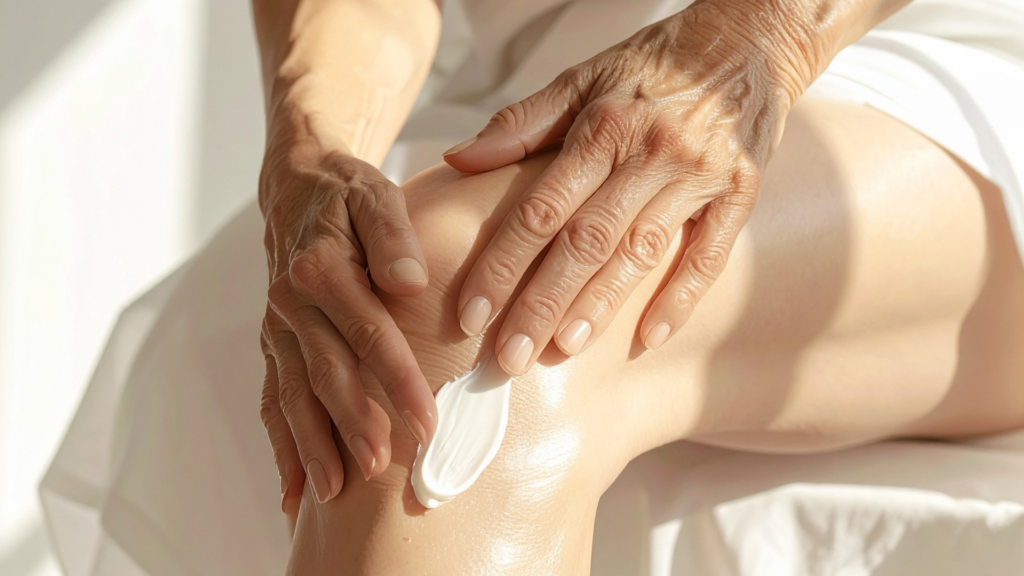
How Do Knee Pain Relief Creams Work?
Most creams provide relief through one or more mechanisms:
- creating a cooling sensation
- producing warmth
- reducing inflammation
- temporarily blocking pain signals
- improving blood flow
The effectiveness of a cream often depends on its active ingredients and the cause of the pain.
Common Ingredients Found in Knee Pain Creams
Several ingredients are commonly used in topical pain relievers.
| Ingredient | Purpose |
|---|---|
| Menthol | Cooling sensation |
| Camphor | Warming effect |
| Capsaicin | Reduces pain signals |
| Lidocaine | Temporary numbing |
| Diclofenac | Anti-inflammatory |
| Arnica | Natural pain relief |
People with arthritis may benefit from anti-inflammatory ingredients, while others prefer cooling or warming products.
Types of Creams for Knee Pain
Different creams are designed for different purposes.
| Type of Cream | Best For |
|---|---|
| Cooling creams | Muscle soreness |
| Heating creams | Stiff joints |
| Anti-inflammatory gels | Arthritis pain |
| Numbing creams | Temporary pain relief |
| Natural creams | Mild discomfort |
Choosing the right type often depends on your symptoms.
Are Knee Pain Creams Effective?
Many people experience temporary relief from topical products.
Creams may help:
- reduce soreness
- improve comfort during activity
- ease stiffness
- provide temporary pain relief
However, creams rarely address the root cause of chronic knee pain.
Combining topical products with exercise and mobility work usually provides better long-term results.
Read also: Top Exercises for Knee Pain
Which Cream Is Best for Arthritis?
People with arthritis often prefer products that contain anti-inflammatory ingredients.
Common options include:
- diclofenac gel
- capsaicin cream
- menthol-based products
- natural creams containing arnica
Results vary from person to person, and finding the right product sometimes requires experimentation.
Read also: Can Knee Pain Be Arthritis?
Cooling Creams vs Heating Creams
Both types may provide relief, but they work differently.
| Feature | Cooling Creams | Heating Creams |
|---|---|---|
| Sensation | Cold | Warm |
| Best For | Recent soreness | Stiffness |
| Helps Relax Muscles | Moderate | High |
| Helps Reduce Swelling | Moderate | Low |
| Comfort Before Exercise | Good | Excellent |
Some people alternate between both depending on symptoms.
Read also: Ice vs Heat for Knee Pain
Natural Creams for Knee Pain
People seeking natural alternatives often choose creams containing:
- arnica
- menthol
- eucalyptus
- turmeric
- essential oils
These products may provide mild relief, although scientific evidence varies.
Read also: Does Turmeric Help Knee Pain?
Common Mistakes People Make
Many people unintentionally limit the effectiveness of pain creams by:
- expecting permanent relief
- applying too little product
- ignoring exercise and mobility
- using creams on severe injuries without medical evaluation
- relying exclusively on topical treatments
Topical products are often most effective when used alongside a comprehensive treatment approach.
Other Ways to Relieve Knee Pain
In addition to creams, many people benefit from:
- stretching
- strengthening exercises
- walking
- weight management
- knee braces
- heat and cold therapy
Read also:
- Best Knee Braces for Support and Pain Relief
- Best Stretches for Stiff Knees
- Walking for Knee Pain: Benefits and Risks
When Should You See a Doctor?
You should consider medical evaluation if:
- pain becomes severe
- swelling increases significantly
- walking becomes difficult
- the knee feels unstable
- symptoms persist despite treatment
Read also: When Should You See a Doctor for Knee Pain?
Frequently Asked Questions
What is the best cream for knee pain?
The best cream depends on the cause of the pain. Common options include menthol creams, capsaicin creams, and anti-inflammatory gels.
Do knee pain creams really work?
Many creams provide temporary relief, especially for mild arthritis and muscle soreness.
What cream is best for arthritis knee pain?
Anti-inflammatory products containing diclofenac are often used for arthritis-related knee pain.
Are natural creams effective?
Natural creams may help mild pain and stiffness, although scientific evidence varies.
Can pain creams cure knee pain?
No. Creams provide symptom relief but do not cure the underlying condition.
Final Thoughts
The best creams for knee pain can provide temporary relief from soreness, stiffness, and arthritis-related discomfort. Whether you prefer cooling, heating, anti-inflammatory, or natural products, choosing the right cream depends on the type of pain you are experiencing.
For lasting improvement, topical products should be combined with exercise, mobility work, and treatment of the underlying cause of the pain.