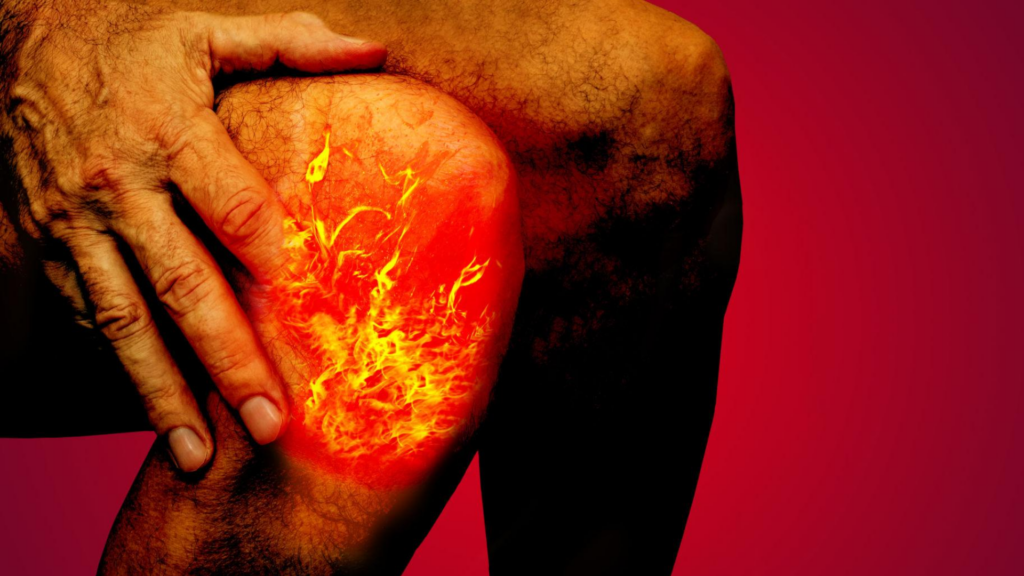
Knee pain is one of the most common symptoms of arthritis. While many people associate knee pain with injuries or overuse, arthritis is actually one of the leading causes of chronic knee discomfort, especially among older adults.
Arthritis develops when the structures inside the joint gradually change over time, leading to inflammation, stiffness, pain, and reduced mobility. Symptoms may appear slowly and worsen gradually, making them easy to ignore during the early stages.
The good news is that many people successfully manage arthritis symptoms through exercise, weight management, mobility work, and lifestyle changes that support joint health.
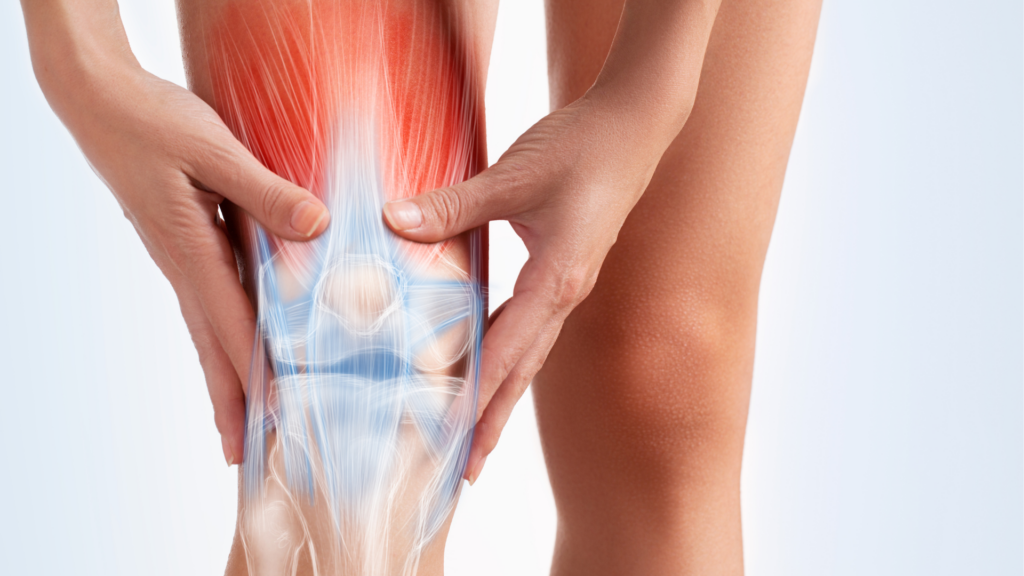
What Is Arthritis?
Arthritis is a condition that affects the joints and surrounding tissues.
In the knee, arthritis may contribute to:
- pain
- stiffness
- swelling
- reduced flexibility
- discomfort during movement
Symptoms often develop gradually rather than appearing suddenly.
Common Signs of Knee Arthritis
People with knee arthritis often experience:
- aching knee pain
- stiffness after inactivity
- swelling
- reduced range of motion
- discomfort during walking
- pain during stairs
Symptoms may vary from mild to severe depending on the extent of joint changes.
Morning Stiffness
One of the most common signs of arthritis is stiffness after periods of inactivity.
People often notice:
- stiffness in the morning
- discomfort after sitting
- difficulty taking the first few steps
- reduced flexibility initially
Movement often helps loosen the joint temporarily.
Pain During Activity
Arthritis-related pain commonly appears during:
- walking
- stair climbing
- standing for long periods
- exercise
- daily activities
Symptoms may worsen as activity levels increase.
Swelling Around the Knee
Inflammation may contribute to swelling around the joint.
People may notice:
- puffiness around the knee
- tightness
- warmth
- reduced flexibility
Swelling may fluctuate depending on activity levels and inflammation.
Grinding and Cracking Sounds
Some people with arthritis experience:
- cracking sounds
- popping sensations
- grinding feelings during movement
These symptoms may become more noticeable as joint surfaces become less smooth over time.
Read also: Why Does My Knee Crack?
Risk Factors for Knee Arthritis
Several factors may increase the likelihood of arthritis.
Common risk factors include:
- aging
- excess body weight
- previous knee injuries
- repetitive joint stress
- family history
- physically demanding occupations
The presence of risk factors does not guarantee arthritis, but they may increase the likelihood.
Can Arthritis Cause Knee Instability?
In some cases, arthritis may contribute to feelings of weakness or instability.
People sometimes describe:
- buckling
- reduced confidence while walking
- difficulty on stairs
- occasional giving-out sensations
Read also: Why Does My Knee Give Out?
Exercise Can Help
Many people assume exercise worsens arthritis, but the opposite is often true.
Appropriate exercise may help:
- improve mobility
- reduce stiffness
- strengthen surrounding muscles
- improve joint support
- reduce discomfort over time
Low-impact activities are often recommended.
Best Exercises for Knee Arthritis
Helpful exercises may include:
- walking
- cycling
- swimming
- leg raises
- glute bridges
- gentle strengthening exercises
The goal is to improve strength without excessive joint stress.
Read also: Exercises for Knee Arthritis
Weight Management and Knee Health
Body weight plays a major role in knee joint stress.
Even modest weight loss may help:
- reduce pressure on the knees
- improve mobility
- decrease discomfort
- support long-term joint health
This can be an important part of arthritis management for many people.
Can Supplements Help?
Some people use supplements to support joint health.
Popular options include:
- glucosamine
- chondroitin
- omega-3 fatty acids
Results vary between individuals, and supplements should be viewed as part of a broader management plan.
Read also: Glucosamine Chondroitin for Knee Pain: Does It Work?
Common Mistakes People Make
Many people unintentionally worsen arthritis symptoms by:
- remaining inactive too long
- avoiding exercise completely
- ignoring stiffness
- delaying treatment
- pushing through severe pain
Consistent movement is often more beneficial than complete rest.
When Should You See a Doctor?
You should consider medical evaluation if:
- pain continues worsening
- swelling becomes severe
- walking becomes difficult
- mobility declines significantly
- symptoms interfere with daily activities
Early diagnosis often helps improve long-term management.
Read also: When Should You See a Doctor for Knee Pain?
Final Thoughts
Yes, knee pain can be arthritis, especially when symptoms include stiffness, swelling, reduced mobility, and discomfort after inactivity. Arthritis is one of the most common causes of chronic knee pain and often develops gradually over time.
The good news is that many people successfully manage symptoms through exercise, mobility work, weight management, and appropriate treatment strategies that support long-term joint health.