
Walking is one of the most common forms of exercise, and many people with knee pain wonder whether they should keep walking or rest their joints. While movement is generally beneficial, the answer depends on the underlying cause of the pain and the severity of symptoms.
For many people, regular walking helps maintain mobility, strengthen supporting muscles, and improve overall joint health. However, excessive walking or walking through severe pain may sometimes make symptoms worse.
Understanding the potential benefits and risks can help you find the right balance.
Read also: Top Exercises for Knee Pain (Backed by Experts)
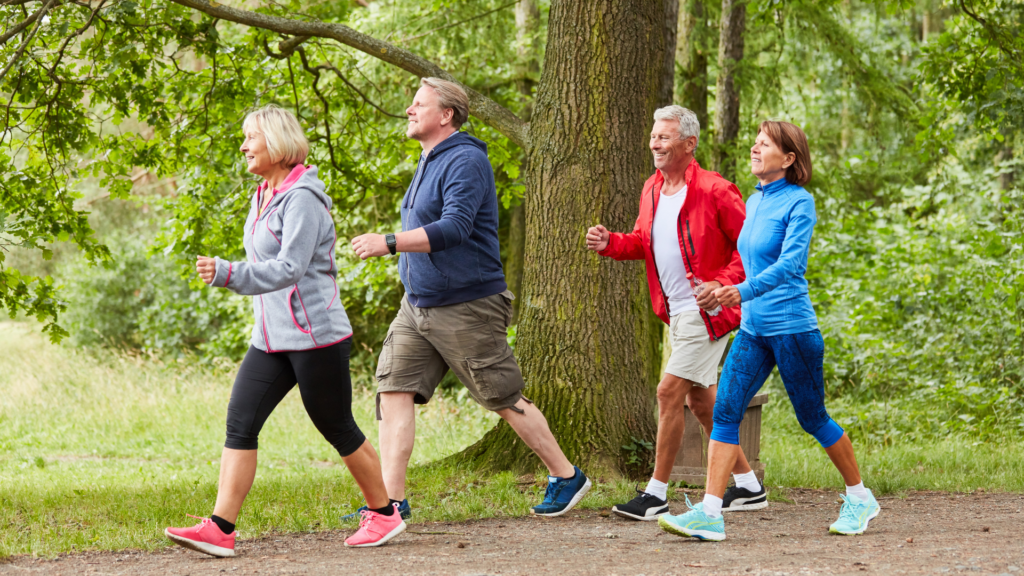
Is Walking Good for Knee Pain?
In many cases, yes.
Walking is considered a low-impact activity that may help:
- improve circulation
- strengthen supporting muscles
- maintain flexibility
- reduce stiffness
- support healthy body weight
Regular movement is often recommended for people with mild arthritis and chronic knee pain.
Read also: Walking vs Rest for Knee Pain
Benefits of Walking
Walking offers numerous benefits beyond the knee joint itself.
Potential advantages include:
- improved mobility
- better cardiovascular health
- increased muscle strength
- reduced joint stiffness
- improved balance
- support for weight management
These benefits often contribute to better long-term joint function.
| Benefit | Impact on Knee Health |
|---|---|
| Improved mobility | High |
| Reduced stiffness | High |
| Weight management | Very high |
| Better circulation | Moderate |
| Improved balance | Moderate |
| Cardiovascular fitness | Moderate |
Why Walking Helps Arthritis
People with arthritis often avoid movement because they fear worsening their symptoms.
In reality, moderate activity may help:
- lubricate the joints
- improve flexibility
- reduce stiffness
- maintain muscle strength
Many healthcare professionals encourage regular walking as part of an arthritis management plan.
Read also: Can Knee Pain Be Arthritis?
When Walking Can Make Knee Pain Worse
Walking is not always beneficial.
You should be cautious if you experience:
- severe pain
- significant swelling
- instability
- locking sensations
- sudden worsening symptoms
These situations may require medical evaluation before continuing exercise.
Read also: Signs Your Knee Pain Is Serious
Common Causes of Pain While Walking
Several conditions may contribute to discomfort during walking.
Common causes include:
- osteoarthritis
- tendon irritation
- overuse injuries
- muscle weakness
- poor biomechanics
Treating the underlying problem is often more important than simply reducing activity.
Read also: Stationary Bike for Knee Pain
How Much Walking Is Too Much?
The ideal amount varies from person to person.
A gradual approach is usually best.
| Activity Level | General Recommendation |
|---|---|
| Severe pain | Consult a healthcare professional |
| Mild discomfort | Short walks may help |
| Moderate symptoms | Moderate daily walking |
| Improving symptoms | Gradually increase activity |
| No pain | Maintain regular activity |
Listening to your body is essential.
Read also: Yoga for Knee Pain: Benefits and Risks
Tips for Walking With Knee Pain
Simple adjustments can make walking more comfortable.
Helpful strategies include:
- wear supportive shoes
- walk on even surfaces
- start slowly
- increase distance gradually
- maintain good posture
- avoid steep hills initially
Small changes can reduce stress on the knees.
Walking and Weight Loss
Body weight has a major influence on knee health.
Walking may help:
- burn calories
- improve fitness
- reduce stress on the joints
- support long-term mobility
Even modest weight loss can significantly decrease the load placed on the knees.
Should You Rest Instead?
Rest can be helpful during acute flare-ups, but prolonged inactivity often creates additional problems.
Too much rest may lead to:
- muscle weakness
- increased stiffness
- reduced flexibility
- worsening mobility
For many people, controlled movement is more beneficial than complete rest.
Other Exercises That May Help
Walking is only one option.
Other low-impact activities include:
- cycling
- swimming
- stretching
- strength training
- mobility exercises
A varied approach often produces the best long-term results.
Read also:
Common Mistakes People Make
Many people unintentionally worsen symptoms by:
- doing too much too soon
- ignoring severe pain
- wearing poor footwear
- avoiding exercise completely
- neglecting strengthening exercises
Progressive activity usually produces better results.
| Mistake | Possible Consequence |
|---|---|
| Overdoing activity | Increased pain |
| Complete inactivity | Muscle weakness |
| Ignoring symptoms | Delayed recovery |
| Poor footwear | Increased joint stress |
| Sudden increases in distance | Flare-ups |
When Should You See a Doctor?
You should consider medical evaluation if:
- pain continues worsening
- swelling becomes severe
- the knee gives out
- walking becomes increasingly difficult
- symptoms interfere with daily activities
Persistent symptoms may indicate an underlying condition requiring treatment.
Read also:
Final Thoughts
Walking for knee pain is beneficial for many people and may help improve mobility, reduce stiffness, and support overall joint health. However, walking through severe pain or ignoring worsening symptoms can lead to additional problems.
The key is finding the right balance. A gradual, consistent approach combined with strengthening exercises, healthy weight management, and proper medical care when needed can help support long-term knee health.