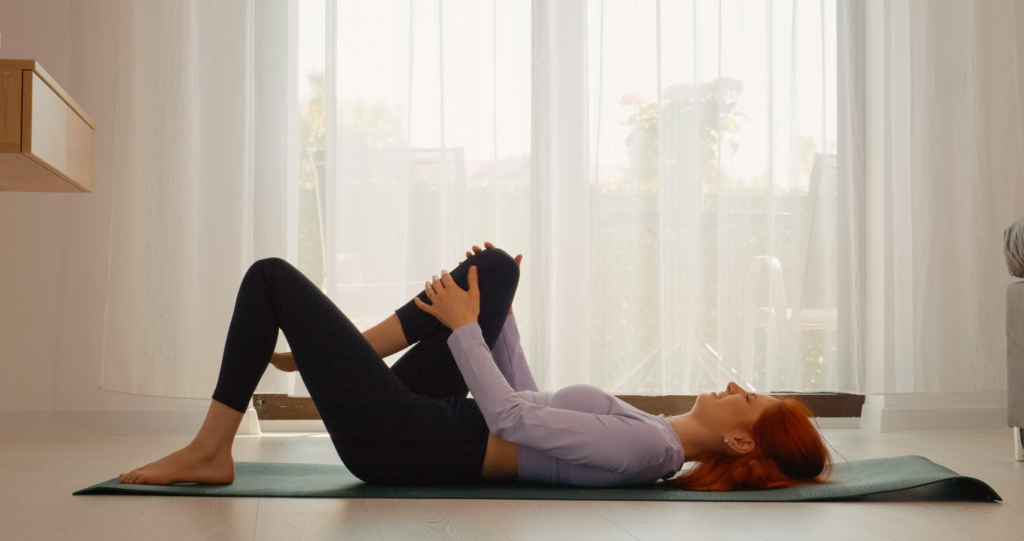
Swimming is often considered one of the best exercises for people with knee pain. Because water supports body weight and reduces stress on the joints, swimming allows many people to stay active without the impact associated with walking, running, or jumping.
For people with arthritis or chronic knee pain, swimming can help improve mobility, strengthen muscles, and maintain cardiovascular fitness while minimizing stress on the knees.
However, certain swimming strokes and techniques may be better than others depending on the cause of your pain.
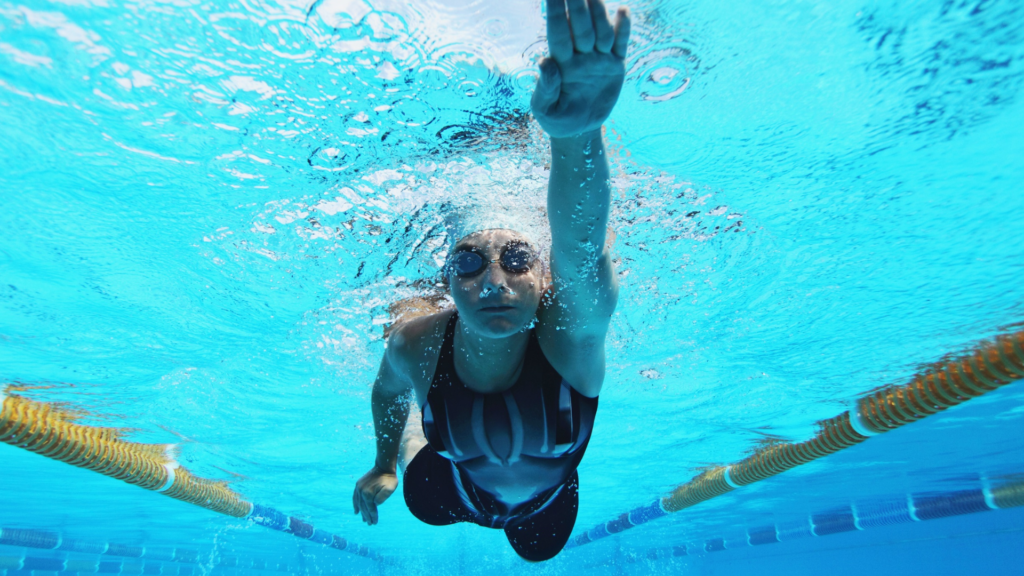
Is Swimming Good for Knee Pain?
For many people, yes.
Swimming may help:
- reduce pressure on the joints
- improve flexibility
- strengthen muscles
- maintain mobility
- support weight management
- improve cardiovascular health
Because of its low-impact nature, swimming is frequently recommended by doctors and physical therapists.
Read also: Low-Impact Cardio for Bad Knees
Benefits of Swimming
Swimming offers several advantages for knee health.
| Benefit | Importance |
|---|---|
| Reduced joint stress | Very High |
| Improved flexibility | High |
| Increased muscle strength | High |
| Better cardiovascular fitness | High |
| Weight management | High |
| Improved mobility | High |
The buoyancy of water allows movement with less pressure on painful joints.
Read also: Yoga for Knee Pain: Benefits and Risks
Swimming and Arthritis
People with knee arthritis often benefit from water-based exercise.
Swimming may help:
- reduce stiffness
- improve range of motion
- strengthen supporting muscles
- maintain physical function
- support overall mobility
Regular exercise is considered one of the most important tools for managing arthritis symptoms.
Read also: Exercises for Knee Arthritis
Which Swimming Strokes Are Best?
Not every swimming stroke places the same demands on the knees.
| Stroke | Knee Friendliness |
|---|---|
| Freestyle | Excellent |
| Backstroke | Excellent |
| Breaststroke | Moderate |
| Butterfly | Less suitable |
Breaststroke can place additional stress on the inner knee because of the kicking motion. Some people with knee pain find freestyle and backstroke more comfortable.
Swimming vs Other Exercises
Swimming is one of several low-impact activities that may help protect the knees.
| Exercise | Impact on Knees | Muscle Strengthening |
|---|---|---|
| Swimming | Very low | Moderate |
| Stationary bike | Very low | High |
| Walking | Low | Moderate |
| Running | High | Moderate |
Many people benefit from combining multiple activities.
Read also: Stationary Bike for Knee Pain
Water Walking and Pool Exercises
You do not need to swim laps to benefit from water exercise.
Other options include:
- water walking
- aqua aerobics
- gentle kicking exercises
- pool stretching
- resistance exercises in water
These activities may provide similar benefits with even less stress on the joints.
When Swimming May Make Knee Pain Worse
Although swimming is generally safe, certain situations require caution.
Symptoms that may worsen with swimming include:
- severe pain
- ligament injuries
- unstable knees
- recent surgery
- pain during kicking movements
If symptoms increase after swimming, modifying technique or choosing another activity may be necessary.
Read also: Signs Your Knee Pain Is Serious
Tips for Swimming Safely
To protect your knees while swimming:
- start slowly
- avoid painful strokes
- warm up before swimming
- focus on proper technique
- increase duration gradually
- stop if pain worsens
Moderation and consistency usually produce the best results.
Other Exercises That May Help
Swimming works well alongside other low-impact activities.
Helpful exercises include:
- walking
- stretching
- mobility exercises
- strengthening exercises
- stationary biking
Read also:
- Walking for Knee Pain: Benefits and Risks
- Best Stretches for Stiff Knees
- How to Strengthen Weak Knees
Common Mistakes People Make
Many people unintentionally aggravate symptoms by:
- doing too much too soon
- using improper technique
- relying only on swimming
- ignoring pain signals
- neglecting strengthening exercises
A balanced exercise program often produces the best long-term results.
When Should You See a Doctor?
You should consider medical evaluation if:
- knee pain continues worsening
- swelling becomes severe
- the knee gives out
- walking becomes difficult
- symptoms interfere with daily activities
Persistent symptoms may indicate an underlying condition requiring treatment.
Read also:
Final Thoughts
Swimming for knee pain is one of the safest and most effective forms of exercise for many people. The buoyancy of water reduces stress on the joints while allowing you to strengthen muscles, improve flexibility, and maintain overall fitness.
For best results, start gradually, choose knee-friendly strokes, and combine swimming with strengthening and mobility exercises to support long-term knee health.