Many people with knee pain worry that exercise will make their symptoms worse. Fortunately, cycling on a stationary bike is often considered one of the safest and most effective low-impact exercises for maintaining joint health.
Unlike running and other high-impact activities, a stationary bike places relatively little stress on the knees while helping improve mobility, strengthen muscles, and support overall fitness.
However, not every type of knee pain responds the same way, and proper bike setup is essential to avoid aggravating symptoms.
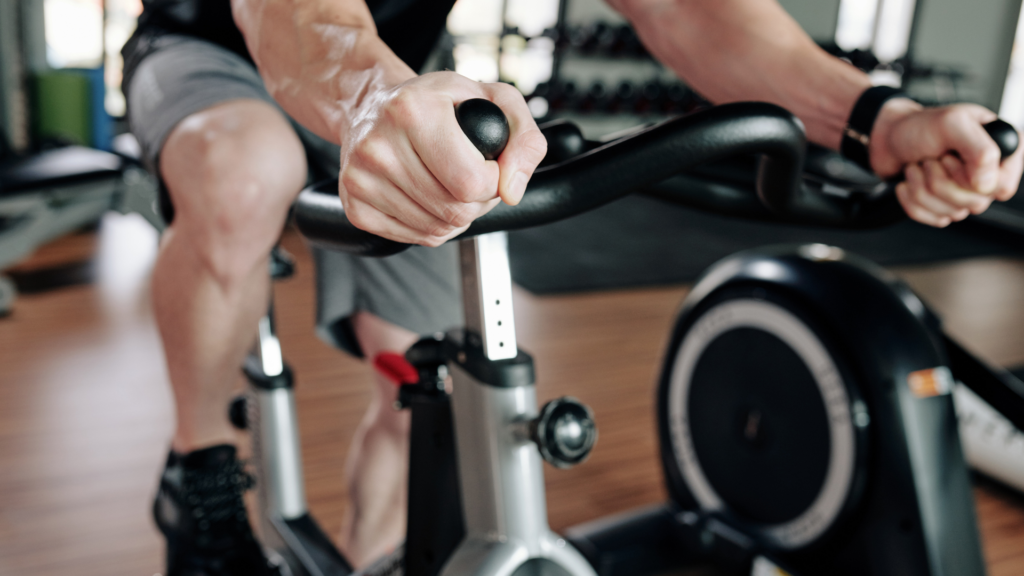
Is a Stationary Bike Good for Knee Pain?
For many people, yes.
A stationary bike may help:
- improve joint mobility
- reduce stiffness
- strengthen the quadriceps
- increase circulation
- support weight management
- improve cardiovascular fitness
Because cycling is low impact, it is often recommended for people with mild arthritis and chronic knee discomfort.
Read also: Walking for Knee Pain: Benefits and Risks
Benefits of Using a Stationary Bike
Regular cycling may provide several benefits for knee health.
| Benefit | Importance |
|---|---|
| Improved mobility | High |
| Reduced stiffness | High |
| Stronger leg muscles | High |
| Weight management | Very High |
| Cardiovascular health | Moderate |
| Better circulation | Moderate |
Stronger muscles around the knee help support the joint and reduce stress during daily activities.
Read also: Yoga for Knee Pain
Stationary Bike and Arthritis
People with arthritis often avoid movement because they fear making the pain worse.
In reality, gentle cycling may help:
- maintain flexibility
- reduce stiffness
- strengthen supporting muscles
- improve physical function
Many physical therapists recommend stationary biking as part of an arthritis exercise program.
Read also: Exercises for Knee Arthritis
Which Type of Stationary Bike Is Best?
Different bikes place slightly different demands on the knees.
| Bike Type | Knee Friendliness |
|---|---|
| Recumbent bike | Excellent |
| Upright bike | Very good |
| Spin bike | Moderate |
| High-resistance bike | Less suitable |
Recumbent bikes are often preferred by older adults and people with arthritis because they provide additional back support and reduce pressure on the knees.
How Long Should You Ride?
Beginners should start slowly.
A typical progression might include:
- 5 to 10 minutes initially
- low resistance
- gradual increases in duration
- maintaining a comfortable pace
Consistency is usually more important than intensity.
Common Bike Setup Mistakes
Improper bike positioning can increase knee stress.
Common mistakes include:
- seat too low
- excessive resistance
- poor posture
- pedaling too quickly
- increasing duration too fast
A properly adjusted bike should allow a slight bend in the knee at the bottom of the pedal stroke.
When Cycling May Make Knee Pain Worse
Cycling is not appropriate for everyone.
Symptoms that warrant caution include:
- severe pain
- locking sensations
- instability
- significant swelling
- pain that worsens after riding
In these situations, medical evaluation may be appropriate.
Read also: Signs Your Knee Pain Is Serious
Stationary Bike vs Walking
Both activities are low impact, but they stress the knees differently.
| Activity | Impact on Knees | Muscle Strengthening |
|---|---|---|
| Walking | Low | Moderate |
| Stationary bike | Very low | High |
| Running | High | Moderate |
| Swimming | Very low | Moderate |
Many people benefit from combining walking and cycling.
Tips for Riding Safely
To reduce the risk of irritation:
- warm up before riding
- use low resistance initially
- increase duration gradually
- avoid pain during exercise
- maintain proper posture
- wear supportive shoes
Small adjustments often make a significant difference.
Other Exercises That May Help
A stationary bike works best when combined with other forms of movement.
Helpful activities include:
- stretching
- strengthening exercises
- walking
- mobility work
- low-impact cardio
Read also:
Common Mistakes People Make
Many people unintentionally worsen symptoms by:
- using too much resistance
- starting too aggressively
- ignoring pain
- neglecting stretching
- using improper seat height
Gradual progression usually produces the best long-term results.
When Should You See a Doctor?
You should consider medical evaluation if:
- knee pain continues worsening
- swelling becomes severe
- walking becomes difficult
- the knee gives out
- symptoms interfere with daily activities
Persistent symptoms may indicate an underlying condition requiring treatment.
Read also:
Final Thoughts
A stationary bike for knee pain can be an excellent way to stay active while minimizing stress on the joints. For many people, cycling helps improve mobility, strengthen muscles, and reduce stiffness without the impact associated with running.
The key is starting slowly, maintaining proper bike setup, and listening to your body. Combined with stretching and strengthening exercises, stationary biking can be a valuable part of a long-term knee health program.