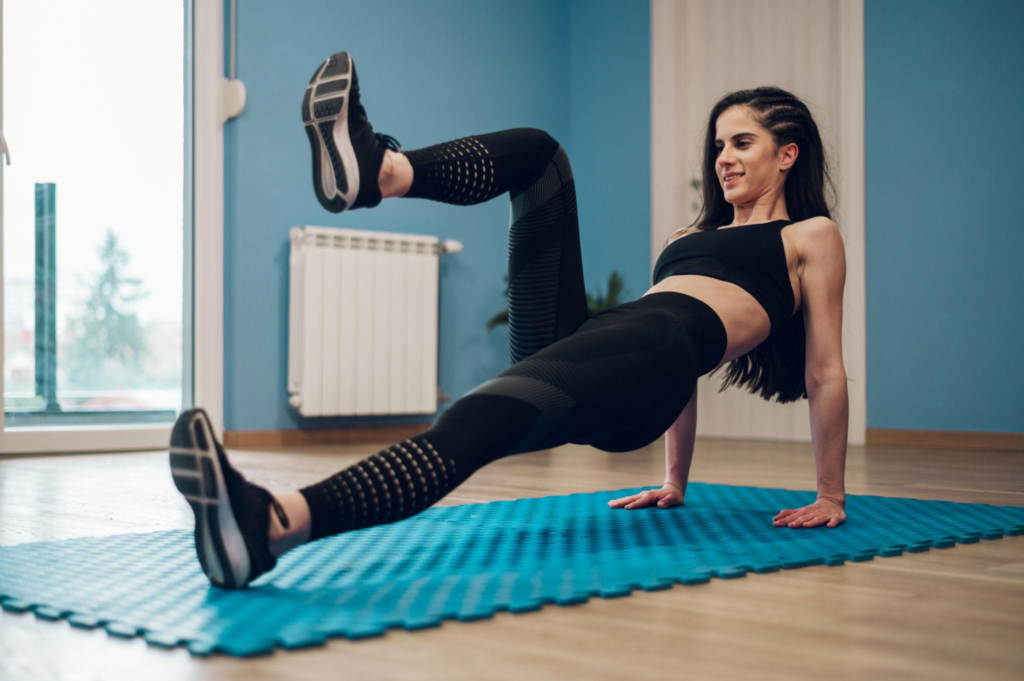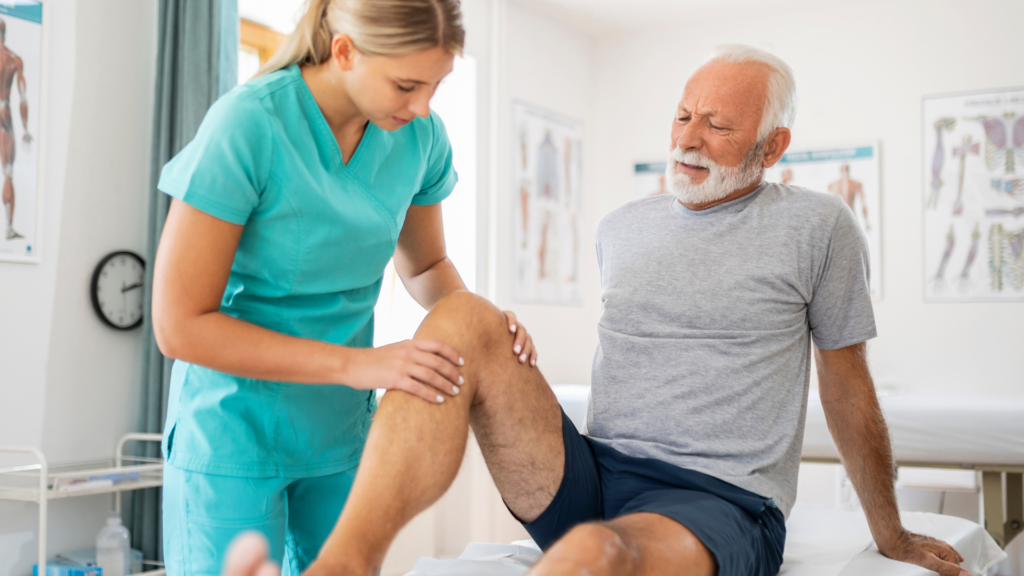
Stiff knees can make walking, standing up, exercising, and even simple daily activities uncomfortable. Many people notice stiffness after sitting for long periods, waking up in the morning, or following physical activity.
In many cases, stiffness develops because the muscles and tissues surrounding the knee become tight, weak, or inflamed. Limited mobility may also increase pressure on the joint and worsen discomfort over time.
The good news is that gentle stretching and mobility exercises can often help improve flexibility, reduce tightness, and support better movement. Consistency is important, and many people notice gradual improvement when stretching becomes part of a regular routine.
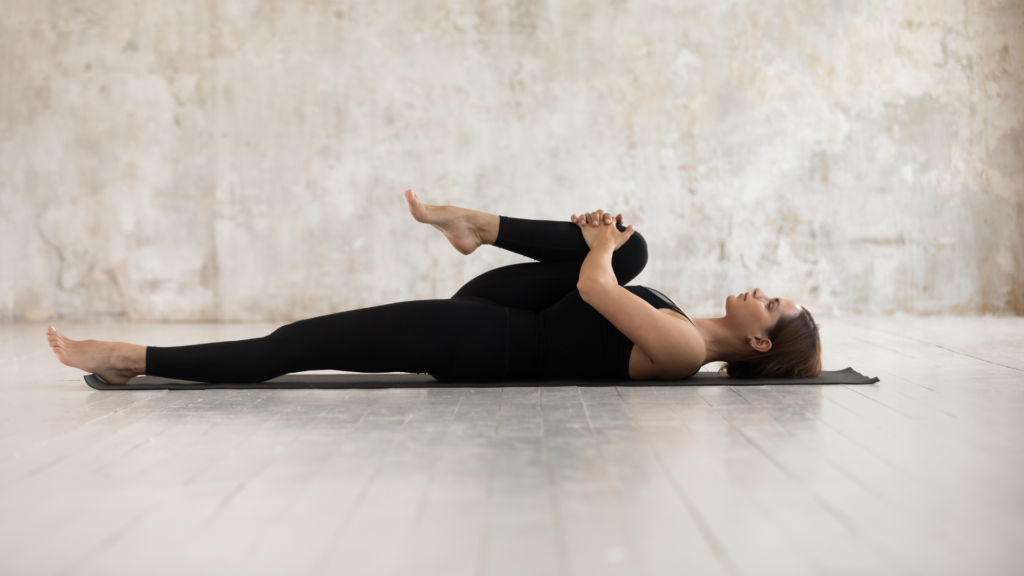
Why Knees Become Stiff
Knee stiffness may develop from several causes.
Common examples include:
- inactivity
- arthritis
- overuse
- muscle tightness
- inflammation
- repetitive stress
- aging-related joint wear
Tight muscles surrounding the knee often increase pressure on the joint and limit comfortable movement.
Benefits of Stretching for Stiff Knees
Regular stretching may help:
- improve flexibility
- reduce tightness
- support better movement
- improve circulation
- reduce joint stress
- improve mobility during walking and exercise
Stretching may also help the surrounding muscles work more efficiently and reduce excessive strain on the knee.
Important Stretching Tips
Before stretching:
- move gently
- avoid bouncing movements
- never force painful positions
- stretch consistently instead of aggressively
Mild tension is normal, but sharp pain should be avoided.
Read also: Stationary Bike for Knee Pain: Benefits and Risks
Hamstring Stretch
Tight hamstrings may increase stress behind the knee and limit flexibility.
To perform:
- sit with one leg extended
- keep the back straight
- gently lean forward
- hold for 20 to 30 seconds
This stretch may help reduce tightness behind the leg and improve knee movement.
Quadriceps Stretch
The quadriceps muscles play a major role in knee movement and stability.
To perform:
- stand while holding support if needed
- gently pull one foot toward the glutes
- keep knees close together
- hold for 20 to 30 seconds
This stretch may help reduce tension around the kneecap area.
Calf Stretch
Tight calves may affect walking mechanics and knee movement.
To perform:
- place hands against a wall
- step one leg backward
- keep the heel on the ground
- lean forward gently
Hold for:
- 20 to 30 seconds
This stretch may help improve lower-body flexibility and mobility.
Hip Flexor Stretch
Tight hips may change movement patterns and increase stress on the knees.
To perform:
- step into a lunge position
- gently shift hips forward
- keep the torso upright
- hold for 20 to 30 seconds
Improving hip flexibility often helps overall lower-body movement.
Seated Knee Flexion Stretch
This stretch may help improve bending mobility.
To perform:
- sit in a chair
- slowly slide the foot backward
- bend the knee gently
- stop before sharp pain occurs
Controlled movement may help reduce stiffness gradually over time.
Gentle Mobility Exercises
In addition to stretching, gentle mobility work may help:
- improve circulation
- warm up the joint
- reduce stiffness
- support better movement quality
Helpful examples include:
- leg swings
- slow knee bends
- controlled step-ups
- walking at a comfortable pace
Read also: Top Exercises for Knee Pain (Backed by Experts)
Should You Use Heat Before Stretching?
Some people find stretching easier after using heat therapy.
Heat may help:
- relax muscles
- improve flexibility
- reduce stiffness before movement
Warm showers or heating pads are commonly used before mobility work.
Read also: Ice vs Heat for Knee Pain: What Works Best?
Common Mistakes People Make
Many people unintentionally worsen stiffness by:
- stretching too aggressively
- remaining inactive too long
- skipping strengthening work
- forcing painful movements
- stretching inconsistently
Gentle consistency is usually more effective than intense stretching sessions.
When Should You See a Doctor?
You should consider medical evaluation if:
- stiffness becomes severe
- swelling increases significantly
- movement becomes difficult
- the knee feels unstable
- symptoms continue for several weeks
Read also: When Should You See a Doctor for Knee Pain?
Final Thoughts
Stiff knees are often linked to muscle tightness, inflammation, inactivity, and reduced mobility. While symptoms can become frustrating, regular stretching and gentle movement may help improve flexibility, reduce discomfort, and support better knee function over time.
Consistency, proper movement habits, and gradual progress are often the key to long-term improvement.