Many people with knee pain wonder whether they should stay active or rest completely. Some people avoid movement because they fear making the pain worse, while others continue walking despite discomfort without knowing whether it is actually helping.
The truth is that the answer depends on the cause and severity of the knee pain. In many cases, gentle walking may improve mobility, reduce stiffness, strengthen surrounding muscles, and support recovery. However, excessive walking or pushing through severe pain may sometimes worsen irritation and inflammation.
Understanding when walking helps and when rest is necessary can make a major difference in long-term knee health and recovery.

Why Walking Can Help Knee Pain
For many people, gentle walking may help:
- improve circulation
- reduce stiffness
- support joint mobility
- strengthen surrounding muscles
- improve flexibility
- support healthy movement patterns
Movement also helps lubricate the knee joint, which may improve comfort during daily activities.
Read also: Stationary Bike for Knee Pain: Benefits and Risks
Why Too Much Rest May Make Knee Pain Worse
Complete inactivity often causes:
- increased stiffness
- muscle weakness
- reduced mobility
- poorer circulation
- more discomfort during movement later
Weak surrounding muscles may increase stress on the knee over time, especially during walking, stair climbing, and exercise.
This is why many recovery programs encourage gentle movement instead of prolonged inactivity.
When Walking May Help Most
Walking is often beneficial for:
- mild stiffness
- arthritis-related discomfort
- recovery from inactivity
- general knee weakness
- mild overuse symptoms
Short, controlled walks are usually more effective than intense long-distance walking sessions.
When Rest May Be Better
Temporary rest may sometimes be necessary if:
- swelling becomes severe
- pain is sharp or intense
- walking causes worsening symptoms
- instability develops
- a recent injury occurred
Reducing activity temporarily may help calm inflammation and prevent additional irritation.
How Much Walking Is Too Much?
One common mistake is increasing activity too quickly.
Signs you may be overdoing it include:
- worsening pain after walking
- swelling
- stiffness lasting several hours
- limping
- pain that continues worsening daily
The goal is gradual movement without significant symptom flare-ups.
Walking Surfaces Matter
Certain surfaces place more stress on the knees.
Hard surfaces like:
- concrete
- steep hills
- uneven terrain
may aggravate symptoms more than:
- flat walking paths
- treadmills
- softer surfaces
Supportive footwear may also help reduce joint stress.
Proper Walking Technique
Walking mechanics may influence knee discomfort significantly.
Helpful habits include:
- maintaining upright posture
- taking controlled steps
- avoiding excessive impact
- wearing supportive shoes
- keeping walking pace comfortable
Poor movement mechanics sometimes increase stress on the knees unnecessarily.
Read also: Low-Impact Cardio for Bad Knees
Strengthening Still Matters
Walking alone is usually not enough to fully support long-term knee health.
Strengthening surrounding muscles may help:
- improve stability
- reduce joint stress
- improve walking comfort
- support recovery
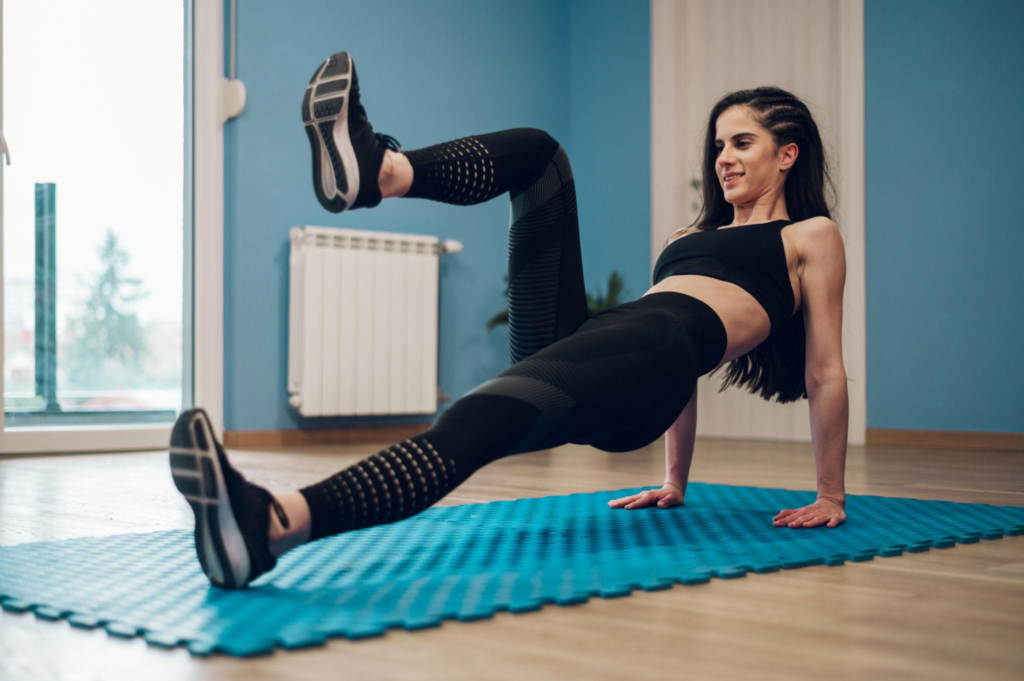
Helpful exercises often include:
- glute bridges
- leg raises
- step-ups
- balance exercises
Read also: Top Exercises for Knee Pain (Backed by Experts)
Stretching and Mobility Work
Tight muscles may increase stress on the knees during walking.
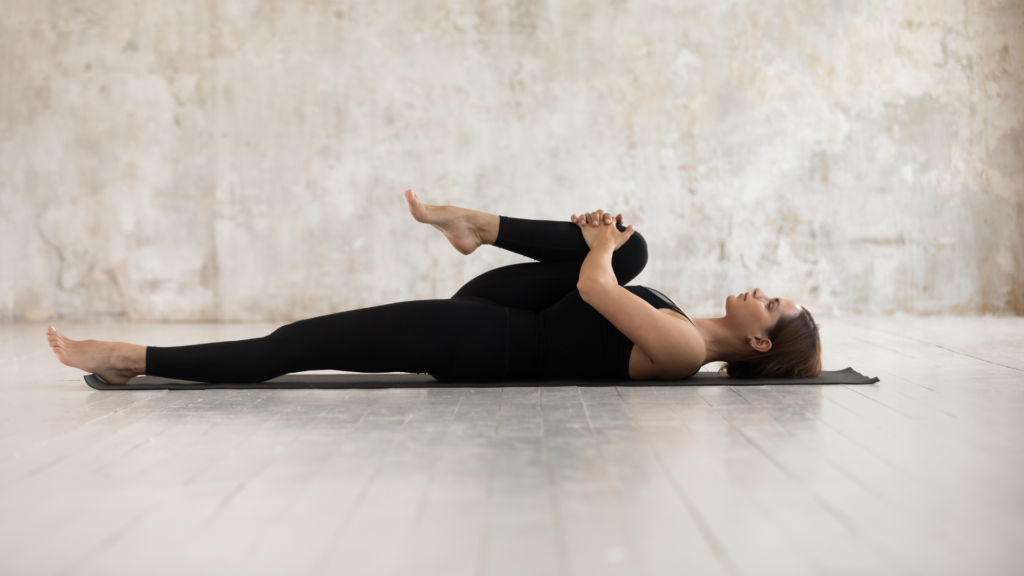
Helpful areas to stretch include:
- hamstrings
- calves
- quadriceps
- hips
Mobility work may improve:
- flexibility
- movement quality
- walking comfort
Read also: Best Stretches for Stiff Knees
Can a Knee Brace Help While Walking?
Some people benefit from:
- compression sleeves
- supportive knee braces
- patellar straps
These products may help:
- improve support
- reduce discomfort during movement
- improve confidence while walking
Read also: Best Knee Braces for Support and Pain Relief
Common Mistakes People Make
Many people unintentionally worsen knee pain by:
- remaining inactive too long
- increasing walking volume too quickly
- ignoring swelling and pain
- wearing unsupportive shoes
- skipping strengthening exercises
Balanced movement and gradual progress are usually more effective than extremes.
Read also: Worst Exercises for Knee Pain
When Should You See a Doctor?
You should consider medical evaluation if:
- pain worsens significantly
- swelling becomes severe
- walking becomes difficult
- the knee feels unstable
- symptoms continue for several weeks
Read also: When Should You See a Doctor for Knee Pain?
Final Thoughts
Walking may help many people improve mobility, reduce stiffness, and support long-term knee health when performed carefully and consistently. However, excessive walking or pushing through severe pain may worsen symptoms and delay recovery.
The best approach is usually balanced movement, proper recovery, strengthening exercises, and gradual progression based on symptom tolerance.