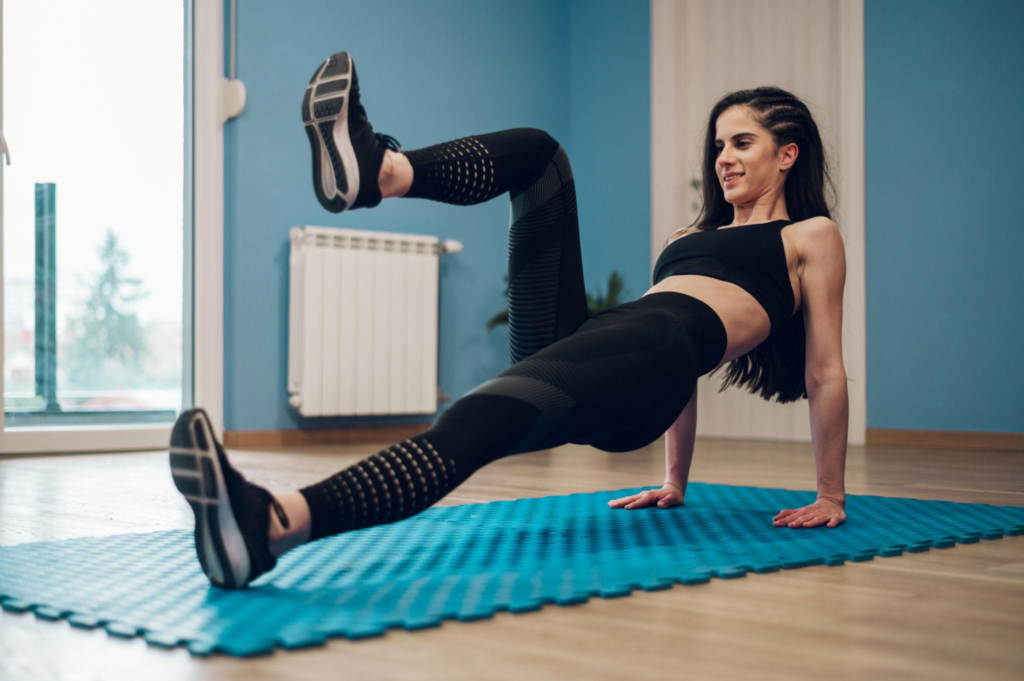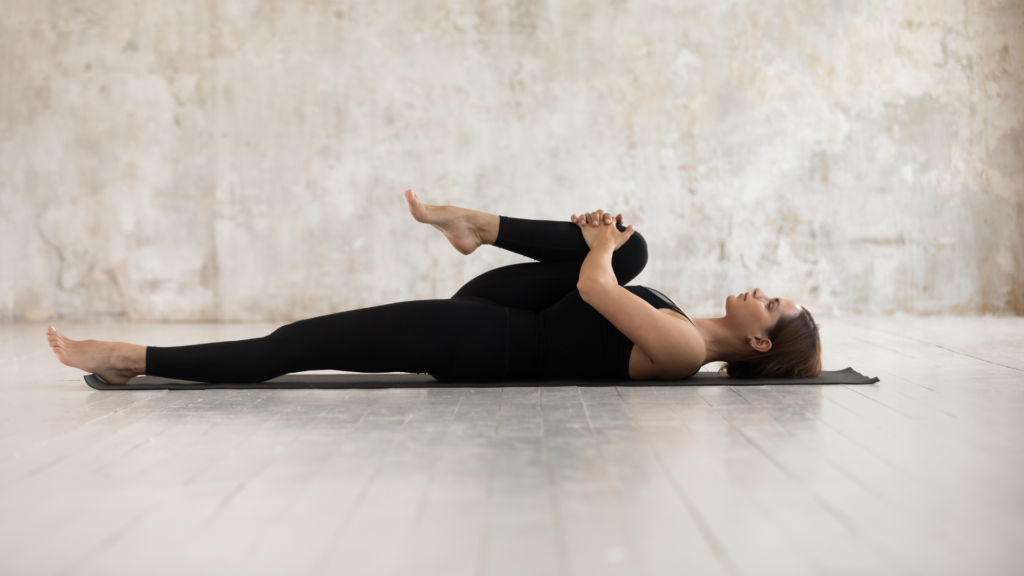
Exercise can be one of the best ways to improve knee strength, mobility, and long-term joint health. However, certain exercises may place excessive stress on the knees and worsen pain, inflammation, and stiffness, especially when performed incorrectly or too aggressively.
Many people accidentally aggravate knee problems by choosing high-impact movements, poor exercise form, or exercises that overload the joint before the surrounding muscles are strong enough to provide proper support.
The good news is that most people do not need to stop exercising completely. In many cases, modifying certain movements and replacing high-stress exercises with safer alternatives may help reduce discomfort while still improving strength and mobility.

Why Some Exercises Worsen Knee Pain
Certain movements place excessive pressure on:
- the kneecap
- cartilage
- tendons
- ligaments
- surrounding joint structures
This may increase:
- inflammation
- irritation
- swelling
- stiffness
- discomfort during movement
People with arthritis, weakness, previous injuries, or mobility limitations are often more sensitive to high-impact exercises.
Read also: Top Exercises for Knee Pain (Backed by Experts)
Deep Squats
Deep squats are one of the most common exercises that may aggravate knee pain.
Very deep knee bending may increase pressure around:
- the kneecap
- surrounding tendons
- cartilage surfaces
For some people, especially those with arthritis or kneecap irritation, symptoms may worsen during:
- deep squats
- heavy squats
- repetitive squat movements
Controlled partial squats are often a safer option.
Read also: Low-Impact Cardio for Bad Knees
Jumping Exercises
High-impact jumping exercises may place major stress on the knees.
Examples include:
- jump squats
- box jumps
- repetitive jumping drills
- plyometric workouts
These movements may aggravate:
- tendon irritation
- swelling
- joint inflammation
- cartilage stress
Low-impact alternatives are often easier on painful knees.
Running on Hard Surfaces
Running itself is not always harmful, but repetitive impact on hard surfaces may worsen symptoms for some people.
Risk factors include:
- poor footwear
- excessive mileage
- weak surrounding muscles
- poor recovery habits
Concrete and steep downhill running may place additional stress on the knees.
Lunges With Poor Form
Lunges can be beneficial when performed correctly, but poor form may increase knee stress significantly.
Common mistakes include:
- allowing the knee to collapse inward
- stepping too short
- leaning excessively forward
- using excessive depth too early
Controlled movement and proper alignment are important.
Heavy Leg Extensions
Heavy leg extension machines may increase pressure on the knee joint, especially near full extension.
For some people, this may aggravate:
- kneecap pain
- arthritis symptoms
- tendon irritation
Light resistance and controlled movement are usually safer than excessive loading.
Twisting and Pivoting Movements
Sudden twisting exercises may increase stress on the knee joint.
Examples include:
- fast direction changes
- twisting under load
- explosive pivot movements
These movements may aggravate:
- ligament irritation
- cartilage stress
- instability problems
Stair Running and Repetitive Stair Workouts
Repeated stair climbing or intense stair workouts may overload irritated knees.
This is especially true for people experiencing:
- kneecap pain
- arthritis
- tendon irritation
- muscle weakness
Controlled stair use is usually safer than aggressive repetitive stair training.
Exercises That Are Often Safer
Many people do better with:
- walking
- cycling
- swimming
- elliptical training
- controlled strength exercises
These activities may help strengthen the knees while reducing excessive impact.
Read also: Low-Impact Cardio for Bad Knees
Strengthening Still Matters
Avoiding painful exercises does not mean avoiding movement completely.
Strengthening surrounding muscles may help:
- improve stability
- reduce joint stress
- improve movement quality
- support long-term knee health
Helpful exercises often include:
- glute bridges
- straight leg raises
- step-ups
- controlled squats
- balance exercises
Read also: How to Strengthen Weak Knees
Stretching and Mobility Work
Tight muscles may increase pressure on the knees during exercise.
Helpful areas to stretch include:
- quadriceps
- hamstrings
- calves
- hips
Mobility work may improve:
- flexibility
- movement quality
- exercise comfort
Read also: Best Stretches for Stiff Knees
Common Mistakes People Make
Many people unintentionally worsen knee pain by:
- exercising through severe pain
- increasing intensity too quickly
- skipping recovery days
- ignoring poor exercise form
- avoiding strengthening completely
Gradual progression usually leads to better long-term results.
When Should You See a Doctor?
You should consider medical evaluation if:
- swelling becomes severe
- pain worsens significantly
- walking becomes difficult
- the knee feels unstable
- symptoms continue for several weeks
Read also: When Should You See a Doctor for Knee Pain?
Final Thoughts
Some exercises may worsen knee pain by placing excessive stress on irritated joints, tendons, and surrounding tissues. However, avoiding all movement is usually not the solution.
The goal is to choose exercises that strengthen the body while minimizing unnecessary knee stress. Low-impact movement, proper form, gradual progression, and consistent recovery often help support healthier knees over time.