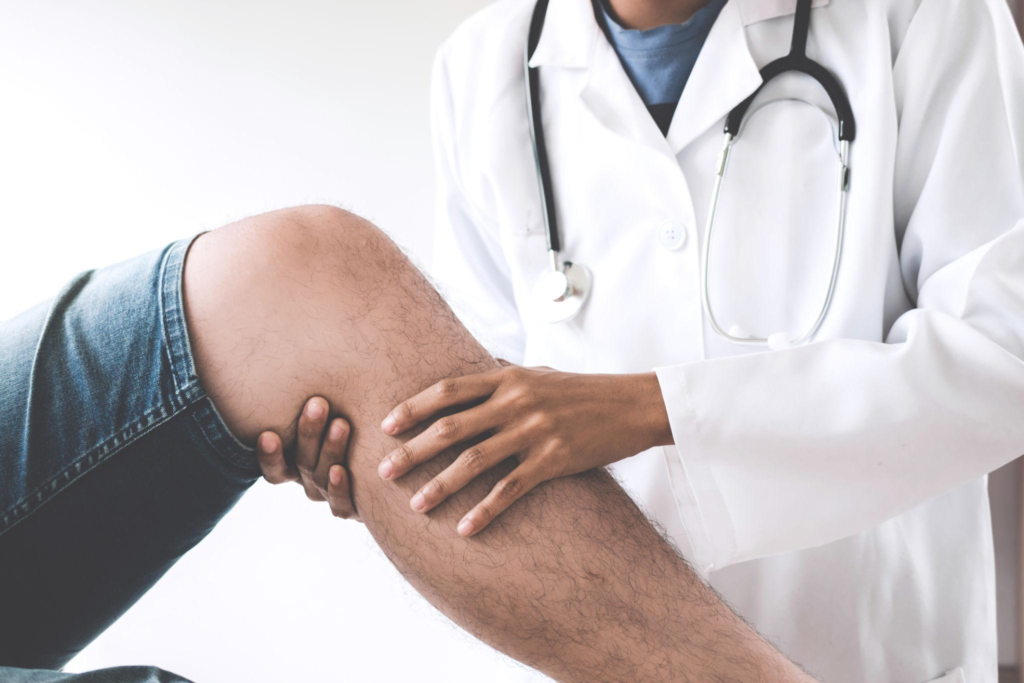
Many cases of knee pain improve with rest, exercise, stretching, and recovery strategies. However, some symptoms may indicate a more serious problem that should not be ignored.
The challenge is that people often continue walking, exercising, or delaying treatment even when warning signs are becoming worse. Ignoring serious symptoms may increase the risk of long-term joint damage, chronic pain, instability, or worsening mobility problems.
Understanding the difference between mild discomfort and potentially serious knee pain symptoms can help you decide when professional evaluation may be necessary.
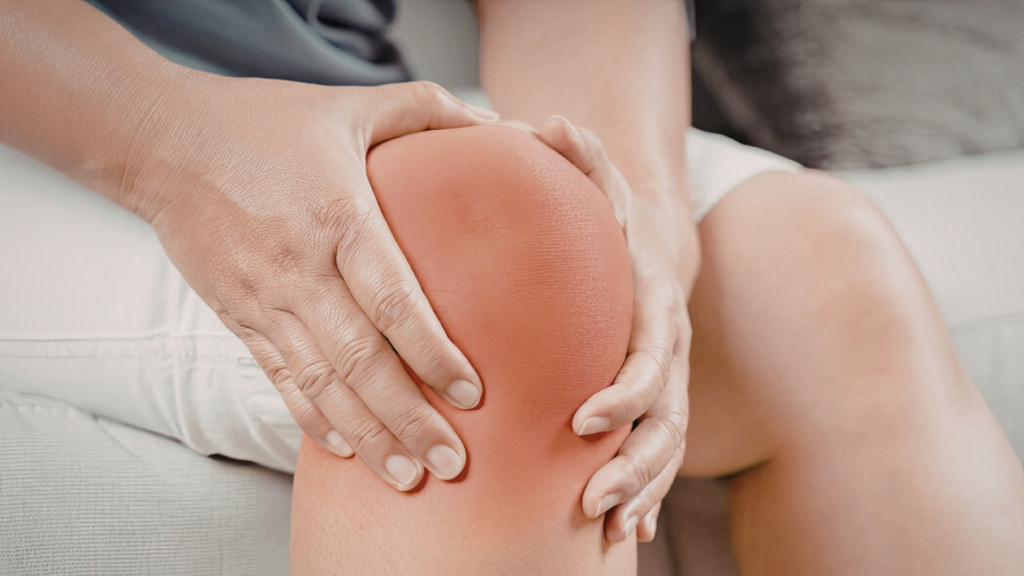
Severe Swelling
Swelling is one of the clearest warning signs that something inside the knee may be irritated or injured.
Serious swelling may appear:
- suddenly after activity
- after twisting the knee
- following an injury
- without a clear cause
The knee may feel:
- tight
- warm
- stiff
- difficult to bend
Severe swelling should not be ignored, especially if it limits movement or worsens quickly.
Read also: Why Does My Knee Hurt After Sitting?
Sharp or Sudden Pain
Mild soreness after activity is common, but sharp pain may indicate something more serious.
Sharp knee pain may occur:
- during twisting movements
- after sudden impacts
- while walking
- during exercise
Possible causes may include:
- ligament injuries
- cartilage damage
- tendon problems
- meniscus irritation
Pain that becomes intense suddenly often requires evaluation.
Knee Instability or Giving Out
If the knee feels unstable or gives out unexpectedly, this may indicate weakness or structural problems inside the joint.
Symptoms may include:
- buckling during walking
- difficulty supporting body weight
- loss of confidence during movement
- instability on stairs
This symptom increases the risk of falls and additional injuries.
Read also: Why Does My Knee Give Out?
Difficulty Walking
Knee pain that significantly interferes with walking should not be ignored.
Warning signs include:
- limping
- inability to bear weight
- severe discomfort during movement
- worsening pain with basic daily activities
These symptoms may indicate inflammation, instability, or more significant joint irritation.
Locking or Inability to Fully Bend the Knee
Some people experience episodes where the knee:
- locks
- catches during movement
- cannot fully straighten
- cannot fully bend comfortably
This may indicate irritation involving cartilage or structures inside the joint.
Persistent locking symptoms often require medical evaluation.
Pain That Continues Getting Worse
Pain that steadily worsens over time instead of improving may indicate an underlying issue that requires treatment.
This is especially important if symptoms continue despite:
- rest
- stretching
- exercise modification
- recovery strategies
Progressively worsening symptoms should not be ignored.
Redness and Warmth
If the knee becomes:
- red
- hot to the touch
- severely swollen
- painful even at rest
…this may indicate significant inflammation or infection.
Symptoms combined with fever should be evaluated quickly.
Pain That Disrupts Sleep
Knee pain that repeatedly interrupts sleep may indicate:
- inflammation
- arthritis flare-ups
- significant irritation
- chronic joint problems
Nighttime symptoms often become more noticeable when inflammation increases.
Read also: Knee Pain at Night: Causes and Simple Fixes
Severe Pain After Injury
Pain following:
- falls
- twisting injuries
- sports accidents
- sudden impacts
…may require professional evaluation, especially if swelling or instability develops quickly.
Numbness or Tingling
Some people experience:
- tingling
- numbness
- unusual sensations near the knee or leg
These symptoms may sometimes involve nerve irritation or related problems.
Common Causes of Serious Knee Pain
More serious knee symptoms may sometimes involve:
- ligament injuries
- arthritis
- cartilage irritation
- tendon problems
- inflammation
- structural joint damage
Proper diagnosis is important because treatment depends on the underlying cause.
Read also: Why Does My Knee Crack?
What You Should Avoid
If symptoms become severe, avoid:
- exercising through sharp pain
- ignoring swelling
- excessive impact activity
- sudden increases in exercise intensity
- delaying evaluation for worsening symptoms
Pushing through serious symptoms may worsen the problem.
Can Exercise Still Help?
In many cases, gentle movement and strengthening are still important during recovery.
However:
- exercise should feel controlled
- pain should not worsen significantly
- high-impact activity may need temporary reduction
Read also: Top Exercises for Knee Pain (Backed by Experts)
When Should You See a Doctor Immediately?
You should seek medical attention if:
- swelling becomes severe suddenly
- the knee feels unstable
- you cannot walk comfortably
- severe pain develops after injury
- the knee locks repeatedly
- symptoms continue worsening
Early treatment often improves recovery outcomes significantly.
Final Thoughts
Many cases of knee pain improve with proper recovery and movement strategies, but serious symptoms should never be ignored. Severe swelling, instability, sharp pain, locking, and difficulty walking may indicate problems that require professional evaluation.
Paying attention to warning signs early may help reduce long-term complications and improve overall knee health and mobility.