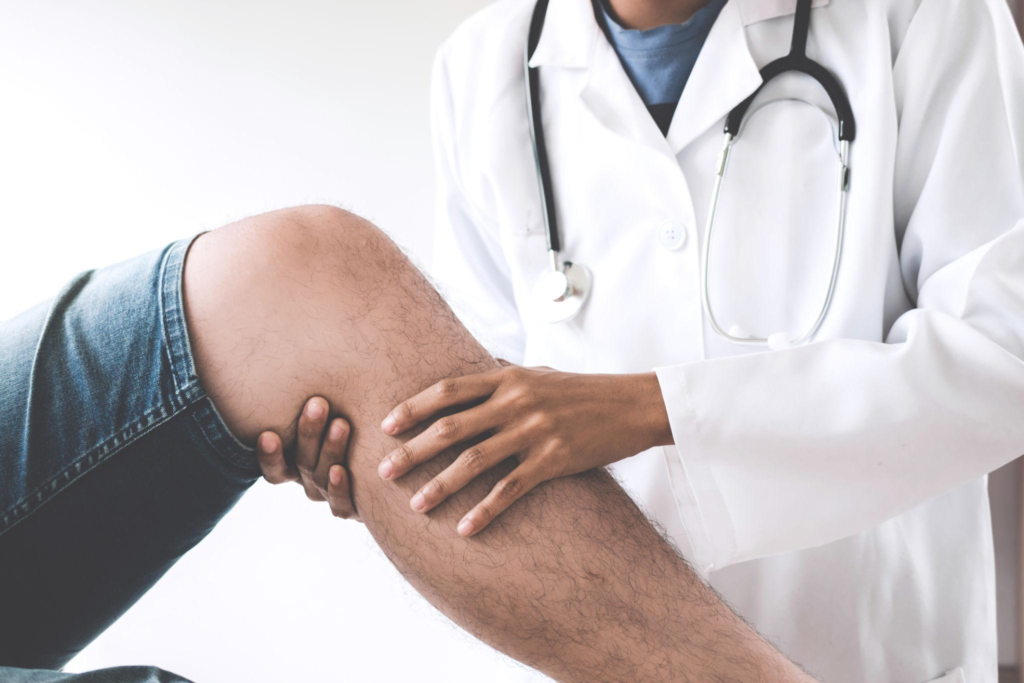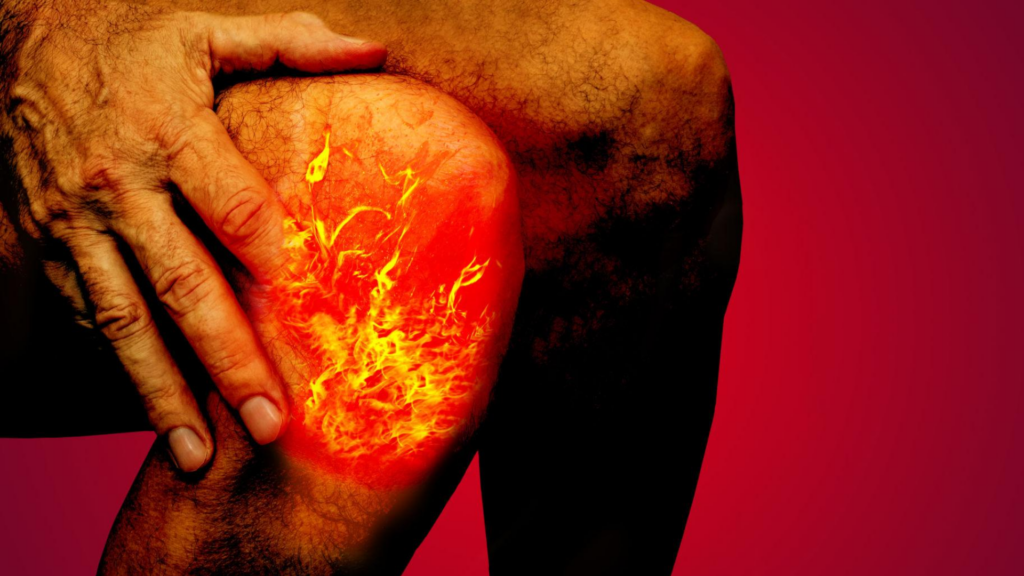
Knee pain and swelling without an obvious injury can feel confusing and concerning. Many people expect swelling to happen only after falls, sports injuries, or accidents, but the knee may sometimes become swollen and painful even when no clear injury occurred.
In many cases, swelling develops gradually because of inflammation, overuse, arthritis, irritation inside the joint, or fluid buildup around the knee. Some causes are mild and temporary, while others may require medical attention if symptoms continue worsening.
Understanding the possible reasons behind knee pain and swelling without injury may help you recognize warning signs and choose the right recovery approach.
Read also: Why Does My Knee Give Out?
Why Knees Swell Without Injury
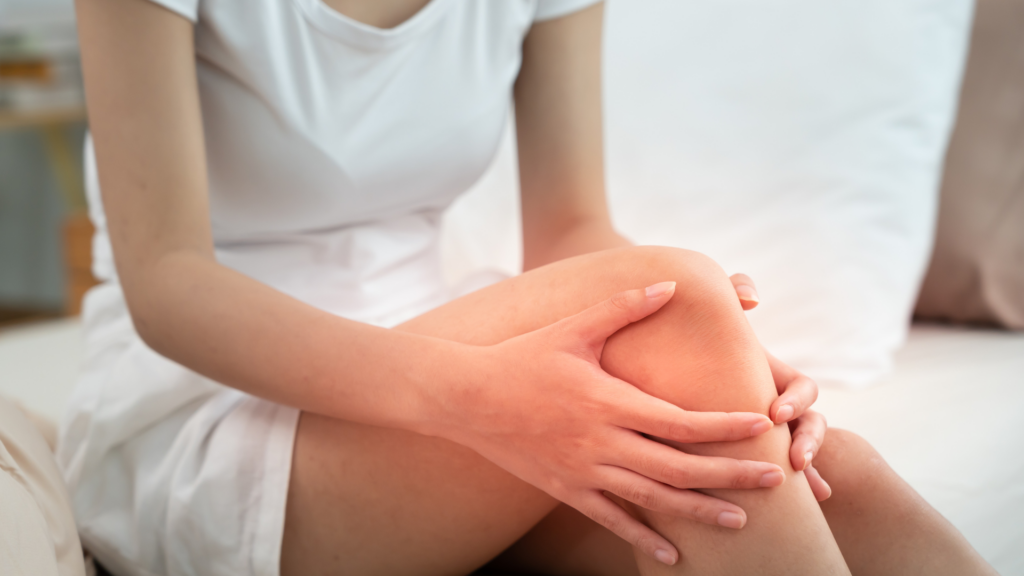
The knee joint contains fluid that helps support smooth movement and lubrication.
When irritation or inflammation develops, the body may produce extra fluid around the joint, leading to:
- swelling
- stiffness
- pressure sensations
- discomfort during movement
This process may happen even without a major injury.
Read also: Why Does My Knee Hurt After Sitting?
Arthritis and Joint Wear
One of the most common causes of knee swelling without injury is arthritis.
Arthritis-related swelling may develop gradually and often appears alongside:
- stiffness
- aching pain
- reduced flexibility
- discomfort after inactivity
Symptoms may worsen with:
- aging
- repetitive stress
- long periods of standing or walking
Overuse and Repetitive Stress
The knee may become irritated from repetitive movement over time.
Common triggers include:
- excessive walking
- running
- repetitive stair climbing
- physically demanding work
- intense exercise without enough recovery
Even without a sudden injury, repetitive stress may lead to inflammation and swelling.
Inflammation Inside the Joint
Inflammation may sometimes develop because the tissues inside the knee become irritated.
This may happen from:
- overtraining
- chronic joint stress
- mobility limitations
- arthritis flare-ups
Inflammation often contributes to:
- swelling
- warmth
- stiffness
- pain during movement
Fluid Buildup Around the Knee
Some people experience fluid accumulation around the knee joint, which may create:
- visible swelling
- tightness
- pressure sensations
- reduced range of motion
Swelling may become more noticeable after activity or prolonged standing.
Common Symptoms
People with knee pain and swelling without injury often experience:
- stiffness
- aching pain
- tightness around the knee
- difficulty bending the knee
- warmth around the joint
- discomfort while walking
Symptoms may gradually worsen if irritation continues.
When Swelling Becomes More Serious
Certain symptoms should not be ignored.
Warning signs include:
- severe swelling
- redness
- intense pain
- inability to bear weight
- fever
- instability
These symptoms may require medical evaluation.
Read also: Signs Your Knee Pain Is Serious
Rest and Activity Modification
Reducing activities that aggravate symptoms may help calm irritation.
Helpful adjustments may include:
- reducing repetitive impact activity
- limiting excessive stair use
- taking recovery days seriously
- temporarily avoiding painful movements
Complete inactivity is usually unnecessary unless symptoms become severe.
Ice Therapy for Swelling
Ice therapy may help:
- reduce inflammation
- calm irritation
- numb discomfort temporarily
Many people benefit from:
- 15 to 20 minute sessions
- several times daily if needed
Ice is often most useful after activity flare-ups.
Gentle Movement and Mobility
Completely avoiding movement for long periods may increase stiffness.
Gentle movement may help:
- improve circulation
- reduce stiffness
- support joint mobility
- improve flexibility
Helpful low-impact activities include:
- walking
- cycling
- stretching
- mobility exercises
Read also: Top Exercises for Knee Pain (Backed by Experts)
Can a Knee Brace Help?
Some people benefit from:
- compression sleeves
- supportive knee braces
- light compression support during activity
These products may help:
- improve stability
- reduce discomfort
- support confidence during movement
Read also: Best Knee Braces for Support and Pain Relief
Common Mistakes People Make
Many people unintentionally worsen swelling by:
- exercising through severe pain
- ignoring inflammation
- remaining inactive too long
- increasing activity too quickly
- avoiding recovery
Balanced movement and proper recovery usually produce better long-term outcomes.
When Should You See a Doctor?
You should consider medical evaluation if:
- swelling becomes severe
- pain worsens significantly
- the knee feels unstable
- walking becomes difficult
- symptoms continue for several weeks
Persistent swelling may indicate ongoing irritation or underlying joint problems.
Read also: When Should You See a Doctor for Knee Pain?
Final Thoughts
Knee pain and swelling without injury are often linked to inflammation, arthritis, overuse, repetitive stress, or fluid buildup inside the joint. While many cases improve with recovery, movement adjustments, and low-impact exercise, persistent or severe swelling should not be ignored.
Paying attention to symptoms early and reducing excessive stress on the knee may help improve comfort, mobility, and long-term joint health.