
Turmeric has become one of the most popular natural supplements for joint health and pain relief. Many people with knee pain use turmeric in hopes of reducing inflammation, improving mobility, and decreasing everyday discomfort without relying solely on medications.
The active compound in turmeric is called curcumin. This natural substance has been studied extensively for its anti-inflammatory properties and may help some individuals manage symptoms associated with arthritis and other joint conditions.
But does turmeric actually help knee pain, and is it worth adding to your daily routine?
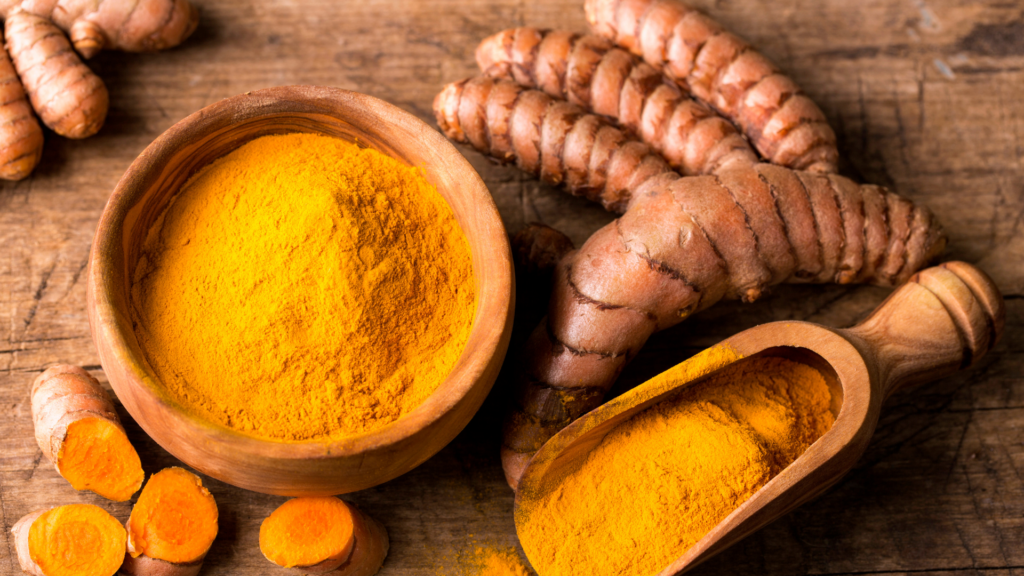
What Is Turmeric?
Turmeric is a yellow-orange spice commonly used in cooking and traditional medicine.
Its primary active ingredient, curcumin, has attracted scientific interest because of its potential anti-inflammatory and antioxidant effects.
Turmeric supplements are often marketed for:
- joint health
- arthritis support
- inflammation management
- mobility support
- overall wellness
Most research focuses on concentrated curcumin supplements rather than turmeric used as a cooking spice.
Why Inflammation Matters
Many common causes of knee pain involve some level of inflammation.
Examples include:
- osteoarthritis
- overuse injuries
- joint irritation
- chronic knee pain
- swelling-related discomfort
Reducing inflammation may help improve comfort and support better joint function over time.
What Does Research Say?
Research on turmeric and curcumin has produced encouraging results.
Several studies suggest that curcumin may help:
- reduce joint pain
- improve physical function
- decrease stiffness
- support mobility
Some studies have even compared curcumin to certain over-the-counter anti-inflammatory medications, although results vary between individuals.
While turmeric is not a cure, evidence suggests it may be helpful for some people dealing with chronic joint discomfort.
Turmeric and Knee Arthritis
Turmeric is most commonly studied in people with osteoarthritis.
People with knee arthritis often report symptoms such as:
- stiffness
- swelling
- aching pain
- reduced mobility
Some research suggests curcumin supplementation may help reduce these symptoms when used consistently.
Read also: Can Knee Pain Be Arthritis?
How Long Does Turmeric Take to Work?
Turmeric supplements do not usually provide immediate relief.
Many people need to use them consistently for:
- several weeks
- one to three months
Benefits, if they occur, tend to develop gradually over time.
This is similar to many other joint supplements.
Turmeric vs Glucosamine
These two supplements work differently.
Turmeric focuses primarily on inflammation, while glucosamine is commonly used to support cartilage and joint health.
Potential benefits of turmeric:
- anti-inflammatory support
- mobility support
- pain reduction
Potential benefits of glucosamine:
- cartilage support
- joint structure support
- long-term joint health
Many people use both supplements together.
Read also: Glucosamine Chondroitin for Knee Pain: Does It Work?
Choosing a Turmeric Supplement
Not all turmeric supplements are equal.
When comparing products, look for:
- curcumin content
- standardized extracts
- third-party testing
- reputable manufacturers
Many supplements also include black pepper extract (piperine), which may improve curcumin absorption.
Are There Any Side Effects?
Turmeric is generally well tolerated by most people.
Possible side effects may include:
- stomach discomfort
- digestive upset
- nausea
- medication interactions
People taking blood-thinning medications should speak with their healthcare provider before using turmeric supplements.
Read also: Vitamin D and Knee Pain: Is There a Connection?
Other Supplements That May Help
Turmeric is only one option among many supplements used for knee pain.
Other popular choices include:
- glucosamine
- chondroitin
- collagen
- omega-3 fatty acids
- MSM
- vitamin D
Different supplements may work better for different individuals.
Read also: Best Supplements for Knee Pain
Supplements Are Only Part of the Solution
Even the best supplement cannot replace healthy lifestyle habits.
Long-term knee health often depends on:
- maintaining a healthy weight
- strengthening surrounding muscles
- improving flexibility
- regular movement
- proper recovery
Supplements work best when combined with a broader approach to joint health.
Read also: Top Exercises for Knee Pain (Backed by Experts)
Common Mistakes People Make
Many people make the following mistakes when trying turmeric:
- expecting immediate results
- taking inconsistent doses
- buying low-quality supplements
- relying only on supplements
- ignoring exercise and mobility work
Patience and consistency are important when evaluating any supplement.
When Should You See a Doctor?
You should consider medical evaluation if:
- knee pain continues worsening
- swelling becomes severe
- mobility declines significantly
- walking becomes difficult
- symptoms interfere with daily activities
Persistent symptoms may require a proper diagnosis and treatment plan.
Read also: When Should You See a Doctor for Knee Pain?
Final Thoughts
Turmeric may help some people reduce knee pain, stiffness, and inflammation, particularly those dealing with arthritis-related symptoms. While results vary, research suggests curcumin has promising anti-inflammatory properties that may support joint health when used consistently.
For best results, turmeric should be viewed as one part of a complete knee health strategy that includes exercise, mobility work, healthy lifestyle habits, and appropriate medical care when needed.