
MSM, short for methylsulfonylmethane, is a popular supplement often included in joint health formulas. It is commonly marketed alongside glucosamine and chondroitin and is frequently used by people looking for natural ways to support mobility and reduce joint discomfort.
Although MSM is less well known than supplements like fish oil or turmeric, it has attracted attention because of its potential anti-inflammatory and antioxidant properties. Some research suggests it may help improve comfort and physical function in people experiencing joint pain.
But does MSM really work, and is it worth adding to your supplement routine?
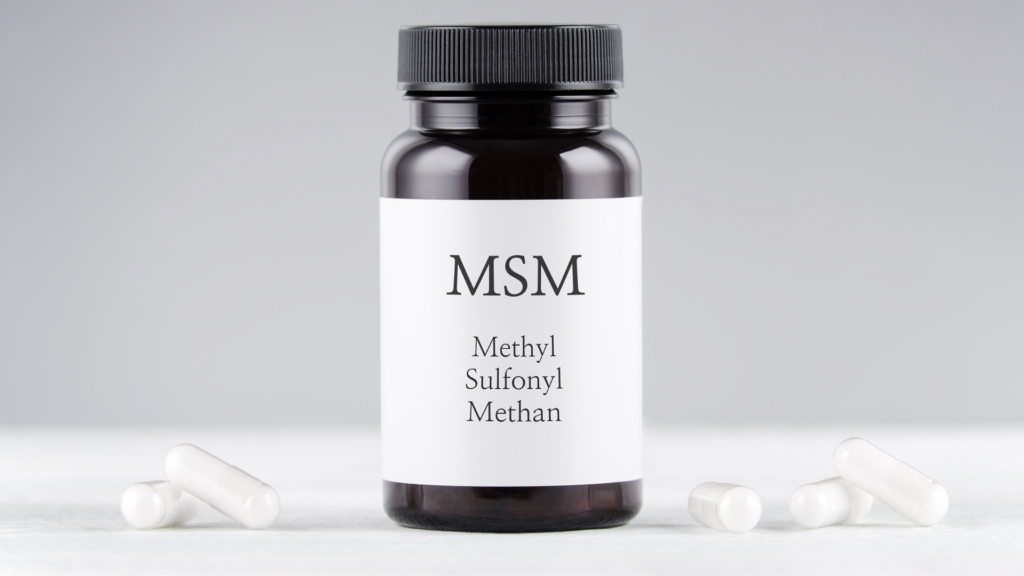
What Is MSM?
MSM is a naturally occurring sulfur-containing compound found in:
- fruits
- vegetables
- grains
- animal products
Sulfur plays an important role in the body and is involved in the structure of:
- connective tissues
- tendons
- ligaments
- cartilage
- muscles
Because of this, MSM has become a common ingredient in joint support supplements.
Why MSM May Help Joint Pain
Researchers believe MSM may help support joint health through several mechanisms.
Potential benefits include:
- supporting connective tissues
- reducing inflammation
- reducing oxidative stress
- improving mobility
- supporting recovery after exercise
These effects may contribute to improved comfort in some individuals.
What Does Research Say?
Studies on MSM have produced encouraging, although not definitive, results.
Some research suggests MSM may help:
- reduce joint pain
- improve physical function
- decrease stiffness
- support mobility
Benefits appear to be modest but meaningful for some users.
Potential Benefits of MSM
| Potential Benefit | Research Support |
|---|---|
| Reduced joint discomfort | Moderate |
| Improved mobility | Moderate |
| Reduced stiffness | Moderate |
| Reduced inflammation markers | Emerging |
| Cartilage repair | Limited evidence |
While the evidence is promising, larger studies are still needed.
MSM and Knee Arthritis
People with knee arthritis are among the most common users of MSM supplements.
Common arthritis symptoms include:
- stiffness
- swelling
- aching pain
- reduced mobility
- discomfort during activity
Some studies suggest MSM may help reduce symptom severity when used consistently.
Read also: Can Knee Pain Be Arthritis?
MSM vs Other Joint Supplements
MSM is often compared with other popular supplements.
| Supplement | Primary Focus |
|---|---|
| MSM | Joint comfort and inflammation support |
| Glucosamine | Cartilage support |
| Chondroitin | Joint structure support |
| Turmeric | Anti-inflammatory support |
| Omega-3 | Inflammation management |
| Collagen | Connective tissue support |
Many joint formulas combine multiple ingredients because they target different aspects of joint health.
Read also: Glucosamine Chondroitin for Knee Pain: Does It Work?
How Long Does MSM Take to Work?
Like most joint supplements, MSM requires consistency.
Many people use MSM for:
- 4 to 12 weeks
- several months
- ongoing joint support
Benefits typically develop gradually rather than immediately.
Is MSM Safe?
MSM is generally considered safe for most healthy adults.
Reported side effects are usually mild and may include:
- digestive discomfort
- bloating
- headache
- nausea
Most people tolerate MSM well when taken as directed.
Can MSM Be Combined With Other Supplements?
Yes. MSM is commonly combined with:
- glucosamine
- chondroitin
- collagen
- turmeric
- omega-3 supplements
Combination products are extremely common in the joint health market.
Read also: Best Supplements for Knee Pain
Supplements Are Only Part of the Solution
While MSM may help support joint health, supplements alone rarely solve chronic knee problems.
Long-term knee health often depends on:
- regular exercise
- maintaining a healthy weight
- improving mobility
- strengthening supporting muscles
- managing inflammation
Supplements work best when combined with healthy lifestyle habits.
Read also: Top Exercises for Knee Pain (Backed by Experts)
Common Mistakes People Make
Many people reduce their chances of success by:
- expecting immediate relief
- taking inconsistent doses
- stopping too early
- relying only on supplements
- ignoring exercise and recovery
Consistency and patience are important when evaluating MSM.
When Should You See a Doctor?
You should consider medical evaluation if:
- pain continues worsening
- swelling becomes severe
- mobility declines significantly
- walking becomes difficult
- symptoms interfere with daily activities
Persistent symptoms may indicate an underlying condition requiring professional treatment.
Read also: When Should You See a Doctor for Knee Pain?
Final Thoughts
MSM is a popular joint supplement that may help reduce discomfort, improve mobility, and support overall joint health. While research is still developing, current evidence suggests MSM may provide modest benefits for some people dealing with knee pain and arthritis-related symptoms.
For best results, MSM should be combined with exercise, mobility work, healthy lifestyle habits, and a broader approach to long-term knee health.