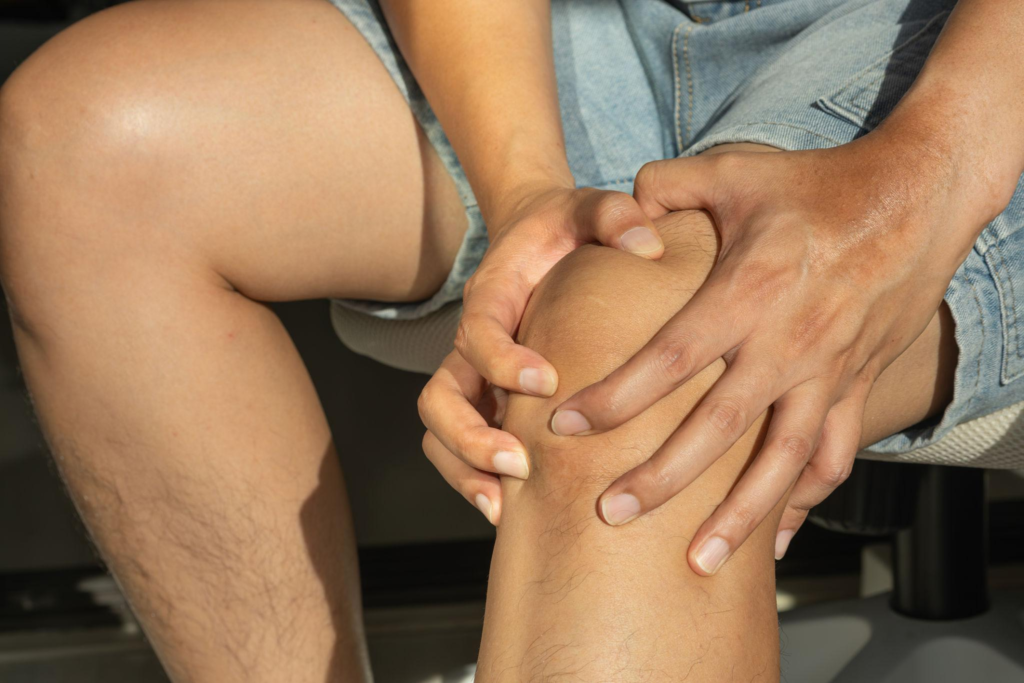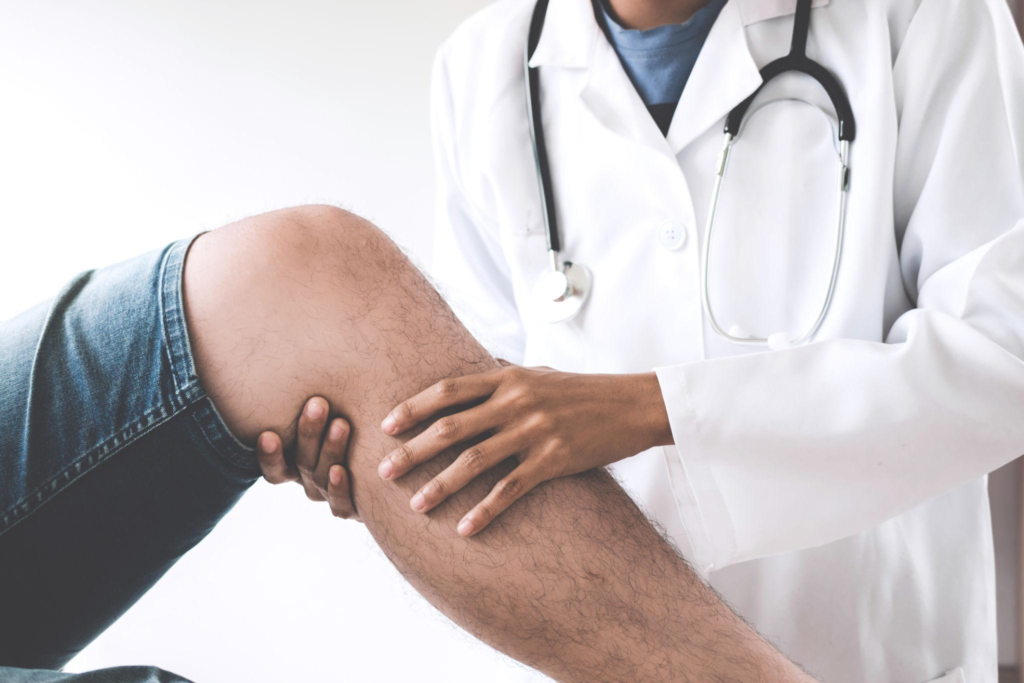
Back of knee pain can make walking, bending, squatting, and exercise uncomfortable. Some people experience a dull ache behind the knee, while others feel sharp pain during movement or stiffness after long periods of inactivity.
Pain behind the knee may develop gradually over time or appear suddenly after physical activity or repetitive movement. In many cases, the discomfort is linked to muscle tightness, overuse, tendon irritation, swelling, or joint-related problems.
The good news is that many cases improve with proper recovery, stretching, strengthening exercises, and movement adjustments. Understanding the possible causes can help reduce symptoms and prevent long-term irritation.
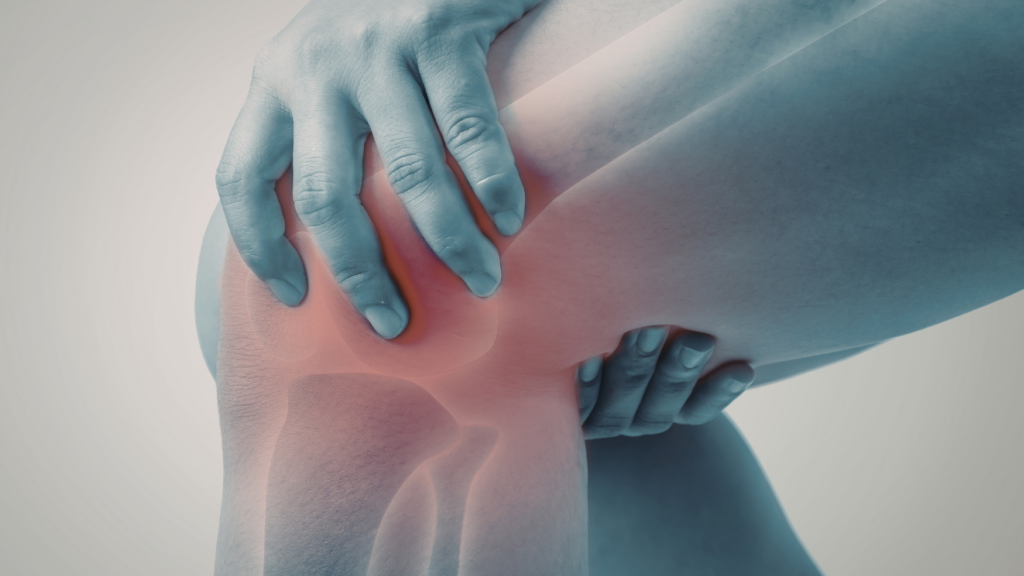
What Causes Back of Knee Pain?
Several muscles, tendons, and structures behind the knee may become irritated or overloaded.
Common causes include:
- overuse
- muscle tightness
- tendon irritation
- swelling
- repetitive bending
- arthritis
- joint inflammation
The exact location and type of pain often provide important clues.
Hamstring Tightness and Strain
The hamstrings run along the back of the thigh and connect near the knee joint.
Tight or irritated hamstrings may contribute to:
- pain behind the knee
- stiffness during movement
- discomfort while bending the leg
- soreness after activity
This is especially common in:
- runners
- active individuals
- people who sit for long periods
Tendon Irritation
Tendons behind the knee may become irritated from repetitive movement or excessive stress.
Common triggers include:
- running
- jumping
- repetitive bending
- overtraining
- physically demanding work
Symptoms may include:
- aching behind the knee
- tenderness
- pain during activity
- stiffness after exercise
Swelling Behind the Knee
Fluid buildup behind the knee may sometimes create:
- tightness
- pressure sensations
- discomfort while bending
- swelling behind the joint
This may occur alongside:
- arthritis
- inflammation
- joint irritation
Arthritis and Joint Wear
Back of knee pain may sometimes be linked to arthritis-related joint changes.
Common symptoms include:
- stiffness in the morning
- swelling
- aching during walking
- discomfort after inactivity
Arthritis-related symptoms often become more noticeable with age and repetitive joint stress.
Common Symptoms
People with back of knee pain often experience:
- aching behind the knee
- stiffness during bending
- pain while walking
- discomfort during squats
- tightness after inactivity
- swelling or pressure sensations
Symptoms may worsen with repetitive movement or prolonged activity.
Activities That Often Make It Worse
Certain movements commonly aggravate pain behind the knee.
These include:
- deep squats
- repetitive bending
- stair climbing
- running
- prolonged standing
Reducing stress temporarily often helps calm irritation.
Read also: Why Does My Knee Crack?
Rest and Activity Modification
One of the first treatment steps is reducing activities that aggravate symptoms.
Helpful adjustments may include:
- reducing repetitive bending
- limiting high-impact exercise
- taking recovery days more seriously
- temporarily avoiding painful movements
Complete inactivity is usually unnecessary unless symptoms become severe.
Ice and Heat Therapy
Ice therapy may help:
- reduce swelling
- calm inflammation
- numb discomfort temporarily
Heat therapy may help:
- reduce stiffness
- improve flexibility
- relax surrounding muscles
Read also: Ice vs Heat for Knee Pain: What Works Best?
Stretching and Mobility Work
Improving flexibility may reduce stress surrounding the knee.
Helpful areas to stretch include:
- hamstrings
- calves
- quadriceps
- hips
Mobility work may improve:
- flexibility
- movement quality
- knee function
Read also: Top Exercises for Knee Pain (Backed by Experts)
Strengthening Exercises
Weak surrounding muscles may contribute to ongoing stress around the knee joint.
Helpful strengthening exercises often include:
- glute bridges
- leg raises
- hamstring strengthening
- balance exercises
- controlled squats
Improving lower-body strength may help reduce pressure on the knee over time.
Can a Knee Brace Help?
Some people benefit from:
- compression sleeves
- supportive knee braces
- light compression support during activity
These products may help:
- improve support
- reduce discomfort during movement
- increase confidence while walking
Read also: Best Knee Braces for Support and Pain Relief
When Should You See a Doctor?
You should consider medical evaluation if:
- swelling becomes severe
- pain worsens significantly
- the knee feels unstable
- walking becomes difficult
- symptoms continue for several weeks
Read also: When Should You See a Doctor for Knee Pain?
Common Mistakes People Make
Many people unintentionally worsen back of knee pain by:
- training through pain
- ignoring tight muscles
- skipping mobility work
- increasing activity too quickly
- avoiding strengthening exercises completely
Addressing symptoms early often leads to better recovery outcomes.
Final Thoughts
Back of knee pain is commonly linked to overuse, muscle tightness, tendon irritation, swelling, and repetitive stress. While symptoms can become frustrating, many cases improve with proper recovery, stretching, strengthening, and movement adjustments.
Improving mobility and reducing excessive stress on the knee often helps support long-term joint comfort and movement quality.