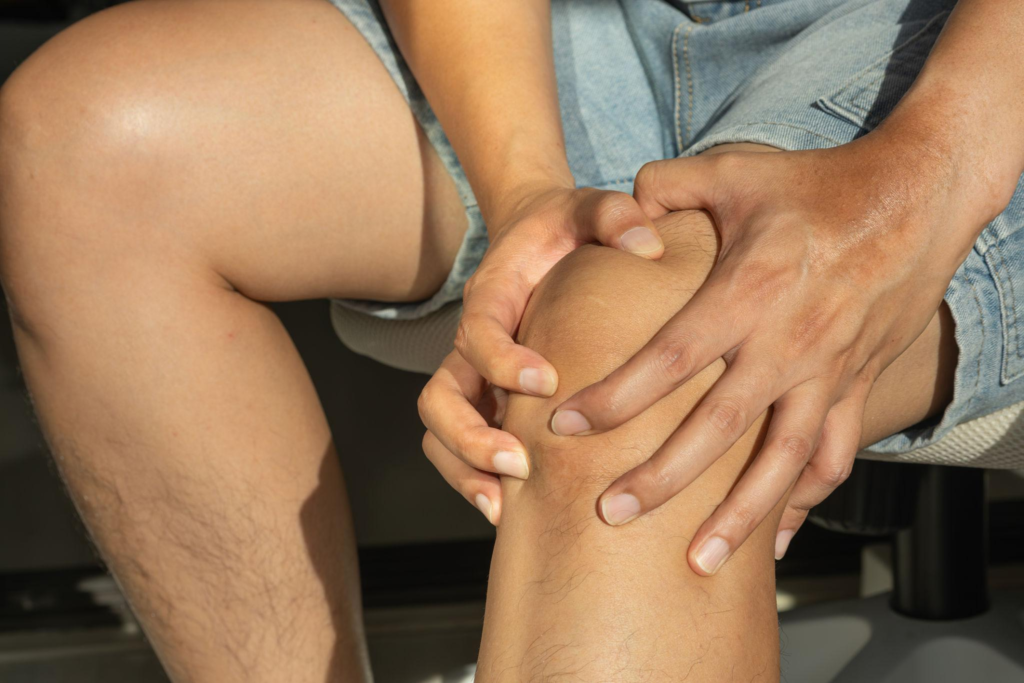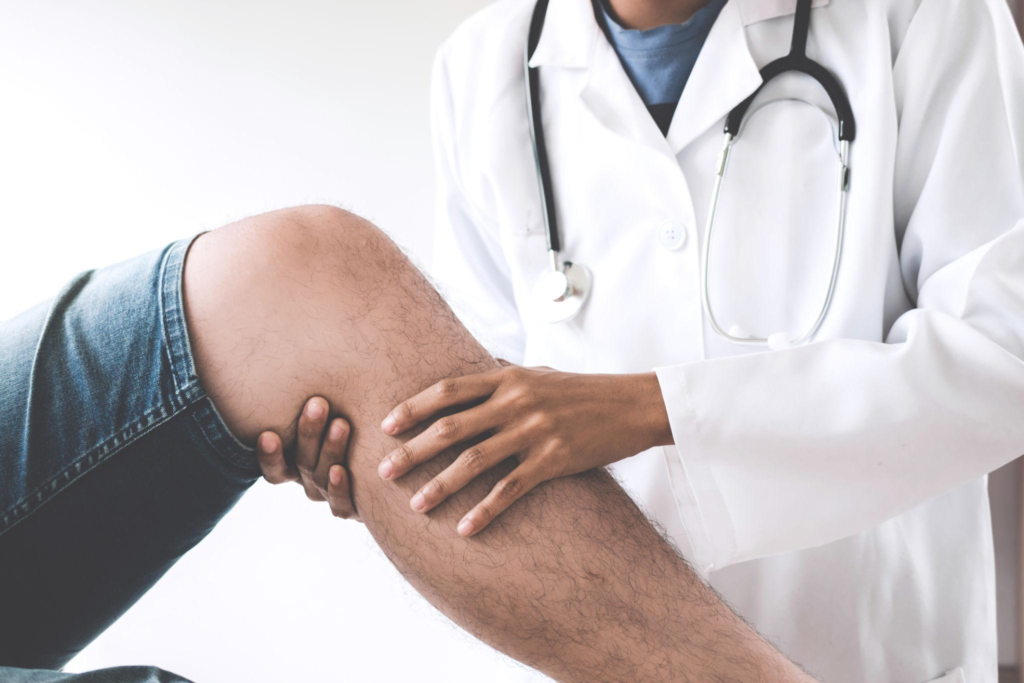
Pain below the kneecap is a common type of knee discomfort that often appears during exercise, running, jumping, stair climbing, or repetitive movement. Some people feel a dull ache below the knee, while others experience sharp pain during activity or after workouts.
This type of pain is frequently linked to tendon irritation, overuse, repetitive stress, or inflammation around the patellar tendon. Athletes, runners, gym-goers, and active individuals commonly experience this issue, especially when training intensity increases too quickly.
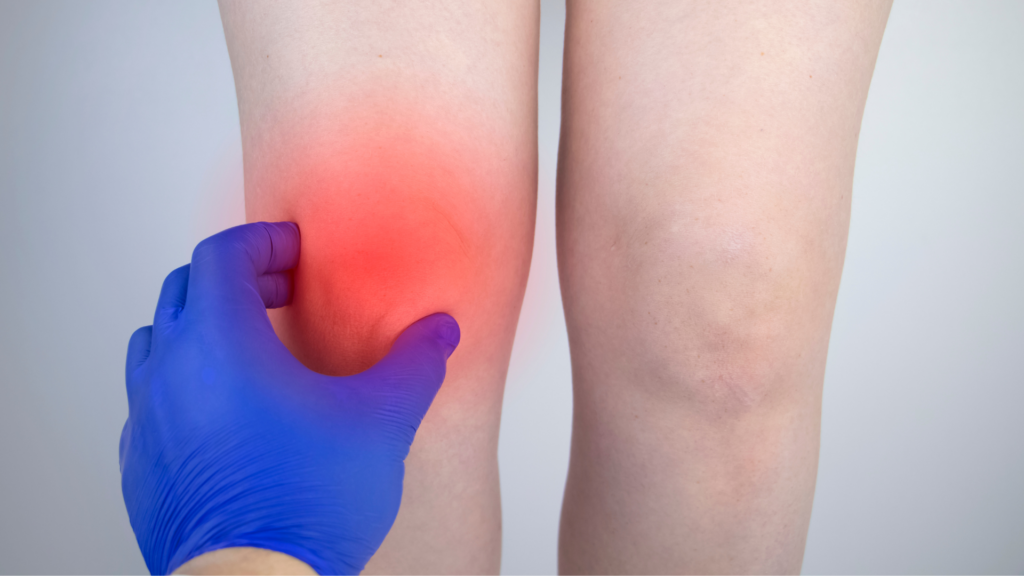
The good news is that many cases improve with proper recovery, stretching, strengthening exercises, and activity adjustments. Understanding the cause of the pain is an important first step toward reducing symptoms and preventing chronic irritation.
Read also: Pain Above the Kneecap: Causes and Relief
What Causes Pain Below the Kneecap?
Pain below the kneecap is commonly associated with irritation of the patellar tendon, which connects the kneecap to the shinbone.
Common causes include:
- overuse
- repetitive jumping
- running
- sports training
- tendon irritation
- muscle tightness
- poor recovery habits
In some cases, weakness and poor movement mechanics also contribute to ongoing symptoms.
Read also: Back of Knee Pain: Causes and Relief
Patellar Tendon Irritation
One of the most common causes of pain below the kneecap is patellar tendon irritation, often called jumper’s knee.
The patellar tendon helps control movement during:
- jumping
- running
- squatting
- climbing stairs
Repeated stress may lead to:
- inflammation
- tenderness below the kneecap
- stiffness
- pain during exercise
Symptoms often worsen with repetitive lower-body activity.
Overuse From Exercise
Pain below the kneecap commonly develops when training volume increases too quickly.
Examples include:
- sudden increases in running
- excessive jumping
- intense leg workouts
- repetitive stair climbing
- high-impact sports
Without proper recovery, the tendon and surrounding tissues may become irritated.
Muscle Tightness and Weakness
Tight muscles surrounding the knee may increase stress on the tendon.
Common problem areas include:
- quadriceps
- calves
- hamstrings
- hips
Weak glutes and poor lower-body mechanics may also increase pressure on the knee during movement.
Common Symptoms
People with pain below the kneecap often experience:
- tenderness below the kneecap
- pain during squats
- discomfort while running
- aching after exercise
- stiffness after inactivity
- pain while climbing stairs
Symptoms may gradually worsen if irritation continues.
Read also: Common Knee Pain Symptoms You Should Not Ignore
Activities That Often Make It Worse
Certain movements commonly aggravate symptoms.
These include:
- jumping
- running downhill
- deep squats
- lunges
- repetitive stair climbing
Reducing stress temporarily often helps calm irritation.
Rest and Activity Modification
One of the first treatment steps is reducing activities that overload the tendon.
Helpful adjustments may include:
- reducing running volume
- limiting jumping exercises
- taking recovery days seriously
- temporarily avoiding painful movements
Complete inactivity is usually unnecessary unless symptoms become severe.
Ice Therapy for Pain and Inflammation
Ice therapy may help:
- reduce irritation
- calm inflammation
- numb discomfort temporarily
Many people benefit from:
- 15 to 20-minute sessions
- several times per day if needed
Ice is especially useful after workouts or sports activity.
Stretching and Mobility Work
Improving flexibility may reduce tension around the knee.
Helpful areas to stretch include:
- quadriceps
- calves
- hamstrings
- hips
Mobility work may also improve:
- movement quality
- knee tracking
- flexibility
Read also: Top Exercises for Knee Pain (Backed by Experts)
Strengthening Exercises
Weak surrounding muscles often contribute to ongoing knee stress.
Helpful exercises may include:
- glute bridges
- step-ups
- controlled squats
- leg raises
- balance exercises
Strengthening the surrounding muscles may improve knee stability and reduce stress on the tendon over time.
Can a Patellar Strap Help?
Some people benefit from using:
- patellar straps
- compression sleeves
- supportive knee braces
These products may help:
- reduce discomfort during activity
- improve support
- reduce stress on the tendon
Read also: Best Knee Braces for Support and Pain Relief
When Should You See a Doctor?
You should consider medical evaluation if:
- swelling becomes severe
- pain worsens significantly
- walking becomes difficult
- symptoms continue for several weeks
- the knee feels unstable
Read also: When Should You See a Doctor for Knee Pain?
Common Mistakes People Make
Many people accidentally worsen pain below the kneecap by:
- training through pain
- increasing activity too quickly
- ignoring recovery
- skipping strengthening work
- avoiding mobility exercises completely
Addressing symptoms early often helps prevent chronic tendon irritation.
Final Thoughts
Pain below the kneecap is commonly linked to overuse, tendon irritation, repetitive stress, and muscle imbalances. While symptoms can become frustrating, many cases improve with proper recovery, stretching, strengthening, and activity adjustments.
Reducing excessive stress on the tendon while improving movement quality often leads to better long-term knee health.