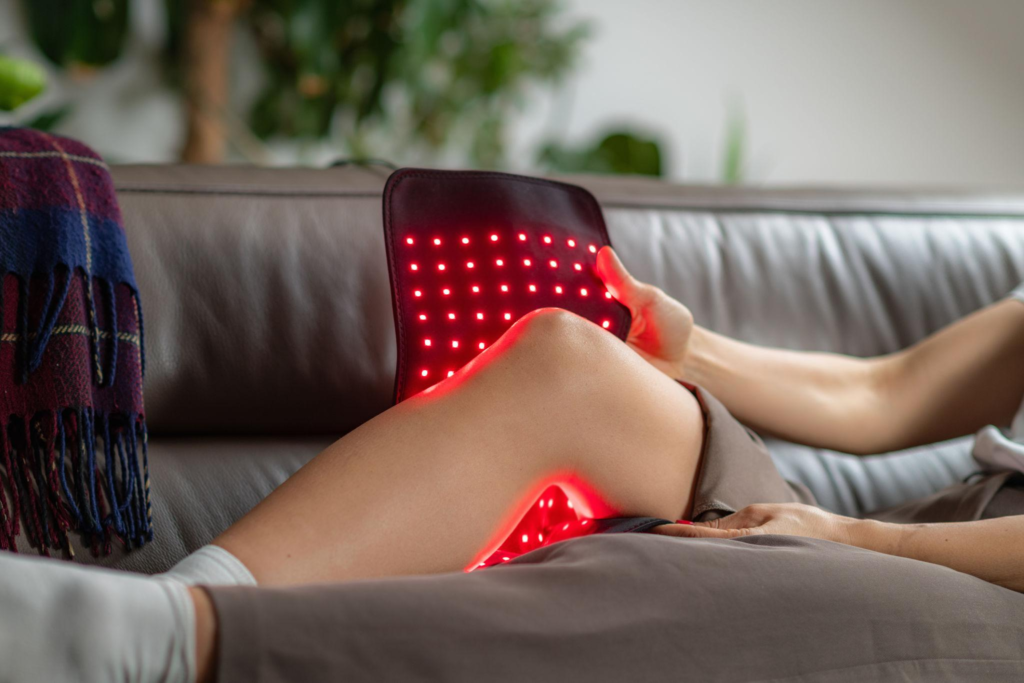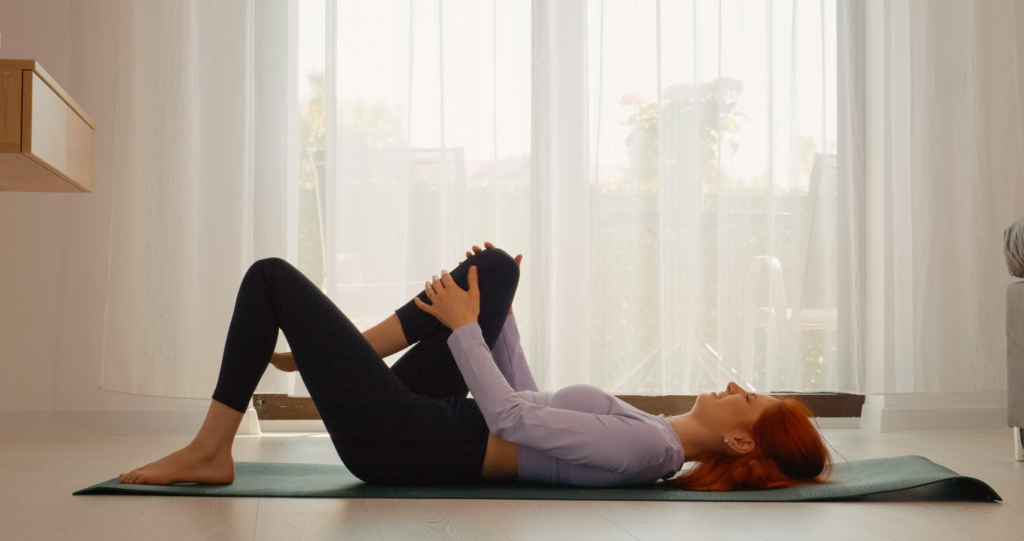
Getting quality sleep can become difficult when knee pain keeps waking you up at night or makes it uncomfortable to stay in one position for long periods. Many people notice that knee discomfort feels worse in bed, especially after a physically demanding day or long periods of inactivity.
The good news is that sleeping position can make a major difference. Small adjustments in posture, leg support, and pillow placement may help reduce pressure on the knees, improve alignment, and make sleeping more comfortable.
This guide explains the best sleeping positions for knee pain, common mistakes to avoid, and simple ways to improve comfort at night.

Why Knee Pain Gets Worse at Night
Knee pain often feels more noticeable at night for several reasons.
Common causes include:
- inflammation after activity
- stiffness from inactivity
- poor sleeping posture
- pressure on the joint
- arthritis-related discomfort
Some people also become more aware of pain at night because there are fewer distractions compared to daytime activities.
Read also: Knee Pain at Night: Causes and Simple Fixes
Sleeping on Your Back
Sleeping on your back is often considered one of the best positions for knee pain.
This position may help:
- reduce pressure on the knees
- improve alignment
- reduce twisting stress on the joint
For additional comfort:
- place a pillow under the knees
- keep legs relaxed
- avoid hyperextending the knees
The pillow slightly bends the knees and may reduce tension around the joint.
Sleeping on Your Side
Many people naturally prefer side sleeping.
This position can work well for knee pain if proper support is added.
Helpful adjustments include:
- placing a pillow between the knees
- keeping hips aligned
- avoiding twisting the top leg forward excessively
The pillow helps reduce direct pressure and keeps the knees in a more comfortable position.
Sleeping Positions to Avoid
Certain sleeping positions may worsen knee discomfort.
Common examples include:
- sleeping with knees tightly bent
- twisting the legs awkwardly
- stomach sleeping with bent knees
These positions may increase joint stress and stiffness.
Is Stomach Sleeping Bad for Knee Pain?
Stomach sleeping may place additional stress on the:
- knees
- hips
- lower back
For many people with chronic knee pain, this position becomes uncomfortable over time.
If stomach sleeping is difficult to avoid:
- try placing a thin pillow under the hips
- avoid bending one knee sharply outward
Can Pillows Help Knee Pain?
Yes. Pillow positioning is one of the easiest ways to improve sleeping comfort.
Helpful options include:
- a pillow under the knees for back sleepers
- a pillow between the knees for side sleepers
- leg elevation pillows for swelling
Small posture improvements can significantly reduce nighttime irritation.
Best Pillow Position for Knee Pain
Proper pillow placement can significantly improve comfort and reduce pressure on painful knees.
Different positions work best depending on how you sleep.
| Sleeping Position | Best Pillow Placement |
|---|---|
| Back sleeping | Under the knees |
| Side sleeping | Between the knees |
| Elevated legs | Under the calves |
| Swollen knees | Elevation pillow under both legs |
The goal is to maintain proper alignment and reduce stress on the knee joint.
Special leg elevation pillows may also help people with swelling or arthritis-related discomfort.
Side Sleeping vs Back Sleeping
Both side sleeping and back sleeping are generally considered knee-friendly positions, but each offers different advantages.
| Sleeping Position | Benefits | Drawbacks |
|---|---|---|
| Back sleeping | Reduces pressure, improves alignment | Some people find it uncomfortable |
| Side sleeping | Natural and comfortable for many people | Requires a pillow between the knees |
| Stomach sleeping | Few benefits for knee pain | May increase stress on the knees and hips |
Back sleeping often provides the best alignment, while side sleeping may feel more natural for many people.
The most important factor is maintaining support and avoiding awkward twisting of the legs.
How to Sleep With Arthritis Knee Pain
People with arthritis often experience worsening knee pain at night because stiffness and inflammation become more noticeable during periods of inactivity.
Helpful strategies include:
- sleeping on the back with a pillow under the knees
- placing a pillow between the knees when side sleeping
- using heat therapy before bed to reduce stiffness
- avoiding sleeping with the knees tightly bent
- performing gentle stretching before bedtime
Many people with arthritis find that small changes in sleeping posture significantly improve comfort and sleep quality.
Read also: Can Knee Pain Be Arthritis?
Should You Use Ice or Heat Before Bed?
Some people sleep better after using cold or heat therapy before bedtime.
Ice may help:
- reduce swelling
- calm inflammation
- numb pain temporarily
Heat may help:
- reduce stiffness
- relax muscles
- improve comfort before sleep
Read also: Ice vs Heat for Knee Pain: What Works Best?
Mattress and Sleep Surface Considerations
An unsupportive mattress may worsen joint discomfort.
A mattress that is:
- too soft
- too firm
- uneven
…may place extra stress on the knees and hips.
Supportive sleep surfaces often help improve overall alignment and pressure distribution.
Stretching Before Bed
Gentle stretching before sleep may help reduce stiffness and tightness.
Helpful areas to stretch include:
- hamstrings
- quadriceps
- calves
- hips
Light mobility work often improves comfort during the night.
Read also: What Is the Fastest Way to Relieve Knee Pain at Home?
Common Mistakes People Make
Many people unintentionally worsen nighttime knee pain by:
- sleeping without leg support
- remaining inactive all day
- using poor sleeping posture
- ignoring stiffness and mobility issues
- using heat on swollen knees
Small adjustments often produce noticeable improvements over time.
When to See a Doctor
You should consider medical evaluation if:
- pain becomes severe
- swelling increases significantly
- sleep disruption becomes frequent
- the knee feels unstable
- symptoms continue for several weeks
Read also: When Should You See a Doctor for Knee Pain?
Frequently Asked Questions
How should I sleep with knee pain?
Back sleeping with a pillow under the knees and side sleeping with a pillow between the knees are usually the most comfortable positions.
Where should I put a pillow for knee pain?
Back sleepers should place a pillow under their knees, while side sleepers should place one between their knees.
Is side sleeping or back sleeping better for knee pain?
Both positions are generally good. Back sleeping often provides the best alignment, while side sleeping may feel more comfortable for many people.
Can arthritis make knee pain worse at night?
Yes. Arthritis commonly causes stiffness and discomfort that become more noticeable during periods of inactivity.
Is stomach sleeping bad for knee pain?
For many people, stomach sleeping increases stress on the knees, hips, and lower back and may worsen symptoms.
Final Thoughts
The best sleeping position for knee pain is usually one that reduces pressure on the joint while maintaining proper alignment. Back sleeping with a pillow under the knees and side sleeping with a pillow between the legs are often the most comfortable options.
Simple adjustments such as better pillow support, gentle stretching, and improving sleep posture may help reduce discomfort significantly and improve sleep quality over time.